Anti-Perforation Warranty Explained for UK Car Buyers
An anti-perforation warranty is manufacturer cover for qualifying rust that eats through covered metal bodywork from the inside out. When I inspect a used car, a bubble in the paint or a rusty sill is a reason to find out where the corrosion started and what metal is affected. Whether a warranty will pay depends on the manufacturer’s wording, the cause, the vehicle’s age and the inspection history. I’d budget for the repair until a claim has been accepted in writing.
What an anti-perforation warranty covers
Perforation means the corrosion has gone through the metal. In a typical manufacturer warranty, the hole has to result from a defect in the covered bodywork and corrosion that began within the panel or structure specified in the terms. The visible spot can be smaller than the damage under paint or along a seam. A manufacturer or authorised repairer will need to establish the location and likely cause. A hole by itself gives me no assurance about how it started.
The panel list matters. For example, Kia UK’s terms list exterior sheet metal parts including doors, the bonnet, tailgate, sills and pillars. They exclude the exhaust and state other restrictions. A rusty subframe, brake pipe, exhaust or bracket can still be a serious repair or safety issue. Check the policy that applies to the vehicle and make a separate assessment of its condition if those components are corroded.
Paintwork, surface rust and corrosion from the inside
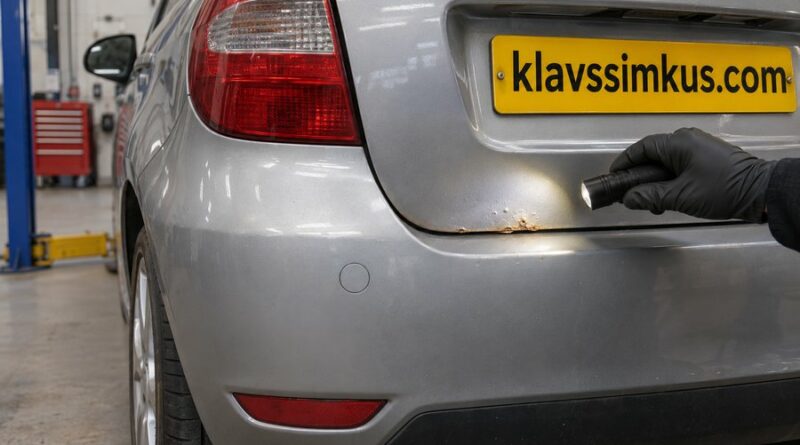
I look at the pattern before drawing a conclusion. A chip can expose bare metal and start rust spreading beneath the surrounding paint. Rust can also develop within a folded seam and show at the edge. A blister or brown stain on the surface is evidence of an issue to investigate. It takes more evidence to tell where it started, whether the metal is perforated and whether an earlier repair or external damage contributed.
Paint or bodywork cover may have its own terms and period. Some policies deal with a manufacturing defect in the finish, while anti-perforation terms usually apply to rust-through on eligible metal. At a viewing I look for overspray, mismatched colour, uneven gaps, disturbed fixings and differences in the seam sealer. If there’s a record of previous paint or accident work, ask the bodyshop what panels were repaired or changed. An independent assessment can help you understand what you are buying. The warranty provider decides whether the written terms apply to that repair.
How long the warranty lasts and what evidence you need
Read the warranty booklet for the car’s first registration date, market, body type and model. Citroën UK’s published warranty guide gives 12 years for a passenger car and five years for a commercial vehicle. It gives a separate period for paint cover. This difference matters if you are comparing a Berlingo MPV with a Berlingo Van or converted vehicle. My Berlingo buying guide explains how to identify the variant and what to look for on the body.
Kia’s current UK terms list 12 years with unlimited mileage for current models, transferable within the period, and require a check with a dealer or authorised repairer at 12- or 24-month intervals depending on the model. Other makes have their own intervals and conditions. An older car can have different terms from one sold today. If it was imported, get the manufacturer to confirm whether the original market’s cover applies in the UK. Ask for the history of body inspections and check which entries the manufacturer accepts as evidence.
A service stamp can show that a routine service took place. I look for a dated record that identifies the actual body or corrosion inspection if the policy requires one. If a check seems to be missing, ask the manufacturer how it affects the case. For other kinds of manufacturer and service-activated cover, see my Toyota extended warranty guide and check the specific terms for each type of cover.
Where I check for rust at a used car viewing
A dry vehicle in daylight makes it easier to see the paint and seams. I start low on the outside, look inside the door openings and around accessible areas in the boot, and compare the left and right sides. I’ll look underneath from safe access points. A workshop lift is useful when undertrays, cladding or access make it hard to see a suspect area. I’d ask to see records and photographs of any accident repairs, welding or replacement panels.
- Check the bottom edges and drain areas of the doors, bonnet and tailgate for lifting paint, staining and irregular sealant.
- Look at sills, jacking points and wheel arch lips for dents, damaged seams, thin paint or lifting underseal.
- Check around accessible floor edges and the spare wheel well for signs of water, corrosion or previous repairs.
- On a van or conversion, look around fitted equipment and added fixings. Check who installed it and what the warranty says about modifications.
- Ask about fresh coatings or a recent repaint if they cover an area you want to assess. Request photographs or invoices and get a closer inspection if you can’t judge the metal underneath.
The DVSA’s MOT corrosion guidance explains why the location and effect on the structure matter. I use the MOT history to look for repeat corrosion advisories and previous failures. An MOT pass is test evidence from a particular date. If there’s rust around seatbelt, suspension or other load-bearing mountings, have the structure assessed before driving or buying.
How I would handle a suspected rust-through claim
Take clear photographs first. Include the whole panel, the affected area close up and the surrounding seams or adjacent damage. Note when you first saw it. Collect the registration, VIN, dated body inspection records, service invoices and any previous panel repair invoice. Ask the manufacturer or authorised repairer how to book an assessment and whether they need to see the car in its current state before any remedial work. I’d keep copies of the correspondence and avoid scraping back a panel just to try to prove a claim.
Ask for a written decision that identifies the panel, the apparent cause and the relevant warranty term. If cover is accepted, confirm who is carrying out the work, what will be repaired or replaced and whether anything is chargeable. If it is declined, ask for the reason and check whether a bodyshop can give you an itemised repair quote. Depending on access and condition, it may include dismantling, replacement panels or welding, corrosion protection, seam sealing and paint blending. Compare quotes for the same scope of work.
If you bought the car from a trader and believe it had a fault at sale, contact the trader early. The manufacturer warranty and your rights against the seller are separate. What you can ask for depends on the circumstances, including the age and condition of the vehicle and how it was sold. See Citizens Advice’s used car guidance and choose the advice for where you live. Keep the advert, invoice and inspection findings, and speak to the seller before authorising work elsewhere if you intend to ask them to put it right.
Questions to ask about corrosion on a repaired car
Imagine two cars with bubbling on the same edge of the tailgate. One has an invoice for a replacement tailgate after a collision and rust starting next to a chip. The other has a clean outer surface apart from the seam and a record of the required checks. I’d ask different questions about each. For the repaired car I’d contact the bodyshop or insurer about any guarantee on its work. For the other I’d ask the manufacturer to assess whether corrosion started inside a covered original panel. On both, I’d check what the repair would cost and whether it extends to adjacent metal.
Documentation matters if a used car has changed hands more than once. Ask whether the warranty follows the car, whether an owner change needs recording and which inspection records the dealer can retrieve. If a repair was done under a previous claim, get details of the work and ask what cover applies to the repaired area now. I’d ask the seller to share enough paperwork to confirm the dates and work, with irrelevant personal details removed.
Should I buy a car with visible rust and warranty left?
I decide based on the rust I can see, the areas I can’t assess and the written evidence the seller can supply. If the seller says the repair is covered, ask for the manufacturer’s acceptance and scope of the work to be confirmed before you pay. If confirmation is pending, get a bodyshop estimate and decide what you would pay if you had to fund it. I would take an unexplained structural concern out of the buying decision until a competent workshop has assessed it.
Where the metal is sound, keep the drain openings clear and follow the manufacturer’s paint care and inspection instructions. Get damage addressed before it spreads and keep the invoices. If a potential purchase has bubbling paint, damaged seams or signs of welding, an independent vehicle inspection can help identify visible corrosion and determine whether it needs a lift or bodyshop assessment. Tell the person inspecting it which areas concern you and share any warranty or repair history the seller has provided.