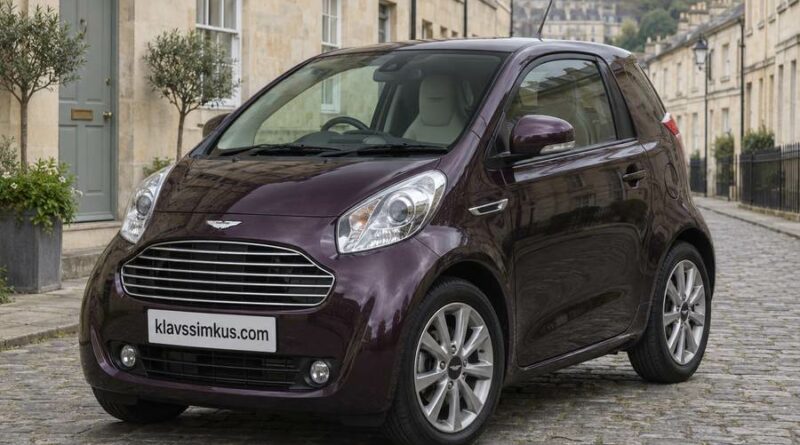
Aston Martin Cygnet Problems and Used Buying Guide
When I check a used Aston Martin Cygnet, I spend as much time on the body and original trim as I do on the engine. The 1.33-litre Toyota-derived petrol engine is familiar, but the Aston-specific panels, lights and interior are a different proposition when something needs replacing. If you’re looking up Aston Martin Cygnet problems before a viewing, I’d put the cold start, gearbox behaviour, previous body repairs and availability of replacement parts at the top of the list.
The Cygnet is old enough for straightforward wear and long periods in storage to matter. I treat the symptoms in this guide as checks to make on the car in front of me. A fault code, a noise or a low odometer reading needs to be read alongside the condition of the car and the paperwork.
Which Aston Martin Cygnet are you buying?
Aston Martin lists the standard Cygnet from 2011 to 2013 with a 97 bhp, four-cylinder 1.33-litre Dual VVT-i petrol engine, front-wheel drive and a six-speed manual or optional continuously variable transmission, known as a CVT. It shares its foundations with the Toyota iQ and has four seats. The Gaydon-built car could be ordered in a wide range of combinations, so I use the build specification to check what should be on an individual example.
Ask for the registration, vehicle identification number (VIN), transmission and the seller’s description of its paint and trim before travelling. If something is advertised as original or a special edition, ask for an invoice, build sheet or confirmation from the manufacturer. The premium for an unusual specification only makes sense to me if I can verify it and the condition justifies it.
Cold start, oil leaks and cooling checks
Ask the seller to leave the engine cold until you arrive. With permission, look at the dipstick on level ground and look at the coolant level with the engine cold. Check around the engine, radiator area and underneath where access allows. A clean engine bay can make seepage harder to spot, so I look again after the drive and ask about anything that appears freshly cleaned or disturbed.
When it starts, I listen for prolonged rattling and watch for an uneven idle, persistent smoke or warning lights. Aston Martin specifies a chain-driven engine. A rattle alone gives me a reason to set up a proper diagnosis. If it misfires, I want the stored codes, the conditions when they appeared and the technician’s test results before pricing coils, plugs or an internal engine repair. I’d ask about any regular oil or coolant top-ups and whether someone measured consumption between services.
On the road I look for a steady temperature, a consistent heater and normal power delivery. Have a technician investigate coolant loss, overheating or a warning light before you buy. Ask about recent cooling work and check the invoices for what was changed. A radiator replacement makes sense to me only when I know why the old one failed and whether any underlying problem was dealt with.
Cygnet manual clutch and CVT checks
In a manual Cygnet, I try the forward gears and reverse from cold, then repeat the check once it’s warm. I pay attention to an awkward gear engagement, clutch judder when pulling away and a rise in engine speed out of proportion to road speed under moderate load. The pedal and linkage can influence how a gear feels. I’d ask a specialist to identify the source before agreeing to a clutch or gearbox bill.
A CVT can hold engine speed while the car gathers pace. I test for prompt engagement when selecting Drive and Reverse, smooth low-speed progress and consistent acceleration once warm. I’m interested in an extended pause, repeating shudder or warning message I can reproduce. Check for leaks and ask for service evidence, including the fluid specification if the transmission has been worked on. A technician who can read transmission faults and verify compatibility by VIN is worth involving before you commit to a used automatic with an unexplained symptom.
Suspension noises, brakes and urban wear
Short urban trips and parking manoeuvres can leave their mark. I look at all four wheels for impacts or distortion, then compare the tyre make, size, condition and wear across each axle. Check the inner edges where visible. A damaged rim alongside uneven wear is a reason to have the wheel, alignment and suspension checked together. On a quiet stretch of road I listen for a repeated knock over small bumps and feel for pulling or vibration.
A low-mileage car that sat through long winters can still have corrosion on brake discs or a sticking brake. I check the disc faces where visible, ask how often it has been driven and compare the MOT history with invoices. Make sure the vehicle is safe and insured before a road test. If braking is poor, a warning light is on or the steering feels unsafe, I’d arrange a workshop inspection before driving any further.
Aston-specific bodywork and the leather interior
Walk around the Cygnet in daylight. Compare panel gaps and paint texture, then look inside the door openings and the tailgate for overspray, masking lines or disturbed fixings. I pay particular attention to the front grille, lights, bumpers and side trim. A scrape with broken brackets behind it can require far more work than a polish, especially if the replacement part needs to be sourced and a custom colour matched.
I ask for photographs and invoices for previous repairs. An invoice that identifies the damaged parts, how they were repaired and which parts were replaced helps me assess workmanship. If the history is unclear or the gaps are uneven, I’d have the underlying mounts and structure checked before valuing it. I also look underneath the edges of the car for kerb contact and check for damp in the luggage area or under the mats where I can do so without dismantling anything.
Inside, run your hand across the seat bolsters and check the condition of the stitching and the leather on the doors and dashboard. Check how the front seats tip and slide for rear access, and try the seats and belts you intend to use. On a bespoke trim, I ask an experienced trimmer whether a small repair can be matched and what it would take to replace a damaged section. Check both keys, locking, windows, mirrors, lights, heating and air conditioning. After storage, a weak 12-volt battery can complicate diagnosis. I’d ask for a battery and charging-system test if the car starts slowly or shows several unrelated electrical symptoms.
Service history, recalls and repair costs
Start with the GOV.UK MOT history. Compare the mileage with invoices and look for advisories that recur, especially tyres, brakes, leaks or suspension wear. I ask to see the invoice for the work the seller says resolved a defect. Use the official recall service and ask Aston Martin about outstanding campaigns on that VIN. The shared Toyota components are useful background when researching parts, and the specific car’s manufacturer and identifiers are what I’d use to check campaign applicability.
I avoid estimating a Cygnet repair from a fault description alone. An oil leak can be straightforward to trace or require substantial access. A parking scrape can be easy paintwork or need trim and mounting parts. Two garages can quote different jobs in response to the same photo, so get the diagnosis in writing before comparing the figures. Ask for part numbers, labour, paint or trim work, VAT, availability and the expected turnaround. Aston Martin’s servicing information is a starting point for finding an official centre. A specialist with Cygnet experience can also help you price the route that fits the car.
- For routine mechanical work, ask whether the quoted part is confirmed to fit that VIN. A component that looks the same in an iQ catalogue still needs checking.
- For transmission concerns, agree a diagnosis first and ask what evidence supports the proposed work.
- For collision damage or a bespoke interior, get a repair quote from a workshop equipped to match the finish and source the parts.
- For a car with little recent use, ask about batteries, tyres and fluids and establish what is already due by age.
- For work the seller has agreed to do, ask for the invoice and recheck the result before payment.
My final checks before paying for a Cygnet
I’d buy on the combination of clean provenance, documented care and a drive that feels right. Compare the VIN on the car with the V5C and the service invoices. Ask the seller to confirm the mileage, keys and agreed repairs in writing. My used Toyota buying checklist explains how I read service and inspection evidence on cars with related mechanical components. For a Cygnet, I’d add a separate check for paint, trim and parts availability before settling on a price.
If the car is far away or previous bodywork or gearbox behaviour is difficult to assess, book an independent vehicle inspection before committing. Show the person inspecting it the advert, repair history and any fault the seller has mentioned. Ask what they can check on site and what may need a workshop. I’d rather know that a bespoke part has a long lead time or an intermittent issue still needs diagnosis while I can decide what to pay.