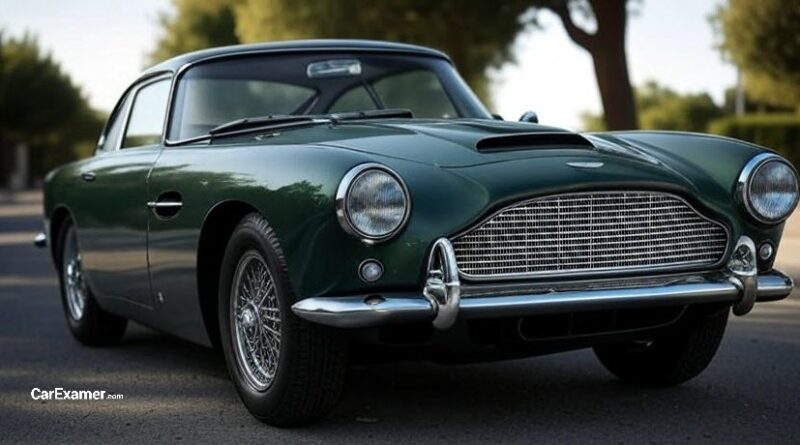
Aston Martin DB4 Problems and Classic Car Buying Checks
The Aston Martin DB4 problems I would look for first are corrosion in the structure, poorly documented restoration work and a mechanical fault that has been priced as a simple tune-up. The car can look excellent under showroom lights while the platform chassis or tubular frame still needs attention. Start with the identity and specification. Then inspect the car on a lift with someone who knows how the DB4 was built.
I would ask for the build information, the last workshop invoice and photographs from any major restoration before travelling. Those records tell me where to concentrate during the viewing. If the advert puts a premium on originality, a particular series or a competition history, ask what documents support it and which parts are still on the car.
Establish which DB4 you are looking at
Aston Martin introduced the DB4 in 1958. The company’s DB4 and DB4 Convertible history describes the original 3.7-litre twin-cam straight-six, the Touring Superleggera body design and changes across the production series. It also identifies a four-speed manual with optional overdrive and an optional three-speed Borg-Warner automatic. Check the actual build and evidence of any conversion before assessing how the car should drive.
A period DB4, an original DB4 GT and a later recreation or factory Continuation can command different attention from a buyer. Aston Martin Works describes the DB4 GT Continuation as a later track-only series. Ask when the chassis was made, how the car left the factory and what has changed since. Do not assume a GT-style body or specification establishes the original identity. If you collect newer Astons as well, my Valkyrie buying guide discusses how I would make the same distinction between road, track and upgraded versions on a modern car.
Where I would look for structural corrosion
Aston Martin describes aluminium body panels attached to a tubular frame on a platform chassis. That combination makes it important to distinguish outer-panel condition from the condition of the supporting structures. Paint that looks fresh and correctly aligned in photographs tells me little about what lies behind the sill or underneath its trim. I would ask the specialist to check the platform, sills, floors and accessible mounting points on a lift, as well as any accessible areas where the body meets the frame.
Look for inconsistency between sides, evidence of old welding and unexplained changes in the fit of doors, bonnet or boot. Moving panels may have been adjusted for several reasons. If there is bubbling around seams or new underseal, ask what is beneath it and request pictures of the metal before finishing. Surface oxidation, a corroded support and a poorly repaired load-bearing section affect the purchase in different ways. Have the specialist explain what can be seen without removing trim and what needs further access.
Aston Martin Works’ restoration information describes separate work on the chassis and hand-formed aluminium panels. If a seller describes a complete restoration, I would check what was actually stripped, repaired or replaced, and by whom. Dated photographs showing the exposed structure and invoices specifying the work often tell me more than a photograph of the completed car.
Straight-six, carburettors and cooling
Ask for the first start from cold and have the owner describe the starting routine. Observe how the engine settles, what the gauges indicate and whether smoke or a misfire persists. An uneven idle can have several causes, including ignition, fuel supply and the carburettors. If there is a symptom, record when it appears and whether it changes as the car warms up. I would have the workshop assess the basic condition before accepting an explanation such as ‘the carbs just need balancing’.
Look for coolant staining around accessible joints and hoses. Watch the temperature during a suitable demonstration and ask whether the car has needed topping up or has overheated. Ask what was replaced if it has a rebuilt radiator, a different fan arrangement or recent cooling work. Avoid opening a hot system. If the workshop has reason to investigate further, ask what a cooling pressure test, compression test or other checks can establish on that car. Agree how findings will be documented before using them to value the engine.
An invoice for a rebuild should say what was done, when and to which engine. Ask what parts were replaced or machined and whether there is a record of work since. A car that has barely been used after restoration may still have bedding-in and follow-up work due. Check the restorer’s instructions and how the owner has kept the car ready for use during storage.
Gearbox, steering and brakes
On a manual, assess clutch take-up and ordinary changes from cold and warm. If fitted, ask the owner to demonstrate the overdrive where safe and suitable. A delay or noise needs recording in context. On an automatic, note how it selects forward and reverse and how it changes gear as it warms. Confirm whether the transmission is original to the car or a later replacement and find out why that matters to you. On a modified car, check who can supply parts for the current arrangement.
For the brakes, Aston Martin’s model history lists servo-assisted Dunlop discs at the front and rear. Check which components are fitted to the car now, especially if it has been modified. Inspect accessible pipes, hoses, calipers and the handbrake system, and check for a pull or poor response only when safe to drive. If there is a hydraulic leak or a significant braking concern, arrange diagnosis before a road test. Have the steering and suspension checked for play, damaged mountings and previous repair work. A qualified workshop can distinguish wear from the normal characteristics of the design.
Electrical equipment, trim and evidence of regular use
Test the lighting, gauges, wipers and heater, and ask about charging issues after storage. Check the wiring that is visible without disturbing trim. A recently fitted alternator or loom can be a worthwhile improvement when it has been documented and installed well. Look for dated wiring work, an explanation of added equipment and a clear record of how faults were resolved. Keep an eye out for damp under carpets and in the boot, particularly where water can get to electrical connections or structural areas.
Original trim, switches and fittings can affect the cost and scope of a restoration. Check what comes with the car, including any original parts removed during upgrades. On a convertible, see the hood operate and inspect the fitting around the windows and frame. If the car has spent years in storage, find out when it last covered meaningful miles and what checks were done before it returned to the road.
UK paperwork, MOT and the final offer
For a classic car in Great Britain, historical status depends on more than age. Read the current Department for Transport MOT exemption criteria and confirm eligibility for the individual car, particularly after changes to major components. The car must still be roadworthy. I would check the V5C and available records, including earlier registration documents for an import or a car that changed specification. If there is a discrepancy, establish what was changed and when before completing the purchase.
- Put the structural report first. Agree lift access and what areas can be inspected. An estimate based on surface photographs can change once the structure is exposed.
- Price known jobs from current quotes. Ask who can do the work and whether parts, VAT, transport and further assessment are included.
- Reconcile the identities. Compare chassis and engine details with the build record and invoices. Get evidence for any claim of matching numbers or a rare original specification.
- Record what comes with the car. Include the documents, parts and equipment that matter to the price, and agree how any remaining uncertainty will affect the offer.
If you want a vehicle inspection, send the advert and restoration history first, and arrange a separate heritage workshop assessment where the purchase depends on the structure, originality or engine condition. I would make the deal conditional on the checks that matter to the price. When the paperwork, lift inspection and driving behaviour tell the same story, you have a much better basis for buying a DB4.
How I would compare two restored DB4s
If two cars both have a recent restoration, I would compare the work rather than the dates. On one, the invoices might show a stripped chassis, photographed repairs and a tracked schedule of work. On the other, the new trim and paint may account for most of the bill. Both can suit the right buyer. Ask which items are supported by invoices, which restoration choices were made for originality or usability, and which work was deferred. The seller may have earlier photographs or reports that fill a gap.
I would also speak to the workshop expected to maintain the car after the sale. Share the record of any conversion or previous structural work and ask whether it needs another assessment. A realistic first-year plan should cover storage, collection, servicing and any use you already have in mind. That way the offer accounts for the condition you can verify.
If you are comparing the DB4 with its successor, my Aston Martin DB5 buying guide covers the later car’s gearbox choices, chassis inspection and the records I would look for in a restoration file.