Buying a Classic Car in the UK: A Professional Car Inspector’s Guide
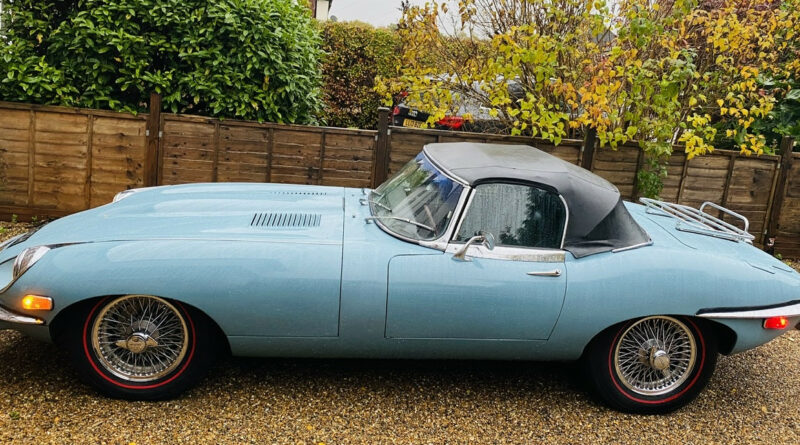
Buying a classic car can be exciting. Whether it’s a Jaguar E-Type, an MGB, a classic Mini or an older Mercedes-Benz, there’s something appealing about owning a car from another era.
However, as a professional car inspector, I would approach buying a classic car very differently from buying a modern used vehicle.
The classic car market can be seriously overpriced. Many vehicles are advertised as immaculate, fully restored or in excellent condition when the reality is quite different. Fresh paintwork, a clean interior and an impressive collection of photographs can hide corrosion, poor repairs and years of neglected maintenance.
Even a classic that looks reasonably well maintained may require significant expenditure simply because of its age.
My advice is straightforward: never buy a classic car based on its appearance, rarity or the seller’s description alone. Don’t be blindsided when you go to view the car. The seller’s premises may look expensive and impressive, and they may open all the garage doors to show off their collection of cars. But don’t be fooled by appearances or drawn into the illusion that the seller is genuine, honest, and trustworthy. An impressive private sellers house or business setup doesn’t necessarily mean you’re dealing with a reputable seller.
In this guide, I’ll explain what to check before buying a classic car in the UK, how to recognise expensive problems and why an independent inspection is worth considering before negotiating the price.
1. Understand What You’re Actually Buying
A classic car isn’t simply an older version of a modern vehicle.
Cars built 25, 30 or 40 years ago often require more frequent attention, and age-related deterioration continues even when they are rarely driven.
Rubber seals harden, wiring becomes brittle, corrosion develops and mechanical components wear or deteriorate.
You also need to decide what you want from the car.
Are you buying it for:
- Weekend driving and enjoyment?
- Attending classic car shows?
- Occasional summer use?
- Restoration as a long-term project?
- Collecting and preserving an original vehicle?
- Potential future resale or investment?
Your intended use should influence the type and condition of car you buy.
If you want something to enjoy immediately, a project requiring extensive repairs is probably the wrong choice.
2. Set a Realistic Budget and Keep an Emergency Fund
One of the biggest mistakes classic car buyers make is spending their entire budget on the purchase.
I recommend keeping at least £2,000 available for unexpected repairs. This is a practical starting point, not a guarantee that it will cover every problem.
For rare, complicated or heavily corroded vehicles, you may need considerably more.
Typical ownership costs include:
- Routine servicing and fluid changes
- Brake repairs
- Cooling system maintenance
- Suspension and steering components
- Tyres and batteries
- Electrical fault diagnosis
- Rust treatment
- Replacement rubber seals
- Storage and insurance
A classic car can require attention even when it covers only a few hundred miles annually.
If you cannot comfortably afford unexpected repairs, I would recommend reconsidering the purchase.
3. Research the Model Before Viewing
Not all classic cars are equally expensive to maintain.
Some have excellent specialist support and readily available replacement parts. Others require rare components that can take months to find.
Before arranging a viewing, investigate:
- Common corrosion areas
- Known engine and gearbox weaknesses
- Replacement parts availability
- Specialist repair costs
- Typical restoration expenses
- Market values for different conditions
- Owners’ club support
- Insurance availability
For example, an MGB generally benefits from a strong parts supply, while a rare imported classic may be much more difficult to maintain.
Join owners’ forums and speak to marque specialists.
They can often explain problems that ordinary used-car buying guides overlook.
4. Be Careful With Classic Car Asking Prices
Classic car asking prices don’t always reflect actual market value.
Some sellers price vehicles according to their emotional attachment, restoration expenditure or expectations of future appreciation.
However, spending £20,000 restoring a car doesn’t automatically make it worth £20,000 more.
The market determines what buyers are willing to pay.
When comparing prices, consider:
- Originality
- Structural condition
- Quality of restoration
- Matching identification details
- Mechanical condition
- Service and repair history
- Rarity and specification
- Recent comparable sales
Auction results can be useful, but remember to account for buyer’s premiums and differences in condition.
A car advertised for months at an ambitious price is not evidence that similar vehicles are actually selling for that amount.
5. Decide Between Original, Restored and Project Cars
Classic cars generally fall into three broad categories.
Original cars
An original vehicle may retain much of its factory paintwork, interior and mechanical specification.
Originality can be particularly desirable for collectors.
However, original doesn’t necessarily mean mechanically sound.
Restored cars
A properly restored vehicle may offer improved appearance and reliability.
The key question is the quality of the work.
A professional restoration with detailed photographs and invoices is more reassuring than an undocumented claim that the car has been fully restored.
Project cars
Project cars are usually cheaper to purchase but can become extremely expensive.
Corrosion repairs, replacement panels, paintwork and mechanical rebuilding can easily exceed the finished car’s value.
Unless you have the necessary skills, workspace and financial resources, I would be cautious about buying a major restoration project.
6. Rust Is Often the Biggest Problem
When inspecting a classic car, corrosion is one of my main concerns.
Mechanical components can often be replaced. Serious structural corrosion may require extensive dismantling, welding and fabrication.
Check areas including:
- Sills and jacking points
- Floor panels
- Chassis rails
- Wheel arches
- Suspension mounting points
- Bulkhead
- Boot floor
- Door bottoms
- Windscreen surrounds
- Underneath carpets and trim
Be particularly cautious of thick underseal applied over areas that cannot be inspected properly.
Underseal isn’t automatically evidence of a problem, but it can conceal poor repairs or existing corrosion.
Fresh paintwork can also hide filler and previous welding.
A car that looks excellent from several metres away may be in poor condition underneath.
7. Check the Quality of Previous Restoration Work
A seller may describe a car as fully restored, but that phrase has no universal standard.
One person may mean a complete body-off restoration.
Another may mean a respray, refurbished wheels and a few replacement interior parts.
Ask for photographs showing the restoration process.
Ideally, the records should include:
- Bodywork before repairs
- Corrosion removal
- Welding and replacement panels
- Chassis or structural repairs
- Paint preparation
- Engine and gearbox work
- Brake and suspension refurbishment
- Parts invoices
Pay particular attention to poorly finished welding, excessive filler and inconsistent panel alignment.
A restoration should improve the vehicle’s condition, not simply make it look attractive.
8. Inspect the Engine and Gearbox Carefully
Older engines often have different operating characteristics from modern engines.
Some mechanical noise may be normal for a particular design, but excessive knocking, smoking or poor running should never be dismissed as typical classic car behaviour.
Important checks include:
- Cold starting
- Oil pressure
- Excessive exhaust smoke
- Oil and coolant leaks
- Cooling system condition
- Engine overheating
- Unusual mechanical noises
- Clutch operation
- Gearbox engagement
- Differential noise
Always try to see the engine started from cold.
A seller who warms the engine before your arrival may have an innocent reason, but it can also make certain starting and running problems harder to identify.
A short test drive may not reveal overheating or other faults that develop only after the engine reaches operating temperature.
9. Check Suspension, Steering and Brakes
Classic cars may not handle or stop like modern vehicles.
However, that doesn’t mean excessive steering play, severe vibration or poor braking should be accepted.
During an inspection, I would assess:
- Steering free play
- Suspension bushes
- Ball joints
- Shock absorbers
- Wheel bearings
- Brake pipes and hoses
- Brake balance
- Tyre age and condition
Some older cars have braking systems that require greater pedal effort, but the brakes must still operate correctly.
Tyres deserve particular attention.
A classic may have tyres with plenty of tread but rubber that has deteriorated with age.
Check their manufacturing dates, sidewalls and overall condition.
10. Don’t Overlook Windscreen and Window Problems
Windscreen condition is an area buyers sometimes underestimate.
Classic car glass can be expensive, particularly when replacement parts are rare or model-specific.
Inspect for:
- Chips and cracks
- Scratches and surface damage
- Delamination
- Water leaks
- Damaged windscreen seals
- Corrosion around the windscreen frame
- Poorly fitted replacement glass
Water entering around a windscreen can damage carpets, wiring and metal panels.
Corrosion hidden beneath the seal may also require bodywork before a replacement screen can be installed correctly.
Check side windows and their operating mechanisms too.
On older vehicles, window regulators and seals may be difficult to replace.
11. Inspect the Electrical System
Ageing electrical systems are a common source of frustration for classic car owners.
Problems may result from corrosion, deteriorated insulation, poor earth connections or modifications carried out by previous owners.
Check the operation of:
- Headlights and indicators
- Brake lights
- Dashboard instruments
- Heater and ventilation
- Windscreen wipers
- Charging system
- Electric windows, where fitted
- Cooling fans
- Warning lights
Look for poorly installed accessories, loose wiring and improvised repairs.
Electrical faults can be time-consuming to trace, particularly when the vehicle has undergone several decades of modifications.
12. Verify the Vehicle’s Identity and History
Classic car documentation deserves careful attention.
Before purchasing, check the V5C registration certificate and compare its details with the vehicle.
Important checks include:
- Registration number
- Vehicle identification or chassis number
- Engine number, where applicable
- Date of first registration
- Recorded make and model
- Previous ownership information
- Restoration invoices
- Historical MOT records
Use the free GOV.UK vehicle buying checks to compare the information provided by the seller with official records.
For older vehicles, replacement engines and other modifications aren’t unusual.
However, unexplained identification discrepancies require investigation.
Be particularly cautious with vehicles whose identity or age cannot be established. DVLA may require further evidence, inspection or re-registration. <Cite ref=”turn110015search13″/>
13. Understand Classic Car MOT and Tax Exemptions
One important UK-specific consideration is whether the vehicle qualifies for historic vehicle exemptions.
As of October 2026, vehicles built before 1 January 1986 can generally qualify for the historic vehicle tax class from 1 April 2026, subject to the relevant conditions.
You must still apply for the exemption and tax the vehicle, even when the amount payable is £0. <Cite ref=”turn110015search3″/>
For MOT purposes in Great Britain, a vehicle may be exempt if it was built or first registered more than 40 years ago and has not been substantially changed in the previous 30 years.
There are exceptions, so modifications and vehicle classification must be considered. <Cite ref=”turn110015search0″/>
An MOT exemption does not mean the car is roadworthy.
Owners remain responsible for ensuring their vehicles are safe to use.
Personally, I would recommend a voluntary MOT or an appropriate specialist safety inspection, particularly after prolonged storage or restoration.
14. Arrange an Independent Classic Car Inspection
This is one of the most important steps before purchasing.
A classic car can look beautiful while hiding thousands of pounds’ worth of defects.
An independent vehicle inspection can help assess its mechanical condition, visible structural concerns and previous repairs.
For older or specialist vehicles, confirm that the inspector has suitable experience with the particular type of car.
Depending on the vehicle and inspection scope, checks may include:
- Structural corrosion
- Evidence of previous welding
- Engine and transmission condition
- Cooling system operation
- Suspension and steering
- Brake condition
- Electrical equipment
- Bodywork and paint repairs
- Signs of water ingress
- Road-test behaviour
Some areas may remain inaccessible without dismantling, and an inspection cannot guarantee that every hidden defect will be found.
However, it gives you much more useful information than relying on the seller’s description.
15. Negotiate Only After You Know the Condition
I would never recommend negotiating the final price of a classic car before understanding its actual condition.
Otherwise, what are you negotiating?
A car advertised for £15,000 might appear reasonable until an inspection identifies significant corrosion, worn suspension and a leaking gearbox.
Once you understand the problems, you can estimate the likely repair costs and decide whether the asking price is justified.
Ask for quotations from specialists where major repairs are involved.
Remember that visible defects may not represent the full extent of the work required.
If the seller refuses a reasonable independent inspection or becomes defensive when questioned about previous repairs, be prepared to walk away.
There will usually be another car.
16. Understand Your Rights When Buying
Your legal protection depends partly on whether you buy from a trader or a private seller.
When buying from a dealer, the Consumer Rights Act 2015 provides important protections, including requirements relating to satisfactory quality, fitness for purpose and accurate descriptions, taking account of the vehicle’s age, price and other circumstances.
Private purchases generally offer fewer protections.
The vehicle must still be accurately described, and the seller must have the right to sell it, but you cannot assume the same rights apply as when buying from a dealer.
Auction purchases may involve additional conditions.
Read the terms carefully and check your rights before paying a deposit. <Cite ref=”turn110015search5″/>
17. Complete the Purchase Safely
Once you’re satisfied with the vehicle and price, make sure the paperwork is correct.
Before handing over payment:
- Confirm the seller’s identity
- Check the V5C and vehicle identification numbers
- Obtain a written receipt
- Record the agreed price and vehicle details
- Confirm which spare parts or accessories are included
- Arrange suitable insurance
- Agree collection or transport arrangements
Remember that vehicle tax doesn’t transfer with the car when ownership changes.
You must arrange the appropriate tax status before using it on public roads, even if the vehicle qualifies for a £0 historic tax class.
18. Think About Storage and Long-Term Ownership
Buying the car is only the beginning.
Classic vehicles benefit from suitable storage and regular maintenance.
Ideally, keep the car in a dry, ventilated environment and protect it from prolonged moisture exposure.
Consider:
- Secure storage
- Battery maintenance
- Appropriate insurance
- Regular fluid and tyre checks
- Periodic mechanical inspections
- Corrosion prevention
- Availability of a trusted specialist
Avoid assuming that driving the car only occasionally means it won’t need maintenance.
Age-related deterioration continues even when the vehicle is parked.