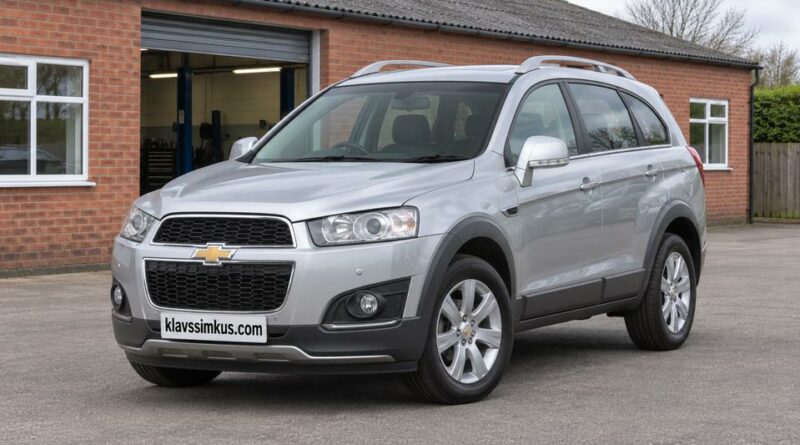
Chevrolet Captiva Problems and Used Buying Checks
The Chevrolet Captiva problems I would check first are warning lights on a diesel, noisy or hesitant transmission operation and corrosion underneath. A cheaply priced Captiva can make sense as a family car if the condition and maintenance history add up. If you are comparing it with another family SUV, my Hyundai Tucson buying guide covers CRDi diesels, dual-clutch gearboxes and the later hybrids. It can also need work that costs a significant share of the asking price. Ask for the registration, VIN, engine, gearbox, driven wheels and seating layout. Check those details on the actual car before comparing it with another advert. If you are considering a Chevrolet import, my Equinox buying guide explains the petrol, diesel and EV distinctions, including checks for oil consumption on relevant older engines.
I would ask for the latest MOT and service invoices before travelling. Then ask the seller to leave the engine cold for the viewing and explain anything that has been repaired recently. If you intend to use the third row regularly, bring the people or equipment you need to accommodate. The difference between having seven seats and having seven seats that suit your family is worth finding out before you pay.
Identify the Captiva’s engine, gearbox and traction system
The RAC covers the earlier UK Captiva and the revised 2011 to 2015 model separately. The later range moved from the earlier 2.0-litre diesel to 2.2-litre diesels. Find out exactly which version the seller has, whether it is manual or automatic and whether it has front-wheel drive or all-wheel drive. Maintenance and the parts you will need depend on those details. An import or a car registered around the changeover deserves a closer check against the build paperwork.
Ask for the last service invoice and confirm the next scheduled jobs using the engine and VIN. If a seller says the timing drive was changed, check which parts were fitted, at what mileage and by whom. A receipt for parts bought online does not show they were fitted. Ask for the workshop invoice or other evidence. I would also check what workshop support is available near you. Chevrolet UK’s support page points owners of older models to a separate contact route. Confirm parts and diagnostic support locally before relying on a generic estimate.
Check diesel warnings and recall history before a drive
Ask about typical journeys and any regular warning from the diesel particulate filter or engine management system. If a DPF has been cleaned or replaced, ask what the workshop found, which faults it checked and whether the warning returned. A filter or exhaust fault can have several causes. I would ask for a diagnosis before accepting a seller’s estimate. If the car has been modified or the seller says an emissions device was removed, ask a suitable workshop to assess it before purchase. My UK diesel phase-out guide explains where to check local diesel access and what to ask about emissions equipment.
A UK recall listing for campaign R/2015/142 describes a fire risk linked to overheating near the lower engine cover on affected Captivas. Use the GOV.UK recall checker and ask Chevrolet support to confirm what applies to the VIN and whether the work was completed. Request a dated record. If there is an open safety recall or an apparent fuel leak, follow the manufacturer’s instructions and resolve the question before a test drive. A reassuring dashboard on the day is no substitute for the documentation.
Start it cold and repeat the checks when warm
Watch the instrument display and listen as the engine begins to run. Persistent heavy knocking, obvious smoke, a warning that stays on or unexplained coolant loss needs investigation. Ask how often the owner adds oil or coolant and whether there have been signs of overheating. I would look for visible leaks and evidence of fresh cleaning around areas where a leak could have been present. View the car in daylight and do not open the cooling system when hot. If symptoms suggest a serious fault, have a workshop investigate instead of continuing the drive.
During a suitable insured test drive, look for consistent power delivery, check whether temperatures stay stable and note where any warning returns. A car that loses power or hesitates should have the cause assessed. Ask the workshop to record whether it reproduced the fault and what evidence supports the work it recommends. If the car has been used for towing, ask about typical loads and get the exact vehicle’s limits from the relevant paperwork. Then focus on the cooling system, gearbox, rear suspension and brakes when deciding what to inspect more closely.
Listen to the gearbox and all-wheel drive
Check how the transmission behaves from cold and again once warm. On a manual, try ordinary gear changes and pay attention to clutch engagement or any repeatable slip, noise or difficulty selecting gears. On an automatic, check whether drive and reverse engage consistently and how it changes gear when used normally. Repeated hesitation or a harsh engagement warrants a diagnosis. Ask for invoices for any clutch, transmission or fluid work, and check that the documents name the relevant car and mileage.
On an all-wheel-drive car, I also listen for vibration, a whine or a clonk that changes with road speed or load. Check all four tyres against the manufacturer’s requirements and compare wear and specification. Dissimilar tyres, uneven wear and damage deserve follow-up. If there is a noise, ask a workshop to locate it before you budget for a gearbox or transfer assembly. A hub, tyre or other component can also make a noise that is difficult to place from inside the car. Give the workshop the conditions under which it happened.
Inspect corrosion, brakes and the family equipment
Use the MOT history to look for repeat advisories involving structural corrosion, suspension, brake pipes, oil leaks or tyres. Ask for paperwork showing what was done. Check the accessible sills, subframes and suspension mounting areas. Fresh underseal limits what can be seen. If corrosion or repairs are suspected, arrange a workshop inspection with safe access. Check the tyre shoulders and look for uneven brake wear. Ask for an assessment where there is significant pitting or the car vibrates or pulls under braking.
Try the air conditioning, tailgate, all the seat mechanisms and the belts for every seat you intend to use. On a seven-seater, check access to the third row and the space left for luggage. Look under boot mats for damp or damaged trim. Test both keys and the parking sensors, if fitted. If the towbar is part of the sale, check the fitting record and have the electrical socket tested before relying on it. It is easier to ask the seller to demonstrate these items before collection than to investigate problems afterwards.
Ask what putting the car into service will cost
Get written quotes for the next service, tyres, brakes and any confirmed faults. Ask whether the quote includes VAT and associated work. If a part is hard to source, ask how long it would take to arrive and whether a suitable replacement is available. Get the estimate for diagnosis separately from the price of the repair. I would also check the registration against the local emissions scheme for the routes I actually use. Eligibility depends on the particular car and scheme, so establish it before you travel to a viewing if it will affect the purchase.
Compare two older seven-seaters on the same basis
Before choosing the cheaper car, put the cost of immediate work next to the price difference. A service, a pair of correct tyres and a brake repair can narrow the gap quickly. If a seller offers to do the jobs, write down what has been agreed, who will do it and what evidence you will see before collection. I would also ask about recent use. A car that has been left standing may need some work before regular use even if it has done very few miles since the last MOT.
Ask the seller to demonstrate that all the equipment you need comes with the car. If you use it to tow or carry a full load, check the tyre specification and the manufacturer’s load and towing figures for that specific version. For a family trip, measure luggage space with the required seats occupied. The right Captiva is the one you can afford to put into use and that fits the jobs you expect it to do.
My checklist before buying a Captiva
- Match the VIN, engine, gearbox, drivetrain and seating to the car and paperwork.
- Check diesel warning and recall records and investigate unfinished work.
- See a cold start and compare how the transmission and brakes behave once warm.
- Check the underside, tyres and MOT history and confirm the third row works for you.
- Obtain fitted prices and lead times for any work that affects the deal.
If a car is far away or you need better evidence of repairs, arrange a vehicle inspection and confirm what underside access and road test are possible. I would prioritise the Captiva that has a clear repair history, behaves consistently and comes with a budget for the next work it needs. That gives you a better basis for comparing two cars than mileage and price on their own.