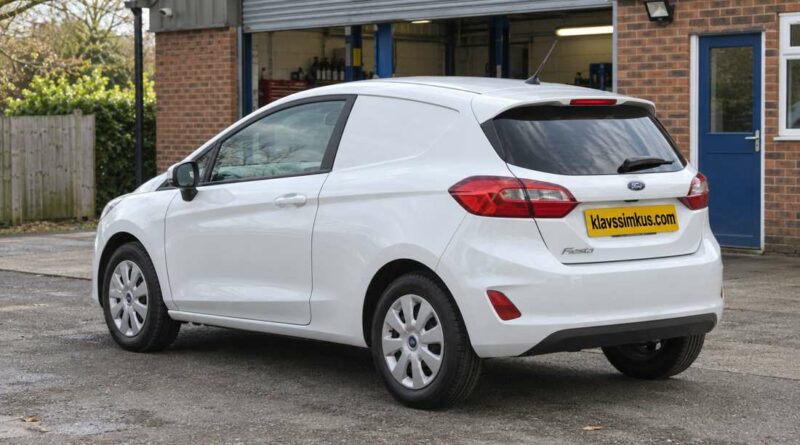
Ford Fiesta Van Problems and Used Buying Checks
Ford Fiesta Van problems need to be judged alongside the way the van has worked. A low-mileage example used for repeated short deliveries can present different questions from one driven longer distances. I would check the service evidence, clutch operation, engine condition and load area before deciding whether the asking price represents value.
The engine badge is only a starting point. Older petrol and TDCi diesel vans differ from later EcoBoost versions, and a Sport badge does not establish every mechanical detail. This guide explains the checks I would prioritise for a used Fiesta Van in the UK, including timing-drive evidence and commercial-use wear. It does not assume every van develops the same faults or that a repair price for a Fiesta passenger car will apply unchanged.
Confirm the engine and the actual van specification
Ask for the registration, VIN, engine details and build information before travelling. Distinguish a factory van from a passenger car that has been altered. Check the seating, load-area arrangement and registration description against the documents. A conversion needs an explanation of what was changed and any relevant insurance or approval implications.
Ford’s 2018 Fiesta Van launch information lists 1.1-litre petrol, 1.0-litre EcoBoost and 1.5-litre TDCi options. It describes approximately one cubic metre of load space and a gross payload around 500 kg. These are launch figures, not a substitute for the plated limits and actual specification of the vehicle you are buying.
Confirm the particular engine output and gearbox. Do not assume every van from the same year is mechanically identical. If you are comparing it with the passenger version, my Ford Fiesta buying guide explains further engine, transmission and condition checks. The van also needs its load area, working history and carrying suitability assessed separately.
Service history must explain the type of work
I would compare service invoices, mileage entries and MOT records in chronological order. Ask about the previous business use and whether journeys were mainly short deliveries or longer trips. That history is useful context, rather than proof of a fault. Maintenance should match the applicable schedule and operating conditions.
Read the invoice descriptions for the oil specification, filters and additional work. A service stamp does not show every item, and a recent reminder reset does not prove maintenance was performed. Ask about any replacement engine, turbocharger, clutch or gearbox and establish why the work was needed. A large repair is more useful evidence when the original cause and follow-up checks are documented.
Ford’s Digital Service Record guidance explains that digital records replaced printed service booklets in 2022. Some stand-alone work may not appear, so request the supporting invoices as well. Missing online entries should be investigated rather than automatically treated as proof that nothing was serviced.
Ask what is due next and obtain a vehicle-specific quotation. Separate routine maintenance from overdue work and identified defects. For a working van, parts lead times and workshop availability can matter as much as the bill because downtime may interrupt the job you bought it to do.
EcoBoost timing belts and chains need VIN-specific advice
Do not describe every 1.0 EcoBoost as having the same timing drive. Ford’s timing-system guidance says the type and replacement requirements depend on the model, engine and year, and recommends confirmation using the VIN. Ask Ford or a suitably informed workshop to identify the exact arrangement and current schedule.
For example, Ford’s 125 PS mild-hybrid Fiesta service-engine document describes chain-driven camshafts. That does not identify the engine in an unverified van or establish the arrangement of every other internal drive. It demonstrates why a broad EcoBoost label is insufficient for maintenance advice.
On a relevant belt-equipped engine, request an invoice showing what was replaced, when and at what mileage. Ask whether the quotation includes the other work required by the applicable procedure. A seller saying the belt looked fine is not equivalent to evidence of a completed scheduled replacement.
Correct oil and documented servicing are important. Look for unexplained oil-pressure warnings, persistent engine noise or evidence of incomplete repairs. A brief visual check cannot establish the condition of every concealed belt or internal component. If the history or symptoms raise concern, arrange the necessary specialist investigation before purchase.
TDCi diesel, DPF and turbo-related symptoms
For a diesel, ask about repeated warning lights, reduced-power messages and previous emissions-system work. Read the invoices for the actual diagnosis rather than accept a description such as DPF cleaned. A filter treatment does not explain why a warning occurred or prove the original problem has been resolved.
Ford’s 2020 Fiesta handbook describes automatic DPF regeneration and warns about the exhaust temperatures involved. Use the handbook appropriate to the actual build. Do not park a regenerating vehicle over combustible material or attempt a forced regeneration during a viewing.
Assess cold starting, idle and ordinary acceleration. Persistent smoke, poor response or abnormal whistle can involve several causes. Hoses, controls, fuelling, engine condition and the turbocharger may all require testing. I would not diagnose a turbo failure from one sound or a dashboard code alone.
Ask whether emissions equipment has been altered and investigate suspicious repairs or software changes. A clean dashboard does not prove the system is intact. If repeated short journeys are your intended use, consider whether a diesel suits that pattern before buying, rather than assuming a longer drive occasionally will cure every future warning.
Clutch, gearbox, steering and brake checks
For a manual, assess clutch take-up, pedal behaviour and gear selection cold and warm. Delivery use can involve many starts and manoeuvres, but condition needs checking rather than assuming the clutch is worn. Persistent judder, slipping under normal load or difficult selection needs diagnosis. Avoid deliberately stressing the drivetrain to prove a fault.
During a varied insured drive, listen for noises that change with road speed, engine load or clutch operation. Check steering consistency and behaviour over ordinary uneven surfaces. A knock may involve a joint, bush, mounting or another component. Record when it occurs and arrange further testing where the cause is unclear.
Check brakes for wear, corrosion, consistent pedal response and predictable stopping. Inspect tyres across their visible width and confirm the required size, load and speed specification. Uneven rear wear or damaged wheels may justify further alignment and suspension checks. New tyres can remove an old wear pattern without correcting its cause.
Examine accessible underside areas, brake pipes and suspension mountings for damage or corrosion. A lift inspection can reveal more where access on site is restricted. Never get beneath a van supported only by a jack, and record any areas that could not be adequately examined.
Load-area condition and carrying suitability
Open the rear door and examine the floor, side trim, bulkhead and load-restraint points. Look for heavy impacts, distortion, loose fittings and poorly installed racking. Ask what was carried and whether accessories have been removed. Fresh floor covering may conceal damage, so agree further access where necessary.
Check door operation, seals and evidence of water entry. Inspect the surrounding body gaps and paint finish for signs of repair. A damaged load area does not automatically mean structural damage, but it needs assessment rather than a cosmetic assumption. Obtain photographs and invoices for significant earlier work.
Try the equipment you intend to carry, allowing for access and secure restraint. Confirm the actual plated weight limits and account for the fitted accessories and occupants when assessing usable carrying capacity. A brochure payload headline does not establish what remains available on a modified van. If towing matters, verify the limits and installed equipment for that particular vehicle.
Equipment, recalls and the purchase decision
Test air conditioning, windows, locks, lights, cameras and parking aids where fitted. Try the phone connection and essential navigation functions. Check both keys and any aftermarket alarm, tracker or electrical installation. A former business’s equipment should be removed or transferred properly, with no unexplained wiring left behind.
Use the official vehicle-recall check and ask the seller for completion records. Ford’s pre-purchase recall guidance directs prospective buyers to that service. Follow any current manufacturer instructions for an affected vehicle. Recall status and today’s mechanical condition are separate enquiries.
Keep a copy of the advertisement and ask for agreed repairs to be recorded on the invoice. Confirm the final purchase price, any VAT and additional fees before paying. On collection, check that the promised work has been completed and that the supplied keys and equipment match the agreement.
Before committing, I would want:
- Verified identity, engine, gearbox and factory-van or conversion details.
- A service history consistent with age, mileage and working use.
- Clear timing-system information and evidence of required work.
- A satisfactory warm drive without unresolved warnings or judder.
- Sound load restraints, suitable carrying limits and acceptable underside condition.
- Written defect quotations, including VAT, and a realistic downtime allowance.
An independent vehicle inspection can help assess accessible condition and identify further specialist tests. I would choose the van whose history and present condition support the work it needs to do. A modest purchase price only makes sense if the maintenance, immediate repairs and practical carrying requirements fit the budget.