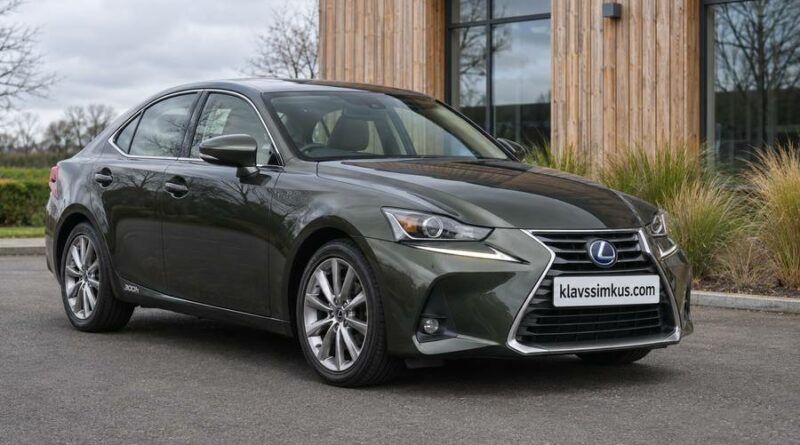
Lexus IS Problems and Used Buying Guide
The Lexus IS problems I check depend on whether the car is an older IS 200, an IS 250 V6, a 2.2 diesel or an IS 300h hybrid. I’d pay close attention to corrosion, suspension and modifications on an early IS 200. On a diesel, I’d follow up cooling and emissions warnings. On a hybrid, I want the battery and service records and a drive long enough to assess how the petrol engine and electric drive work together. Start by confirming the version because the same symptom can need a different diagnosis on each.
Identify the Lexus IS generation and engine
The Lexus UK IS 200 archive lists the first UK IS 200 from 1999 to 2005 and identifies its 2.0-litre straight-six petrol engine. A first-generation IS 300 and a later IS 300h have different engines and purposes. Japanese-market Toyota Altezza models also appear in used adverts. Check the registration, VIN, engine identification and original market if the car is advertised under more than one name.
Lexus’s second-generation UK launch material specifies the 2.5-litre V6 IS 250 and 2.2-litre IS 220d. The IS 220d used a six-speed manual, and the IS 250 launched with a manual or optional six-speed automatic. A later refresh introduced the IS 200d. The third-generation Lexus IS launch in 2013 included the 2.5-litre IS 300h hybrid and IS 250 V6. The hybrid’s e-CVT is a different transmission from the V6 automatic. Lexus has since discontinued the IS in the UK, so confirm the market on any later example you’re offered.
IS 200 corrosion, modifications and maintenance
On an IS 200 I start at the sills, jacking points, wheel arches and accessible underside. Check where repairs have been welded, where the metal has been folded by a jack and where an underseal coating has been added recently. Ask for photos and invoices if the exterior looks tidy and the underside is difficult to see. I’d have significant corrosion around suspension or other structural mounting points assessed on a lift before buying.
If a previous owner has lowered the car or changed the wheels, check that the tyres clear the body and that the suspension works without knocking or rubbing. Look for paperwork for steering and suspension parts, previous alignment and any engine modifications. Ask if the original parts are included, and factor in insurance and an alignment or return to standard if that’s what you want. Check the service schedule for timing work and ask for the invoice rather than relying on a sticker under the bonnet.
IS 250 V6 cold-start and gearbox checks
I ask to see the V6 start cold. Listen for a noise that persists, watch for an unstable idle, and check for warning lights or a strong fuel smell. Look at the coolant level when cold and ask about top-ups. Loss of coolant can come from several places, so ask a garage to locate the leak and check the pressure before costing a pump, radiator or other work. Have any overheating history investigated. If you suspect a fuel leak, have the car checked before driving.
An uneven idle or misfire on a direct-injection V6 calls for diagnosis. I want the stored faults and relevant test results before allowing for ignition parts, injectors, intake work or internal engine checks. On the automatic, try Drive and Reverse both cold and warm. Check that shifts feel consistent on the road. With a manual, I listen for noise at the clutch and look for repeated judder or slipping. Ask for an itemised invoice if the transmission has had work.
IS 220d and IS 200d emissions and cooling checks
Ask where the diesel spent most of its life. Repeated cold short journeys can make it harder for the diesel particulate filter to regenerate. If the seller describes reduced power or a warning, ask for the exact message and a garage’s fault report. Exhaust pressure readings, temperature and regeneration history can help a technician work out whether the issue is the filter, a sensor or something preventing regeneration. EGR issues and a leak in the boost system can also affect how the engine drives. I’d ask for the cause before agreeing to pay for cleaning or replacement.
Check coolant when the engine is cold and ask about previous overheating or unexplained coolant use. An invoice for a new component tells you what was changed. Ask why it failed and what testing was done after the repair. If you’re buying the diesel for city use, check the registration with the official checker for the relevant charging zone. On the test drive, pay attention to the manual clutch, particularly when pulling away more than once or reversing slowly.
IS 300h hybrid battery and e-CVT checks
For an IS 300h I ask for recent Hybrid Health Check reports and service invoices. A document should identify the car, date and mileage. Take a drive that includes town speeds and a faster road where possible. I look for smooth pulling away, consistent power and normal changes between petrol and electric operation. The e-CVT can hold engine revs when accelerating. A hybrid warning, jerky power delivery or unexplained loss of power needs a workshop that can read the relevant system data.
A faulty 12-volt battery can complicate diagnosis. If there have been repeated flat batteries, get the 12-volt supply and charging system checked as well as any hybrid fault. Ask whether the hybrid battery cooling air inlet is clear and has been checked against the handbook. If traction battery performance is in doubt, ask for a vehicle-specific diagnosis and written warranty position. My Lexus service schedule guide explains how the routine service, Hybrid Health Check and conditional cover fit together.
Brakes, tyres and electrical checks across the range
Look at all four tyres and compare wear, particularly along the inside edges. On a car that pulls to one side, check the wheels, tyres, bushes, brakes and alignment together. Over small bumps I listen for a knock that repeats and note which corner it seems to come from for the workshop. Check the disc surfaces where visible and make sure the brakes feel consistent. Corrosion can build up on cars used infrequently. Have any apparent brake or steering defect assessed before driving further.
Test both keys, heated seats, windows, headlamps, climate control and any camera or parking sensors fitted. On an older car or import, check that the functions you need still work with the fitted head unit. Try your own phone with the car parked. A complete equipment check is worth doing when a trim or optional sound system is part of the price.
Compare the cars you can actually buy
If I were weighing up two IS 300h examples, I’d compare tyres, brakes, service and expected mileage over the next year before paying extra for a low odometer reading. If you want the larger front-wheel-drive hybrid saloon, my Lexus ES 300h buying guide covers its battery history, trim and equipment checks. Ask about private-hire or fleet use if the mileage or service history suggests heavy use. Check the driver’s seat, pedals and rear doors alongside the invoices. Mileage alone gives me little evidence about how carefully the car has been looked after.
If you want a V6, check the fuel, insurance and tyre costs for the exact trim and wheel size. Try the ride on the roads you use regularly and sit in the rear with the front seats set as you would drive. On an older car with optional equipment, find out whether replacement parts are obtainable. I’d allow for the jobs I know are due and put unresolved issues on a separate list for a workshop to assess.
Lexus IS recalls, service records and repair costs
The Lexus UK IS service guide gives 12 months or 10,000 miles, whichever comes first, for its listed models. Confirm the schedule for the exact vehicle and check the jobs due by age and mileage. Compare mileage and recurring advisories through the MOT history. An importer or specialist should be able to help cross-check earlier records where they’re available.
Toyota GB’s 2011 fuel-system announcement includes certain IS 250s built from August 2007 to February 2009 and concerns the fuel pressure sensor. Campaigns can differ by original market. Use the Lexus UK recall lookup and contact a retailer with the VIN to confirm whether any applicable campaigns remain open.
- Get a diagnosis before pricing an emissions, hybrid or transmission warning.
- Ask for itemised parts, labour, VAT and any calibration or follow-up checks.
- On an older IS, include repairs to corrosion, tyres or suspension as well as the routine service bill.
- On a hybrid, get the outcome and remaining cover in writing if either affects what you can afford.
- Compare the total purchase and immediate work costs against a similar car with better evidence.
I’d choose the IS whose engine and maintenance history fit my driving, with enough budget left for the work the car actually needs. If it has a warning, poorly documented modifications or a history of coolant loss, get the question answered before agreeing a price. An independent vehicle inspection can help you judge the condition and identify checks that need specialist equipment. Share the advert, model details and symptoms so the inspection can focus on what matters to you.