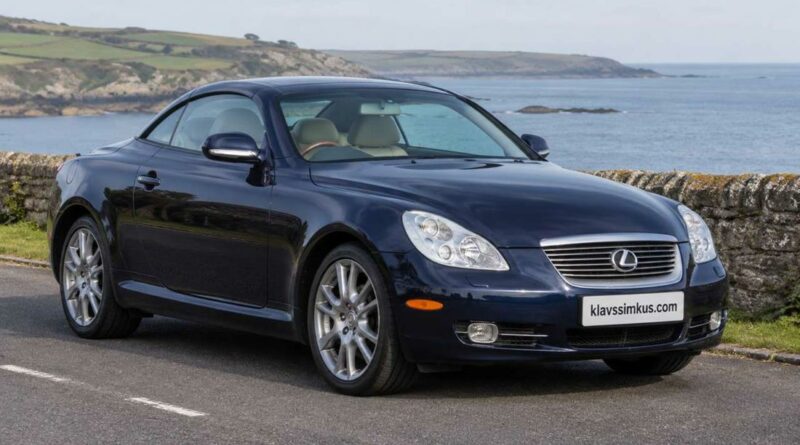
Lexus SC 430 Problems and Used Convertible Buying Checks
Lexus SC 430 problems are best assessed as part of the whole ownership picture. A smooth V8 and a folding metal roof can make an older car feel special, but neither tells you whether the timing belt is documented, the underside is sound or the roof mechanism works consistently. I would choose on condition and evidence before colour, wheel design or a tempting price. For a more unusual open-top alternative, my Chrysler Prowler buying guide explains its V6 transaxle layout, front-ball-joint campaign and specialist repair considerations.
My inspection priorities would be the roof, signs of water entry, maintenance history, suspension and the way the car drives from cold to fully warm. This is a practical buying guide, rather than a claim that every SC 430 develops the same faults. It also explains why I would separate the UK SC 430 from earlier SC 300 and SC 400 imports when planning checks or ordering parts.
Identify the SC model and transmission first
The Lexus UK SC 430 archive records UK sales from 2001 to 2009. It is a 4.3-litre V8 coupe-convertible with a retracting hardtop and small rear seats. Earlier SC 300 and SC 400 coupes belong to a different generation. An imported Toyota Soarer also needs its own identity and specification established, rather than being treated as an identical UK car.
Early SC 430s have a five-speed automatic. Lexus introduced a six-speed automatic as part of the 2006 model-year revisions, alongside lighting and other changes. Registration year alone is not enough to establish the version. Check the build information and actual equipment, especially on a late-registered or imported example.
I would ask for the registration, VIN, ownership documents and recent invoices before travelling. Confirm whether mileage is recorded in miles or kilometres and whether any conversion is documented. For a newer Lexus convertible comparison, my Lexus LC buying guide covers a different generation of powertrains and roof equipment.
Check the folding hardtop through a complete cycle
I would arrange a roof demonstration before agreeing to buy. Follow the handbook, park safely on level ground and keep clear of moving panels. The luggage area must be prepared as required, with the relevant partition correctly positioned. Do not force a panel or try to defeat an interlock if the sequence stops.
Watch the entire opening and closing cycle. Listen for unusual strain and look for hesitation, uneven movement or panels failing to settle correctly. Check that the windows and roof latches complete their sequence and that the car indicates the roof is properly secured. One successful movement is useful evidence, but ask about intermittent faults and previous repairs as well.
A stalled roof does not automatically identify a failed motor. Power supply, switches, position sensing, alignment and mechanical resistance all need consideration. I would want diagnosis from someone familiar with the mechanism before accepting a low repair estimate. Ask whether the quotation covers adjustment and testing, as well as the part being replaced.
With the roof closed, check panel alignment, seals and window contact. During a suitable road test, listen for excessive wind noise and rattles over uneven surfaces. Do not dismiss every noise as normal for a convertible. If the roof cannot be demonstrated because of weather or access, record that limitation and arrange another test before committing.
Look for water entry, corrosion and accident repairs
Check beneath accessible mats and around the boot floor for moisture, staining and a musty smell. Inspect seals and visible drainage areas without dismantling the car. Freshly cleaned carpets can make an old leak harder to assess. A dry day also does not establish that the cabin remains dry in heavy rain. For a fabric-roof alternative, my Vauxhall Cascada buying guide explains roof demonstrations, water-entry checks and current airbag recall checks.
If dampness is present, trace the source before pricing the repair. Water may have travelled away from its entry point, and drying a carpet alone does not solve the problem. Electrical connectors or modules in an affected area may need further examination. Ask for any invoices for roof seals, glass adjustment, leak testing or interior drying.
I would examine the accessible underside, suspension mounting areas, brake pipes and exhaust for corrosion. A proper lift inspection can reveal more than a view from the edge of the car. Never get beneath a vehicle supported only by a jack. Undertrays, dirt and coatings can limit what can be seen, so the report should explain those limits.
Compare paint finish, panel gaps and fasteners across the body. Paint-depth readings can support the assessment where appropriate, but a single reading does not establish accident severity or repair quality. Check the history report and paperwork, then investigate any mismatch between the documents and physical condition. A tidy exterior cannot prove the structure underneath is sound.
Timing-belt evidence matters more than reassurance
The SC 430 V8 uses a timing belt. Lexus’s original UK launch information specifies replacement at 90,000 miles. I would confirm the applicable current schedule, including any time requirement, with Lexus for the exact car. An old low-mileage belt still needs a clear assessment against that schedule.
Request the invoice showing when the belt was replaced and at what mileage. Read the parts and labour description rather than assume a service stamp includes it. Ask what related components were inspected or replaced, including the water pump and tensioning components where relevant to the quoted work. Different workshops may quote different scopes, which makes headline prices difficult to compare.
Check for coolant deposits, falling levels and oil leaks around accessible engine areas. Inspect when cold and revisit after the road test, without opening a hot cooling system. A leak needs its source established before deciding whether it is minor. Previous overheating, unexplained coolant loss or persistent smoke should be resolved before purchase.
I would also look for evidence of regular oil servicing, correct fluids and maintenance during periods of light use. Ask whether the car has spent long periods stored and how it was maintained. Starting an engine briefly in a garage is not equivalent to a properly maintained vehicle with a documented service history.
Road-test the engine, gearbox and brakes warm
Ask the seller to leave the car cold before your appointment. Observe the initial start, warning-lamp check and idle, then assess it again once fully warm. Persistent rough running, abnormal vibration or warning lights need investigation. A diagnostic code can guide testing, but it should not be treated as a complete diagnosis by itself.
Check drive and reverse engagement with the vehicle safely stationary. On the road, assess gentle acceleration, normal gear changes and deceleration. Repeated harsh shifts, slipping or delayed engagement require further testing. Establish which transmission is fitted before discussing servicing. I would not accept a promise that changing the fluid will definitely cure an unexplained fault.
Brake checks should cover disc condition, corrosion, pedal consistency and straight, predictable stopping. Vibration under braking is a symptom to investigate, rather than proof that one particular component is at fault. Cars used infrequently still need their friction surfaces and moving brake parts assessed. Stop the test if braking behaviour raises a safety concern.
Suspension, wheels and tyre choices
Listen for knocks over ordinary broken surfaces and check whether the steering feels consistent. Look for uneven tyre wear, vibration and a tendency to wander. Bushes, joints, dampers, alignment and previous impact damage can all affect the result. A fresh set of tyres may hide the old wear pattern without correcting the cause.
Inspect the wheels for corrosion, cracks and signs of repair. Check the tyre size, load and speed specification against the car’s requirements, together with age and condition. The SC 430 was originally offered with run-flat tyres, but the tyres fitted today may differ. Establish what is on the car and what puncture provision is available.
I would discuss a proposed tyre change with a competent tyre specialist and check any insurance implications. Avoid transferring punctured-driving limits from an old brochure to an unidentified modern tyre. The correct advice depends on the tyre fitted and its manufacturer’s instructions. A very old tyre with deep tread should not be judged on tread depth alone.
Cabin equipment and realistic repair costs
Work through the seats, mirrors, windows, heating, air conditioning, audio, navigation and lighting. Test the controls rather than rely on a seller’s description. Ageing navigation may function correctly while being unsuitable for current routes or phone integration. That is a buying preference to establish before paying, separately from an actual electrical fault.
Check seat trim, dashboard surfaces and wood finishes for damage or poor repairs. Replacement interior parts can be difficult to match, so obtain availability and pricing before assuming a cosmetic issue is cheap. Ask whether both keys work and whether any aftermarket alarm, audio or tracker installation has supporting paperwork.
I would build a budget from written quotations for the particular car. Separate the next routine service from overdue belt work, tyres, corrosion repairs and roof diagnosis. A generic annual maintenance figure cannot predict those items. Confirm whether each quotation includes VAT, labour, replacement fluids, adjustment and follow-up testing. For current routine-service options, consult Lexus UK servicing information and request a vehicle-specific quote.
My final SC 430 buying checklist
Before committing, I would want the following evidence:
- Clear identity and mileage records, including import documentation where relevant.
- A complete roof demonstration and no unresolved water entry.
- A timing-belt invoice or a realistic allowance for required work.
- Acceptable underside, suspension, wheel and tyre condition.
- Consistent warm driving behaviour and predictable braking.
- Working equipment, written defect quotations and confirmed parts availability.
Use the Lexus recall checker for the actual car and ask about outstanding campaigns. An independent vehicle inspection can then help assess accessible condition and identify where a roof, transmission or structural specialist needs to investigate further. I would buy an SC 430 for its documented condition and the way it passes those checks, with money reserved for maintaining an older luxury convertible.