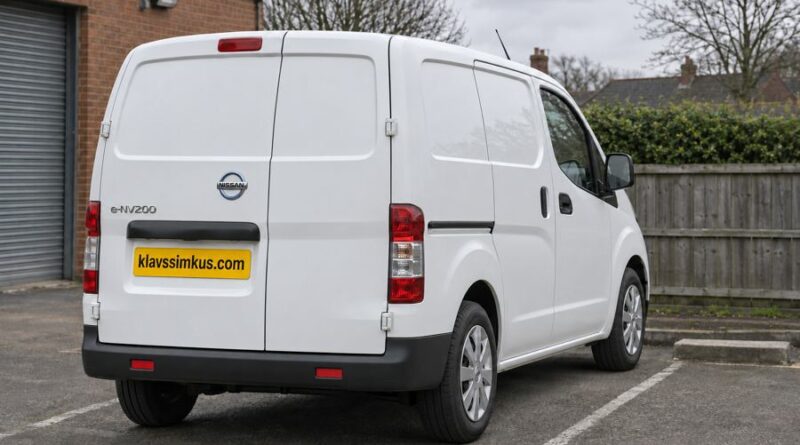
Nissan NV200 Problems and Used Van Buying Guide
The first thing I establish when someone asks about Nissan NV200 problems is whether they are looking at the 1.5 dCi diesel or the electric e-NV200. The two share a useful shape, but I would ask for different records and plan a different test drive. A diesel needs a proper cold start and some time on the road when warm. I would give an electric van time to demonstrate charging and ask for evidence of its battery condition before I judged it by the range on the screen.
In either case, I start with what the van needs to do. If you are replacing another small van, measure the longest thing you carry and check where the van can park. If the van needs to carry people as well as equipment, try the actual seat layout and how much room is left for luggage. I then decide which issues need a quote and which are serious enough to pause the purchase.
Identify the model and seating before travelling
Nissan’s UK fleet guide for the second quarter of 2019 lists 1.5 dCi 90 and 110 options for the diesel panel and crew vans. The later 2019 UK fleet guide shows the 40 kWh e-NV200 and five- and seven-seat Combi choices. Earlier electric examples can have a smaller battery. Confirm the version and any subsequent changes with the paperwork and VIN. Do not assume a used listing has the battery or seating shown in its stock photograph.
Ask whether the load bay has a false floor, racking or a bulkhead that differs from its original specification. If a conversion is included, I want the fitter’s paperwork and a demonstration of any equipment the buyer needs. Check the plated figures for the individual vehicle and allow for the weight of permanent fittings. If you regularly carry a load near the limit, check the actual vehicle weight in the form you intend to operate it.
Diesel NV200 cold start and service history
On a diesel I ask the seller to leave the engine cold. At the viewing I check how readily it starts, whether the idle settles and whether persistent smoke or a warning needs explanation. Hard starting, abnormal smoke and uneven running can involve more than one system. I record the conditions, read any invoices and ask for the relevant diagnostic tests before suggesting a component is responsible. If the seller says an injector or a turbo was replaced, ask what fault was found and what happened after the repair.
When the engine uses a timing belt, confirm the correct replacement interval for that engine and VIN. I look for an invoice with the mileage, date and parts fitted. If there is no evidence of replacement and the job is due, get a written quote for the work before buying. I also ask what oil was used where the invoice shows it and compare the service dates with the mileage record. Consecutive receipts are more useful than a stamped book alone when I need to understand work on a particular part of the engine.
During the drive I try ordinary pull-aways and a stretch where I can check the response under moderate load. If the van has a diesel particulate filter or other emissions equipment, ask about prior warnings and look for invoices explaining any repair, including recurring EGR or DPF issues. A workshop record for a forced regeneration can tell you what was done on one occasion. I would still ask what led to it and whether the symptom returned. On a manual I check the clutch and gear selection when cold and warm. A repeated shudder or a change in engine speed without a corresponding rise in road speed merits investigation.
e-NV200 battery health and charging
I ask for a recent battery report identifying the van, the mileage and the date. Where possible I ask how the health figure was measured and whether there are earlier results to compare. The displayed range takes recent driving and conditions into account. It is useful when planning a route and should be read alongside battery evidence. Check the charging ports on the individual van, including whether it has the CHAdeMO rapid-charge connector. If you rely on public charging, confirm the chargers you would use list a suitable connector and check access for a van of this size.
- Ask for a demonstration of charging and check which cables and accessories are included.
- Confirm the battery specification and any remaining warranty against the paperwork for that VIN.
- Tally the daily distance, the longest gap between chargers and time spent parked where charging is available.
- Have repeated charging faults, warning lights or suspected damage to the high-voltage battery area assessed by a suitably equipped specialist.
For a van that will do the same route every day, consider the effect of a winter morning, quicker roads, a full load and detours. I would try the heater and air conditioning and make sure the charging cable supplied suits the equipment you intend to use. If public rapid charging is important, arrange a demonstration with the seller at a compatible unit. Allow enough time to confirm the session begins and runs normally. Ask Nissan to confirm the service history and warranty details if the paperwork is unclear.
Check the side doors, cab and load floor
Work every door from outside and check both keys operate the locks. A sliding door that needs a hard shove may have worn or damaged hardware. I watch for exactly where it starts to catch and look for damage around the tracks and body opening. The threshold can reveal repeated loading impacts and the floor may show whether heavy racking has been removed. Check under loose mats for damp and around previous fixings for poorly sealed holes. If a door has been replaced or painted, ask whether there is paperwork explaining the repair.
Try the heater, fan, lights, wipers and instruments. I also check whether the van fits the driver in a position they can use for a full shift. A basic feature such as a good view of the mirrors or an easily reached side door can matter every day. On a Combi or a converted van, test the seats and belts you will use and check that the fittings match the documentation. If a powered ramp or lift comes with the van, ask for its paperwork and a demonstration before you commit.
Road behaviour, tyres and brake condition
I look at the tyres before moving off and check for uneven wear and wheel damage. During an ordinary drive I listen for noises over bumps and pay attention to steering behaviour and repeated vibration when slowing. A loose tool can sound like suspension from the driver’s seat, so I check the obvious causes and repeat the same stretch when safe. If a brake warning appears or the pedal feels unsafe, I would stop the drive and have the van assessed before discussing a purchase. Where the seller offers to put on new tyres, ask what led to their wear and whether an alignment check is needed.
Plan a test that matches the work
If the van will do deliveries, use the viewing to check the time it takes to get to the load from the kerb side. I would bring the usual crates or measure the tallest one with its lid open. Try the van with the doors in the positions you can actually use where you park. When it is a diesel, arrange a route long enough to test the clutch and make a warm restart. When it is electric, plan a stop at the charger you expect to use most. Ask the seller to show what happens if you lock the van during the session. These simple checks make it easier to compare two examples on the same terms.
Repair quotes and my decision before paying
Before travelling I use the GOV.UK MOT history and the official recall checker. Ask about repeat advisories and compare the mileage on the record with the servicing and advert. If the registration search leaves a question about recalls, ask Nissan to confirm against the VIN. An invoice is useful when it describes the actual problem and the repair. A workshop stamp alone may leave you with more to check.
Ask whether the price includes VAT and request a written quote for the specific work you have identified, including labour, parts and VAT where applicable. Also ask how quickly the garage can order the part and return the van if you depend on it for work. I would choose a van with a clear service record, room for the real load and evidence that it can do the daily route. For a larger alternative, see my Nissan Primastar buying guide. My Renault Kangoo buying guide covers a similar-sized van. If you are looking at an older compact Nissan, my Nissan Kubistar buying guide covers corrosion, timing-belt evidence and door wear. For a particular NV200, a vehicle inspection can help you make sense of the van’s condition, records and road behaviour before you pay.