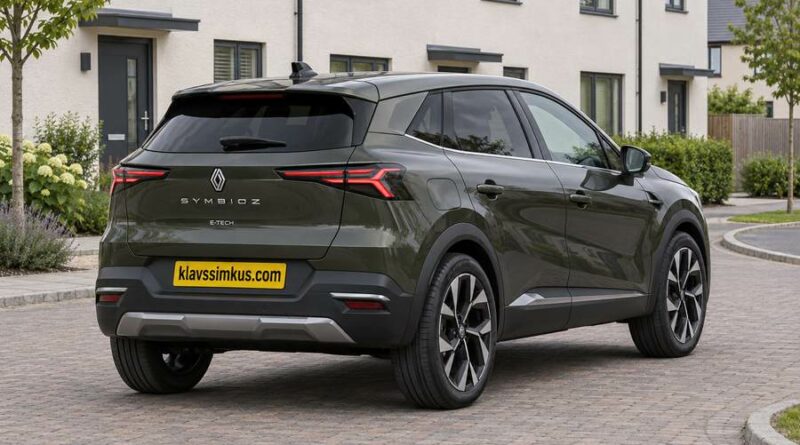
Renault Symbioz Problems and Used Hybrid Buying Guide
I’d buy a Renault Symbioz for its space only after trying the sliding rear bench and boot with the people and luggage it needs to carry. Then I’d check which hybrid system is fitted and drive it long enough to see how it behaves from cold to warm. A test round the block leaves little chance to reproduce a warning that appears in traffic or to find out whether the rear seats work with your child restraints.
The Renault Symbioz problems worth investigating include recurring drivetrain warnings, intermittent screen or camera faults and cabin equipment that fails during repeated use. I’d ask the seller to show how it behaves and to provide the service and repair history. That gives me something to compare with the symptoms I can reproduce on the day.
Distinguish the E-Tech 145, E-Tech 160 and mild hybrid 140
The 2024 UK launch information describes the E-Tech full hybrid 145, which combined a 1.6-litre petrol engine, electric motors and a 1.2 kWh battery. For later cars, Renault’s UK powertrain guide distinguishes the E-Tech 160 full hybrid with a multimode automatic from the mild hybrid 140 with a manual gearbox. Check the documents and VIN so you know which system and gearbox are fitted. An advert that simply says ‘hybrid’ leaves this unanswered.
The full hybrid charges its battery during driving and braking and can move under electric power in suitable conditions. The mild hybrid provides electrical assistance to its petrol engine and has a clutch pedal. If you’re comparing the two, try the same route in each and include parking, busier junctions and a faster section. My Renault Captur buying guide explains the different versions you may see if you’re also considering the smaller Renault.
Test the full hybrid from cold to warm
Ask the seller to leave the car cold before you arrive. Watch the dash at start-up and check for the ready indication. It can be normal to move off with the petrol engine stopped and hear it come on later. During an insured drive, try gentle acceleration, low-speed traffic, reverse and a restart once warm. I look for consistent response and repeat the conditions if there’s a hesitation or warning. Note what the vehicle displayed and whether the engine was already running.
If the car loses drive, refuses to select a direction or shows a warning, ask a Renault retailer or suitably equipped hybrid specialist to investigate. Request the fault records and written findings before relying on a quote. If the seller says software fixed a concern, establish what the symptoms were, which work was done and whether it has happened since. A software update, repair or replacement may all leave useful evidence in the vehicle history. Ask what hybrid and vehicle cover remains, using the VIN and first registration details.
On the mild hybrid manual, look for smooth clutch engagement at normal road speeds and repeat the low-speed checks once warm. Ask about any previous starting or battery warnings. Find out whether the garage checked the 12-volt supply and related systems before attributing a fault to the hybrid equipment. I’d ask for separate explanations if you notice both a gearchange concern and a battery message.
Check the sliding rear bench and load area
Renault’s dimensions guide shows how sliding the bench by up to 16 cm changes the boot space. Ask the seller to demonstrate the travel and confirm that the bench locks firmly where you set it. Fold and raise the rear backrests, check the belt buckles and head restraints and look for damage underneath accessible seat and boot trim. Bring your usual luggage and set the front seats first. The useful question is whether the boot has enough space with the rear bench positioned for your passengers. My Renault Austral buying guide covers the larger model, including what to check on its E-Tech 200 and examples with 4Control steering.
If the car has a powered tailgate, try a full opening and closing cycle in a clear area, using the relevant controls from the handbook. Watch for a pause or a failure to latch. Check lift height in the sort of space you use, especially if you park in a low garage. Lift the boot floor if the seller allows, check for moisture and find out what tools or repair kit should be there. If you use a roof box or towbar, check the limits and fitment for the actual model.
Try OpenR Link, the cameras and climate controls
Connect your own phone if possible. Check calls, audio and any media features you’ll use, then switch off and start again to see whether it reconnects normally. Try the physical controls or steering wheel controls as well. If a screen freezes, note which function was running and whether the dash, audio or reversing camera stopped too. Ask about previous resets and software work. For connected services, ask how the account will be transferred at handover and which services, if any, require a subscription.
Try reverse in a clear place at low speed and see whether the camera picture and sensors respond normally. Check the camera lens and bumper for obvious damage or repairs. A dirty lens, damaged mounting or electrical fault calls for a different check. Test the heating, air conditioning and demisting as well. If a seller says it only needs refrigerant, ask what was tested and whether a leak was located. On a car with the optional Solarbay glass roof, check its opacity settings and look for staining or moisture around accessible headlining and trim.
Check tyres, brakes, safety equipment and repair history
Look at the tread across all tyres, including the inner shoulders. Check each rim and compare side-to-side wear. During a safe drive, note repeated knocks, vibration or pulling when steering or braking. A workshop can inspect the suspension, wheels and brakes before recommending alignment or replacement parts. Hybrid cars use regenerative braking as part of their normal operation, so I’d assess the condition of the friction brakes too. Ask for a closer look if there’s a concern about wear, corrosion or previous work.
The 2024 Euro NCAP result reported four stars for the Symbioz and related Captur under that assessment. Check what driver assistance equipment the actual car has and use the handbook for its operation. If a windscreen or bumper has been replaced, ask about work on any cameras or sensors and look for warning messages. Don’t try to trigger an emergency braking system on a road test. Ask a workshop to check its status if the history or warning lights give you cause for concern.
Compare the asking price with the work due
Use Renault’s campaign guidance for a VIN check and use the UK MOT history service if the car is old enough for a result. On a nearly new car, the workshop and warranty history can be the main source of information. Ask what was done before the last sale and what the dealer will do before you collect it. If there was bodywork, ask for photographs of the original damage and the repair invoice. Verify both keys and any advertised accessories are included.
Price the next service and the correct tyres, especially if the cars you’re comparing come with different wheel sizes. Have confirmed faults quoted with parts, labour and VAT. For a fault that remains intermittent, get a diagnosis before accepting the seller’s estimate. I’d use the actual difference in purchase and likely running costs when choosing between the mild hybrid and full hybrid. Try the two cars in the same conditions so you can judge the manual and automatic for your own use.
Check the specification against the advert
If a car is priced above another example because of its trim, write down the equipment that would justify that difference for you. On the viewing, try each control and confirm whether the feature was included when new or fitted afterwards. Test the seats with your normal driving position, check the visibility through the back and see how easily you can operate the ventilation while parked. If more than one person uses the car, both should try the seats and controls. Look at the boot opening, height and shape rather than relying on volume alone. For a car that will be parked in a tight space, try folding the mirrors and measure the clearance with doors or tailgate open.
My used Renault Symbioz buying checklist
- Confirm the model year, powertrain and gearbox using the VIN and documents.
- Try the car cold and warm and note any repeatable warning or loss of response.
- Check the rear bench, boot and powered tailgate where fitted.
- Test the camera, phone connection, climate controls and any Solarbay settings.
- Review the tyres, brakes and prior repair invoices, and confirm recall and warranty status.
- Get written prices for known work and agree what the seller will resolve before handover.
If you’re buying at a distance or the car has an unresolved concern, arrange a vehicle inspection before committing. Share the records and any warning messages in advance so the person looking at it can plan the checks and identify anything that needs a specialist workshop.