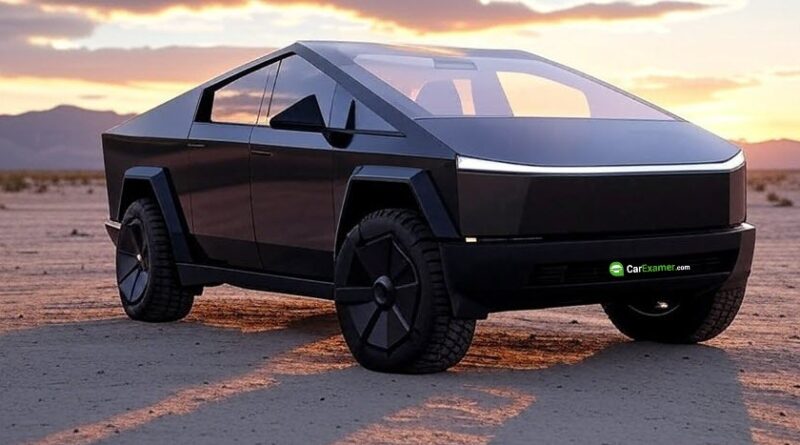
Tesla Cybertruck Problems and UK Import Checks
The Tesla Cybertruck problems I would check first are unresolved safety recalls, damage to the stainless steel body or battery enclosure, and uncertainty about approval, charging and service support. For a buyer in Great Britain, I would settle the approval question before spending money on a mechanical assessment, shipping or conversion. A good-looking truck can still be a poor purchase if you cannot establish how it will be registered, insured, charged or repaired.
Ask for the full VIN, original market, build date, title or registration documents and a record of any modifications. Establish whether the seller is offering a truck already registered in Great Britain, an unregistered import or one still overseas. Ask who is responsible for each outstanding step and what happens to your deposit if the truck cannot be approved or insured for your intended use. Check the documents against the vehicle you are actually buying.
Can you register a Cybertruck in Great Britain?
Start with GOV.UK guidance on approval for imported vehicles. If the vehicle needs approval, you will need evidence of it to register and tax it. I would ask the seller to show the relevant documents and have any uncertainty checked with the DVSA and DVLA before paying. A foreign registration, an advert describing the truck as road legal or a video of one driving in Britain does not establish that a specific truck meets the requirements for your use.
Confirm the vehicle category and gross vehicle weight from its plate and documents. Gross weight is the maximum permitted loaded weight. The unladen weight in an advert is a different figure. The DVSA has separate approval guidance for lorries and goods vehicles over 3,500 kg. Ask which guidance applies to the actual truck and confirm the licence entitlement needed for your intended use. If it is already registered here, match the VIN, category and weight to the paperwork and ask to see the evidence behind any changes. My guide to importing a used car into Great Britain explains the wider steps and paperwork.
Check Tesla safety recalls by VIN
Two US recalls illustrate why I ask for campaign numbers and job sheets. Tesla’s accelerator pedal recall, US campaign 24V-276, describes a pedal pad that could dislodge and become trapped against the interior trim on affected 2024 trucks. US campaign 25V-170 covers a risk that exterior trim along the roof edge, known as the cant rail, could separate on affected trucks. The latter involves exterior assemblies. An unrelated software update alone tells you nothing about whether that work was performed.
Search for open campaigns using the VIN and the manufacturer or safety authority in the vehicle’s original market. Then ask Tesla to confirm what has been completed and how any outstanding work would be handled in your location. I want written confirmation tied to the VIN. An advert giving a model year or build range is a starting point. If there is an open safety recall or the condition of a relevant component is in doubt, follow Tesla’s instructions before any demonstration or transport decision. Do not use a road test as a substitute for checking recall status.
Look at stainless steel panels and the underside
Inspect the truck dry and in good light. Look along each side from more than one angle for dents, distorted reflections, inconsistent gaps and changes in the finish. Check the corners of doors, wings and trim and look for fasteners that are loose or missing. If the truck has been wrapped, ask for dated photographs taken before the wrap and records of any work. A panel may look uniform under a wrap while the repair underneath needs a closer look. I would ask an appropriate repairer to assess any area with evidence of an impact or poor panel fit.
Assess the visible underbody and battery enclosure safely. Note deformation, split covers, missing fixings and evidence of hard impacts. If a truck has a salvage or collision history, get the original photos and a repair record, then ask a suitably equipped EV workshop for an assessment. The report should say which areas were accessible and which require further investigation. A display showing the truck can enter drive gives limited evidence about the condition of the battery enclosure. Leave detailed high-voltage assessment to an EV-trained repairer.
Test the steering, suspension and equipment where permitted
With the truck stationary, check that it starts without persistent warnings and that the seller can demonstrate doors, windows, cameras, lights, the powered bed cover and tailgate using the handbook. Never put hands in the path of a closing cover or tailgate. Check accessible seals, the load bed and storage for water marks and damage. If the seller says a warning only came up once, ask when it happened and for the workshop paperwork. A photograph from the day of sale can miss intermittent issues that appear during start-up or a change of ride height.
Only consider a road test once the registration, insurance, recall status and general condition allow it. On a suitable route, I would pay attention to the steering response, braking, repeatable noises and any warnings relating to the suspension or steering. Check that the truck sits consistently and compare tyre condition across all four wheels. Confirm tyre specification, load ratings and availability in your location. If a workshop recommends replacement, ask whether the quote includes balancing or alignment and confirm when the correct tyres can be obtained.
Confirm charging and compatible support
Identify the charging connector on that truck and check it against the equipment you actually plan to use. A North American charging specification does not establish compatibility with a particular UK installation, public charger or adapter. Ask Tesla and the charging equipment provider to confirm the supported arrangement. I would want a demonstration with suitable equipment before relying on it. Check that the truck accepts the connection, begins charging and completes or stops the session normally. If it cuts out, record the equipment used, starting charge and the fault message. Have the cause diagnosed before buying more hardware.
Ask who can service the truck and carry out warranty or recall work in Great Britain. Tesla’s warranty page directs owners to the warranty supplied with their vehicle for definitive terms. Ask Tesla to confirm what cover applies to that VIN, in which market and at which service locations. Repeat this for battery and drive-unit cover and any exclusions arising from damage or modifications. A range estimate on the screen can change with use and conditions. Ask what battery evidence a qualified workshop can provide if pack condition will affect the deal.
Work out the cost before committing
Put the purchase price beside the costs for transport, approval, any documented conversion work, insurance and installation of suitable charging equipment. Get written prices for diagnosed faults, the next service or condition check and the correct tyres. Ask who can obtain parts and how the truck would get to that workshop if it needed recovery. Where a quote is for bodywork, ask whether trim, sensors and associated calibration are included. If a seller promises to do work before handover, list the agreed jobs and how you will verify them before releasing payment.
Measure where you will park it. Check the width with the mirrors in the positions you expect to use and leave room for access, opening doors and loading the bed. Consider turning space, the route to your parking area and any height or weight restrictions that apply to it. A vehicle can technically fit in a space and still be awkward to use every day. I would test access before paying extra to ship a truck that I cannot easily accommodate or charge.
If you are buying remotely, ask the seller to send clear images of the VIN plate, the charging socket, the underside and the sides of the load bed. Request videos showing the functions you need demonstrated, with the date and vehicle visible where practical. Use those materials to decide whether an in-person assessment is worth arranging. I would avoid agreeing a final price on the strength of those videos alone, especially where the truck has been modified, repaired or transported between markets.
My checklist before buying a Cybertruck
- Match the VIN, original market, title, approval and registration evidence to the physical truck.
- Check open recalls and ask for confirmed repairs, not just an assurance that the software is current.
- Get written confirmation of insurance, licence entitlement and local workshop support for the exact vehicle.
- Examine the stainless steel body and battery enclosure and follow up any damage or modifications.
- Verify a compatible charging arrangement and price the first work the truck needs before paying a deposit.
An independent vehicle inspection can document accessible condition and help identify where specialist testing or repair evidence is needed. Agree the scope and access in advance. I would only proceed once the paperwork, physical condition, charging plan and service arrangements all support how I intend to use the truck.