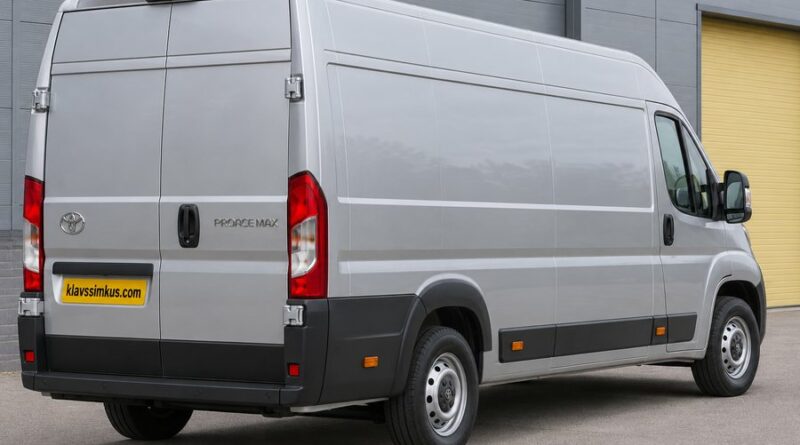
Toyota Proace Max Problems and Large Van Buying Guide
The first thing I check on a used Toyota Proace Max is whether it can carry the load I intend to put in it. A large load bay can make a van look ideal until you allow for its actual weight, conversion equipment and how the load sits over the axles. After that I want a cold start on the diesel or a charging demonstration on the electric version, plus a careful look at the roof, doors, underside and previous repairs.
Identify the Proace Max body and powertrain
Toyota’s UK launch information describes the Proace Max as its large van, introduced in 2024. The original UK range offered a 2.2-litre diesel with a six-speed manual or eight-speed automatic, and an electric version with a 110 kWh battery. Toyota also offered several body lengths and heights, alongside chassis cab, platform cab, tipper and dropside formats. Verify the VIN, body and equipment of the vehicle you are buying. For the smaller van, see my medium Toyota Proace buying guide.
The launch information lists 3.5-tonne gross vehicle weight for the diesel range and 4.25 tonnes for the electric range. Use the plate for the exact vehicle, including any conversion or uprating, and confirm your entitlement to drive that vehicle. GOV.UK’s driving licence categories and vehicle weight guidance are the starting points. Where the van will be operated commercially or across borders, check the rules that apply to the job and location before buying.
Load volume, axle limits and conversion condition
Measure the load area and the door opening for the largest item you carry. The usable space can be changed by lining, racking, a bulkhead or an insulated body. Also check height and clearance on your normal roads and at your depot. I look for overhead damage, creases or sealant around the roof edges, and check the sides of high doors where a vehicle can catch a loading bay. Inspect repairs around securing points and the material beneath the floor lining where accessible.
I would verify the van’s actual weight in its working configuration if the margin is unclear. Add passengers, equipment, fuel where applicable and the load. Check axle weights as well as gross weight, because loading the rear can exceed an axle limit before the total figure is reached. On a tipper or dropside I check that the body mountings and hinges are sound. Have the seller demonstrate the mechanism in a safe space and ask for the converter’s paperwork and maintenance requirements.
If you are planning a camper conversion, decide what will remain of the payload after furniture, water and passengers have been added. Check the location of proposed mounting points and how the finished conversion will affect access for servicing. For an already converted vehicle, I ask who fitted the equipment and what documentation supports the installation. A qualified specialist should check any auxiliary electrical or gas installation that has an unclear history.
2.2 diesel starting, DPF and AdBlue checks
Ask for a cold start. Listen for a persistent rattle or uneven idle and look for smoke or warnings that continue after starting. I check for visible leaks and ask about previous coolant or oil top-ups. Check accessible levels according to the handbook and leave hot coolant caps closed. A turbo whistle or loss of response can have several causes, including intake leaks or fuelling issues. Ask a workshop to verify the fault before pricing injectors or a turbo.
Read any emissions warning precisely. A low AdBlue prompt, a fault in the selective catalytic reduction system and a DPF warning call for different diagnosis. I ask for a report with codes and relevant test readings, then check how the van behaves after it is fully warm. A cleaned filter or a recently cleared warning can leave the reason for the fault unresolved. If the seller describes alterations to the emissions system, establish what is fitted and functioning before proceeding.
During an insured road test, check the clutch and gear selection on a manual version. Revs rising faster than road speed under ordinary acceleration can indicate clutch slip. On an automatic I check engagement of drive and reverse and whether it changes smoothly once warm. Repeat hesitation, shudder or a warning deserves more evidence. Ask for the actual gearbox specification and invoices for any repair or fluid service before accepting a quote.
Proace Max Electric battery and charging
Ask the seller to demonstrate charging on a compatible point. Inspect the inlet, flap and cable for damage and check what charging equipment comes with the van. If your route depends on rapid charging, try a DC session where practical. I want to see that the van starts a session and continues charging. The displayed rate varies with the charger, battery temperature and state of charge, so avoid drawing conclusions from one number on the screen.
For useful range planning, look at the actual working route, payload, motorway speeds, weather and where the van will charge. An unloaded test run is a limited guide to a full winter route. I also ask for a battery report where available, details of any previous repairs and confirmation of the applicable warranty or battery cover against the VIN. If there are warning messages or signs of damage around the underside protection, have the vehicle assessed by a qualified electric-van technician.
Check how the vehicle will fit at a depot or public charger, including the position of the inlet and the length of any cable you will use. A depot charger in a tight bay may be difficult to access once racks or another vehicle are nearby. Test the heater and demister during the viewing. I would include expected charging time and availability when deciding whether the van can complete a normal day’s work.
Brakes, tyres, cab and working equipment
On a lift I inspect the visible brake components, suspension, mounts, floors and underside. Look for impact damage and worn tyre edges where they cannot be seen from the kerb. Match the tyre size and load index to the vehicle. Under ordinary braking, feel for repeat pulling, vibration or scraping. A knock from the rear could be from a door or load fitting as well as the suspension. Empty loose cargo before the drive if the seller agrees, then note when the sound repeats.
Test the reversing camera, parking sensors, mirrors, heating and air conditioning. Make sure both keys and the rear and sliding door locks work. If the van has been repaired around the front or rear, ask about any sensor or camera work and whether calibration was required. Check any lights or switches fitted by a converter. I compare dated invoices with GOV.UK MOT history where a test record exists and use Toyota’s recall checker for the exact vehicle.
Questions I ask about previous fleet work
Ask what the van typically carried, whether it was shared by several drivers and who managed the servicing. If it has a digital history, ask for the individual dated entries and invoices, including repairs done by subcontractors. I also check whether a refrigerated body, tail-lift or other equipment has its own service history. Work due on that equipment can change the price even when the base van is sound.
Look at the van in daylight around the corners, roof edges and rear door frames. A fleet wrap may have been removed before sale. Check for adhesive, damage around drilled mountings or variations in the panel finish. Ask the seller to explain any damage or previous work and show you the relevant invoices. I would also check the seat and driving position, because anyone who spends a shift in the van needs a usable view of the mirrors and controls. Leave enough space on the test route to try reversing and parking at the dimensions you intend to buy.
Proace Max repair costs and buying checklist
I price the faults on the individual van. Ask for quotes against its VIN or registration with diagnosis, parts, labour, VAT and calibration separated where relevant. A chassis cab with a specialist body may need help from both a mechanical workshop and the body manufacturer. Ask if the parts are available and consider how long the vehicle will be out of service alongside the repair cost.
- Diesel warning or loss of power. Get the test results and ask how they distinguish an emissions, boost or fuelling problem.
- Electric charging or battery warning. Confirm whether the van, cable or charger is responsible and ask about warranty before paying for parts.
- Body, roof and cargo doors. Assess any damage to the structure, water entry and the availability of the correct hardware.
- Conversion equipment. Ask who can service it, check the paperwork and price any work needed for your load or operation.
Compare the price with the next service and foreseeable repairs. Also find out whether the seller’s price includes VAT and whether the fitted body, load restraints and accessories are included. I would buy the van with a usable payload, clear history and a road or charge test I can verify. If its underside, emissions or conversion need closer attention, arrange a vehicle inspection before committing to the price.