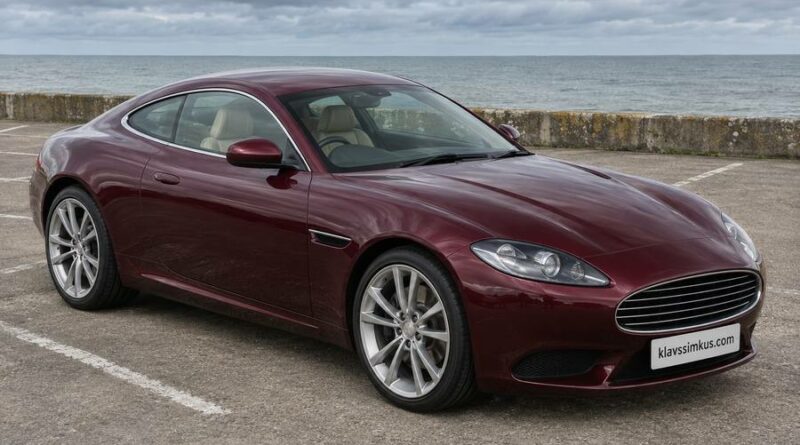
What Is a Coupé? Body Styles and Used Buying Checks
A coupé is traditionally a fixed-roof car with two side doors and a lower, sloping roofline. The name is also used for some four-door cars and SUVs with a coupé-like profile. When I’m checking a used car, I use the badge as a clue and confirm how the doors, roof and boot actually work. Those details tell you more about living with the car than the name on the advert.
What is a coupé in everyday UK car adverts?
In the usual sense, a coupé is a two-door car with a fixed roof. Cambridge Dictionary describes the familiar two-door body with seating for two or four people. Both coupé and coupe are used in English, and UK manufacturers often use the accented spelling. Some have only two seats. Others have a small rear bench behind the front seats. Check the manufacturer’s seating specification and try the actual car with the people or child seats you expect to carry.
A fixed, swept roof is the look buyers usually associate with the term. How the rear opens is a separate question. In some coupés, the boot has its own lid, while others have a hatch that lifts with the rear window. A hatch can make it much easier to load a bulky bag. Check the size of the opening and the usable space beneath the glass rather than judging the boot from a capacity figure alone.
Coupé, saloon, hatchback and SUV compared
| Body description | Typical access | What I’d check at a viewing |
|---|---|---|
| Traditional coupé | Two long side doors, usually with a fixed roof | Rear seat entry, headroom, door clearance and roof seals |
| Saloon | Four side doors and a separate boot lid | Rear access and how much of the boot opening the lid exposes |
| Hatchback or liftback | Rear hatch lifts with the glass | Boot opening, load height and space with the seats folded |
| Four-door coupé | Four side doors, with a boot lid or a liftback depending on model | Rear headroom, passenger access and exact boot design |
| Coupé SUV | SUV body with a roof that slopes towards the rear | Usable boot height, rear visibility and rear seat space |
A saloon generally has four side doors and a separate boot. A hatchback or liftback name describes how you reach the luggage space. Some models combine a long sloping roof with a large rear hatch. A convertible has a roof that opens, so I check the roof mechanism and water sealing on that version as separate items. There are also cars with a removable section of roof. Confirm the exact body in person if different versions share the same model name.
Examples of traditional and four-door coupés
The BMW 4 Series Coupé is a familiar two-door design. The 4 Series Gran Coupé uses four passenger doors and a tailgate, which changes how you get to the rear seats and load the boot. Mercedes-Benz describes both layouts in its coupé range, including the four-door CLA and two-door CLE Coupé. The advantage of reading the full model name is that you can ask the seller the right questions before viewing.
A coupé SUV applies that shape to an SUV body. The roofline can reduce rear headroom or the height available behind the rear seats. The differences become obvious when you put a tall item in the boot or ask an adult to sit in the back. If you’re comparing a coupe-styled SUV with a conventional version, try both with the same seat positions and load. A higher body can still be easy to get into, and the shape of individual door openings makes a difference.
Does a coupé drive differently?
I check the engine, transmission, suspension and tyres to understand how the car is likely to drive. A coupé can be a small lightweight sports car, a large luxury tourer or a four-door model with an otherwise similar setup to a saloon. The shape alone gives limited information about performance or ride comfort. Bring the car up to normal operating conditions on a safe drive and try it on the roads you actually use. On a car with different drive modes, see how the standard setting behaves before deciding whether you want the sports setting every day.
Take time to check wheel and tyre sizes. A car on optional large wheels can feel different over sharp edges and may cost more to re-tyre. Get the insurance quote for the exact registration and specification. If an earlier owner changed the springs or wheels, ask for the documents, check for rubbing and look for uneven wear. Include the cost of restoring it to standard if that is what you prefer. My Lexus LFA buying guide shows why a specialist coupé can call for its own body, brake and drivetrain checks.
Check long doors, frameless windows and seals
On a traditional two-door car, I check how wide the door has to open to get in comfortably. Try it with the car in a normal-sized parking bay. Look at the leading edge, hinges, latch and seal. A heavy door that drops or catches can need adjustment or point to earlier damage. Check whether the door shuts flush with the surrounding panels, then compare both sides for paint changes or marks on the visible fixings.
If the windows are frameless, use both doors and check whether the glass drops slightly and returns as designed. Check it under normal operation and listen for wind noise on the drive. Look at the seals and carpets for signs of water getting in, including the rear footwell and boot floor. Test the front seats’ tilt and slide mechanisms if that is how you reach the rear. Try the rear belts and check the seats lock securely in the positions you’ll use.
Check what fits in the back before buying
An adult can sometimes fit in the back once seated and still find it awkward to get in. I try the rear with the front seats set for the driver and usual passenger. Check knee and headroom and whether anyone can reach the belt buckle comfortably. If you regularly use a child seat, check the handbook for compatible positions and try the seat at the viewing. A deep roofline or long front door can make loading awkward even when the seat fits.
Bring the luggage or measure its widest and tallest points. A separate boot lid may offer a smaller opening than the floor area suggests. A rear hatch can offer broader access but may have a low roof and a high loading lip. From the driver’s seat, look through the rear window and mirrors. Test the reversing camera and sensors if fitted. Ask someone to check the space around the back before manoeuvring if you’re unfamiliar with the car.
Decide whether a two-seater or a 2+2 works for you
A two-seat coupé has space for the driver and one passenger. A 2+2 generally has two front seats and two smaller rear seats. Read the handbook and check what’s fitted, especially if a previous owner removed seats or used the car for motorsport. I’m looking for factory seating, accessible belts and an interior that works for the journeys the car will do. If the rear area is usually for luggage, secure what you carry and check the handbook for any limits or restrictions.
I’d compare the coupé with an equivalent hatchback or saloon on the same day where possible. Park each one in the way you normally park at home and look at what clearance you need to get in and out. If rear access is the main inconvenience, try a four-door car with a similar roofline. If you like a low seat and never carry anyone in the back, compare the front seat adjustment, the view over your shoulder and the boot opening. Buy on the layout you use rather than the number of seats you might need someday.
My used coupé viewing checklist
- Confirm the exact body, engine, wheel size and seating capacity against the advert and paperwork.
- Check hinges, latches, window operation and damp around the seals and in the boot. Ask about previous bodywork if gaps or paint vary.
- Try the rear access and luggage opening with the space you need. Compare the door clearance with where you regularly park.
- Check tyre wear, brakes and suspension and compare the service history with the mileage and the MOT history.
- Check the insurance and prices for work due on the version you’re considering. If something needs a repair, obtain an itemised quote before deciding what to pay.
I’d choose a coupé that suits my usual passengers and luggage, then compare the condition and running costs of the cars actually available. A two-door design can work well when rear access is occasional and you have room to open the doors. If you regularly carry adults, I’d try a four-door alternative as part of the same search. For a used car that is far away, or if you’re unsure about paint, alignment or previous work, arrange an independent vehicle inspection and share the details that concern you before the visit.