What Is a DPF? Regeneration, Warning Lights and Buying Checks
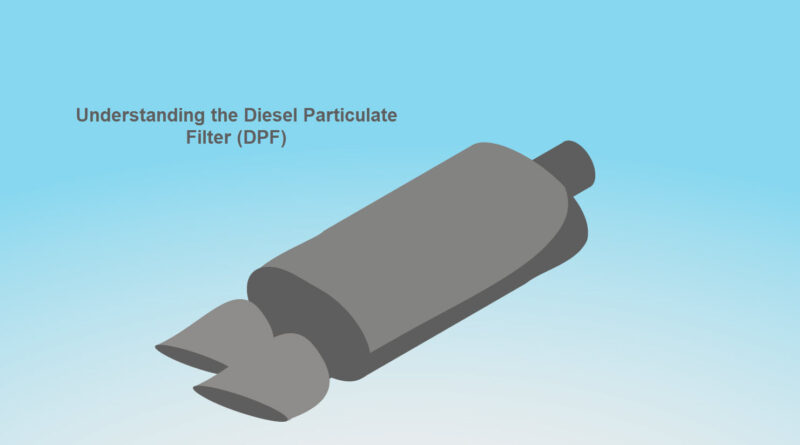
A diesel particulate filter, or DPF, traps particulate matter from diesel exhaust. Its regeneration process burns accumulated soot, but a warning light does not automatically mean the filter needs replacement. I would first identify the vehicle, read the exact message and establish what evidence supports the diagnosis. The response depends on the system, its condition and the manufacturer’s instructions.
For a used-car buyer, the practical questions are whether the equipment is present, whether warnings or repairs have been explained and whether the car suits the journeys planned. A clear dashboard during a viewing is useful to observe, but it cannot establish the filter’s full history or guarantee freedom from future problems.
What a DPF does, and what it does not do
Government DPF guidance describes a filter that removes particulate matter from diesel exhaust. Keep that role separate from other emissions equipment. A diesel can have several systems working together, so the words emissions fault do not identify a single component or repair.
Selective catalytic reduction addresses nitrogen oxides and may use AdBlue. Our AdBlue guide explains its separate tank and warnings. Adding AdBlue is not a DPF-cleaning procedure. Equally, a particulate-filter warning should not be treated as proof that an AdBlue tank or dosing component has failed.
Understand regeneration before following generic advice
The government’s regeneration explanation describes burning trapped soot at high temperature. If the process does not work properly, soot can accumulate and affect performance. That principle does not establish the exact conditions or response required by every vehicle when a warning appears.
Manufacturers describe automatic regeneration and, on some vehicles, actions needed from the driver. Read the handbook for the actual engine and message. A fixed internet prescription involving a particular speed, engine speed or duration is not a universal solution. Diagnosis may be needed before any cleaning attempt is appropriate.
Ash and soot also need distinguishing. HELLA’s technical explanation notes that ash remains after soot is burned and can require cleaning or renewal when the filter becomes saturated. Do not assume that another regeneration will remove every type of deposit or resolve a damaged filter.
Read the complete warning and assess the circumstances
Record the exact message and warning lights, including whether they are steady, flashing or accompanied by reduced performance. Ask when the symptom occurs and what happened before it. A description such as DPF light can omit information that changes the recommended action. Photographs of the display can help preserve the details.
Follow the handbook’s instructions and obtain assistance where the warning or vehicle behaviour requires it. Do not drive an unsafe car to try to clear a message. During a buying assessment, I would keep a seller’s proposed explanation separate from the observed symptoms and any workshop findings.
Why a diagnostic code is a starting point
DPF operation can involve pressure and other sensor information interpreted by the vehicle’s control system. Bosch explains the role of differential-pressure sensing in monitoring filter loading and supporting regeneration control. A code concerning that system does not, by itself, prove the sensor or the filter is the failed part.
Ask the workshop which checks support its conclusion. Relevant investigation depends on the vehicle and may include the validity of sensor information, associated pipework or other faults affecting operation. The important point is the evidence connecting the symptom to the proposed work, rather than replacing the component named first on a scan report.
A scan with no stored codes has limits too. It does not guarantee the absence of intermittent problems, earlier alterations or every mechanical defect. I would want the findings explained alongside the warning history, current behaviour and any restrictions on the assessment. Record unanswered questions rather than treating a brief scan as a certificate.
Short journeys need a vehicle-specific discussion
Journey pattern can matter to regeneration. Ford’s example handbook guidance discusses short, stop-start use and the response to a specified filter message. Use it as evidence that instructions depend on the application, not as a driving procedure for an unrelated car.
Describe your normal use honestly before buying: local trips, longer journeys, idle periods and expected loads. There is no single annual-mileage figure that decides every diesel purchase. Our diesel keep-or-sell guide puts journey suitability alongside condition and replacement costs rather than judging the decision from one warning alone.
Treat regeneration heat and workshop procedures seriously
The Ford guidance warns that regeneration creates high exhaust temperatures and that combustible material beneath the vehicle can present a fire risk. Keep clear of hot exhaust components and follow the vehicle’s safety instructions. A recently stopped engine does not mean the exhaust is immediately safe to touch or work around.
Workshop-assisted regeneration needs the correct equipment, checks and conditions. It is not automatically the next step for a heavily loaded or faulty system. Ask why the proposed procedure is suitable and what prevents the problem returning. Do not initiate an unfamiliar service function during a casual viewing or copy another model’s reset sequence.
What to ask about cleaning or replacement claims
If the seller says the DPF was cleaned, ask when, by whom and what the invoice records. Establish whether the work included investigation of the underlying concern and what evidence showed the result. A receipt for a bottle of treatment is different from a documented workshop assessment and completed repair.
For replacement, confirm the part specification and work carried out. Government replacement-filter guidance describes type-approval requirements for applicable vehicles. A cheap advertised part should not be assumed suitable simply because it appears to fit. Obtain vehicle-specific advice and a clear quotation before committing.
A DPF delete is not a repair shortcut
The government guidance explains that removing an originally fitted DPF results in an MOT failure and will almost invariably make the modified vehicle illegal for road use. A claim that deletion saves repair costs does not resolve the emissions or buying risk. I would investigate evidence of altered equipment before purchase.
The DVSA MOT manual treats missing, obviously modified or defective emissions equipment and evidence of DPF tampering as failures. It also recognises that a cut-and-rewelded housing needs an explanation, such as documented cleaning. Do not diagnose deletion from a weld alone without considering the evidence.
Use MOT and compliance records within their limits
Read the recorded results and any relevant emissions observations, then compare them with current condition and repair evidence. Our MOT-history guide explains why a past pass is not a general mechanical warranty. It cannot guarantee that every concealed alteration or intermittent fault has been identified.
A Euro emissions classification or positive zone-check result does not establish the present condition of the DPF. Use our Euro 6 checking guide for the separate approval and scheme questions. Keep identity, recorded compliance and physical condition distinct when deciding whether the vehicle is a sound purchase.
Keep maintenance and journey evidence together
Review maintenance records against the requirements for the engine, including the specified oil and relevant scheduled work. Do not assume a stamped service entry documents every operation. Ask about repeated warning visits and whether the same concern returned after each intervention. That sequence can be more informative than an invoice viewed on its own.
Write down what remains unverified before deciding how much confidence to place in the repair history. For example, a seller may have evidence of filter cleaning but no explanation of a recurring warning. Those facts should remain separate. The cleaning claim does not resolve the warning, and the warning alone does not prove the cleaning was never completed. Ask which further assessment would answer the remaining question before negotiating around an assumed repair.
Questions I would put to a used-diesel seller
- What exact filter warning has appeared, and when?
- Are diagnosis, cleaning or replacement invoices available?
- Did the workshop explain the cause and confirm the completed work?
- Has any exhaust or engine-control equipment been modified?
- Does the car’s maintenance record match its engine requirements?
- Will appropriate independent assessment be allowed before payment?
Keep the answers with the advert and viewing notes. If a repair is promised, agree what evidence will be available before collection. Do not let a fresh MOT, a cleared display or the distance already travelled to view the car make a significant unanswered question seem less important.
Turn the findings into a practical decision
Separate a confirmed repair need from a symptom still awaiting diagnosis. Ask for a quotation that identifies the work, parts and relevant conditions. There is no reliable universal DPF repair cost covering cleaning, associated faults and replacement on every model. Compare the actual vehicle and evidence with suitable alternatives.
An independent vehicle inspection may help assess accessible condition within an agreed scope. Detailed DPF testing, dismantling or workshop procedures require appropriate arrangements and should not be assumed included. A general assessment cannot guarantee every hidden fault or predict the filter’s remaining life.
Sources checked: 7 November 2026. Government, manufacturer and component-supplier guidance is linked above. The principles support a buying decision; follow the current instructions for the particular vehicle, warning and repair.