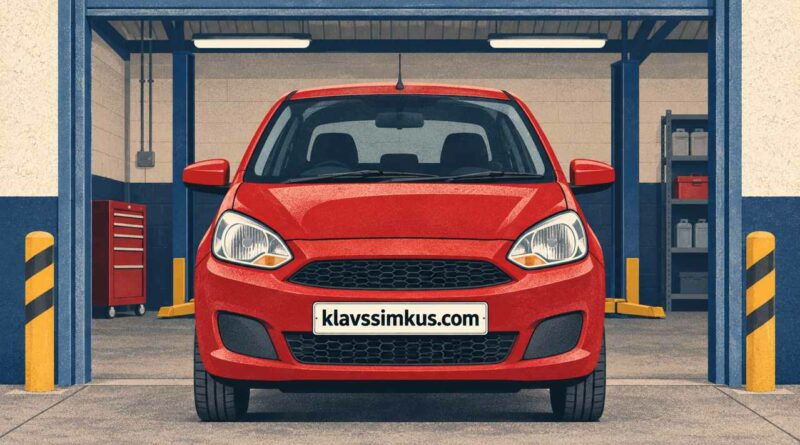
What Is a Three-Door Car? Hatchbacks Explained
A three-door hatchback has two side doors and one tailgate at the back. The tailgate lifts with the rear window to open the luggage area. Rear passengers normally get in through a front door after the front seat is moved forward. When I assess one for a buyer, I check how those doors, seats and latches work and whether the layout fits the everyday journeys the car will actually do.
Why the tailgate counts as a door
The third door is the hatch at the back of the car. It opens into the luggage area, which is part of the same interior space as the passenger cabin. A conventional saloon has a separate boot lid and fixed rear glass. That is why a saloon with four side doors is usually called a four-door car, while a hatchback with four side doors is called a five-door car.
On a three-door hatchback, the tailgate gives access to luggage. Passengers use the side doors. At a viewing, I open each side door, move the front seat as intended and check how easily an adult can reach the rear. It is worth doing this on both sides because the mechanisms or available space can differ.
Three-door and five-door cars compared
The main difference is access. My five-door hatchback guide explains what to check on the four side doors and tailgate before you buy. In a three-door car, opening the front door and moving the seat adds a step each time you use the back. The seats and boot can also differ between variants, so check the dimensions and equipment for the car you are considering.
A longer side door can need more space beside the car. Try opening it in a space similar to where you park at home. If the door cannot swing far enough, check whether you can get in comfortably and whether a rear passenger can get past the front seat. I would try the layout with the people who will use the car regularly.
Examples to look for in UK used adverts
MINI lists both a Cooper 3-Door and a Cooper 5-Door. Compare the pages for the same engine and model generation if you want to check the measurements. Ford’s 2017 Fiesta specification also lists three-door and five-door versions. A model name in an advert does not establish which body you are viewing.
Check the photographs for rear side doors, then confirm the body style, number of seats and exact derivative with the seller. My used Audi A1 guide covers checks for early three-door models and the Sportback. My used Ford Fiesta guide covers engine, gearbox and condition checks once you know which car you are looking at.
Test the front doors and check how they fit
Open each front door and close it gently. Check that it latches consistently, sits level with neighbouring panels and does not need lifting to shut. Inspect the visible hinges, latch area and seals for damage or previous work. If the gap changes along the door or the edge rubs, ask whether there has been an impact or an adjustment. A repair invoice and photographs can help explain what was done.
Check the inside and outside handles, windows and central locking. If a window hesitates or does not close against the seal, ask for the cause to be diagnosed. Look for wind noise or water marks if an insured test drive or further viewing is available. Check the sill below the door for damage and wear, especially where people step through to reach the back.
Check the seats and rear access
Move each front seat using the release intended for rear access. Ask the seller to show how it works if you are unfamiliar with it. Check that the seat locks securely when it returns and that the backrest stays in place. If a release sticks or the seat does not lock, arrange a professional check before relying on it. Look at the rails and trim for signs of damage where they are accessible.
Sit in the rear with the front seats set for the usual occupants. Check headroom, foot space and how easy it is to get out. Confirm how many rear seating positions and belts the car has. If you need a child seat, check the UK child car seat rules, the vehicle handbook and the seat manufacturer’s compatibility guidance. With the seller’s permission, try the approved seat in the intended position.
Try the tailgate and measure the opening
Open the tailgate, check that it stays supported and confirm that it latches without excessive force. Look for damp under the boot floor and staining near the seals or adjacent trim. If you need to carry a pushchair, a folding bike or a work bag, check the opening and the loading height. Boot volume in litres gives a starting point, while the shape of the opening can determine whether an item fits.
Check that the parcel shelf is present if it was included in the advert and try the folding rear seats. When the seats are back up, verify that they latch properly. Ask whether you can load your usual equipment before committing. Note if any item would obstruct the view or need securing, and check the handbook for load guidance.
Try the layout on a normal day
Think about who gets into the back and where you will park. If you mostly drive alone, the additional step may rarely matter. If you regularly collect passengers or load a child seat in a narrow bay, try those tasks before buying. Ask the seller if you can reposition the car in a suitable space. Check that the door opens far enough without getting close to the vehicle beside you.
Rear passengers should try getting out with the front seats in their normal positions. For someone who needs more room to turn or has limited mobility, a short practice can be more informative than a measurement in the brochure. Try both sides if the car will be used in different parking situations. Use a safe area away from traffic for the check.
Check wear where passengers climb through
A three-door car can show wear around the front seat bolster, the release handle and the trim at the rear of the doorway. Look for loose pieces or damage that might interfere with the belt or seat mechanism. Ask for a demonstration of the release on each side. If the seller has already fixed it, ask for the invoice and check how it works now.
Move the seat only as intended and confirm it is secure before driving. If you find damaged belt webbing, a warning light or an unreliable latch, ask for a professional assessment. When the seller offers to repair it, agree the work in writing and ask for the job sheet before collection. Use the paperwork and a demonstration to confirm the result.
Compare the exact adverts before setting a budget
Compare cars with the same engine, gearbox and approximate age where possible. Check the price of examples in both body styles and account for the mileage, service records and work due. A better equipped car can still be a poor fit if the rear seats are hard to reach. Write down which differences affect your use and check the condition before assigning a value to them.
My used car price comparison guide shows how I keep the search fair when the adverts describe different specifications. If a door or tailgate needs work, ask for a written estimate for the part and labour. An issue with the trim may cost less than damage to the hinge area. Ask the workshop to identify the cause before using the estimate to negotiate.
Check insurance for the individual registration if you are choosing between a three-door and five-door model. The quote reflects the actual vehicle and driver details. Use the real figure in the comparison rather than guessing what the door count will do to the premium. If both cars suit your budget, base the decision on how easily the layout works for you and the condition you can verify.
My three-door used car viewing checklist
- Confirm there are two side doors and a tailgate, and check the number of seating positions.
- Try the doors in a space comparable to your usual parking spot.
- Check both front seat releases and confirm the seats lock when returned.
- Try the approved child seat or equipment you expect to carry.
- Look for damaged hinges, unreliable latches, damp trim or evidence of repairs.
- Check the tailgate opens high enough in your garage, and measure the opening with the rear seats set as they will usually be when you carry luggage.
Before paying, agree the scope of a vehicle inspection. Ask what can be checked at the viewing and whether anything needs a workshop. If the seller says a door or seat release will be repaired, ask who will do it and how you can check that it works before you collect.