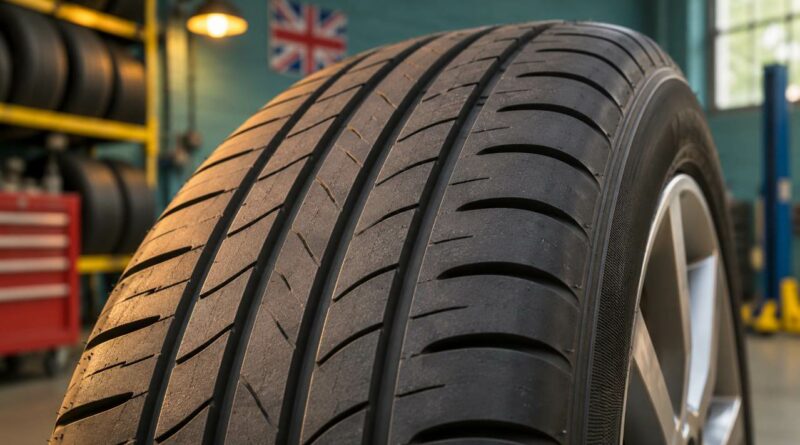
Car Tyre Types and Tread Patterns Explained
When I check tyres on a used car, I look at the sidewalls, fitting and condition before judging the tread pattern. Start with the size and specification approved for the car. Then choose a tyre suited to the roads, weather and loads you expect. The markings and wet grip label tell you more about a specific tyre than the shape of its grooves alone.
Choose tyres for the journeys you make
Summer, all-season and winter describe the conditions the tyre is designed for. Run-flat describes a construction feature. A tyre can be a summer model and also have run-flat construction. Performance and all-terrain designs serve other needs. When choosing a replacement, separate the job you need it to do from the size and fitment requirements the car manufacturer specifies.
- Summer tyres are designed for regular road use in milder and warmer conditions. Compare the wet grip rating for the exact size if most of your mileage is on wet roads.
- All-season tyres are intended for a wider range of temperatures. Check the model’s markings and test results if you expect snow.
- Winter tyres are designed for cold conditions and winter surfaces. Check the rules for each country and route if you drive abroad.
- All-terrain and performance tyres serve different priorities. Check whether the exact model suits your normal roads, noise expectations and intended use.
The three peak mountain snowflake symbol, often shortened to 3PMSF, is useful when comparing winter capability. Continental’s guide to all-season tyres explains the markings it uses. If a route has winter equipment rules, check what that jurisdiction accepts and whether there are extra requirements for snow chains or for particular roads.
How to read symmetric, asymmetric and directional tread
A symmetric tread has the same basic design on both halves. An asymmetric tyre uses different inner and outer sections, and its sidewall usually tells the fitter which side faces out. A directional tyre has a prescribed direction of rotation, marked by an arrow on the sidewall. The AA’s guide to directional and asymmetric tyres explains how the two fitting instructions differ.
If you are assessing a used car, look for the word Outside on an asymmetric tyre and check the rotation arrow on a directional one. Ask a tyre fitter to confirm the orientation if you are uncertain. If a wheel has been moved from one side to the other, the direction can change. Check the tyre’s markings before moving any wheel and follow the vehicle handbook.
A visible V pattern can help you recognise a directional design, but two different tyres with similar grooves can perform differently. Compound, construction, size and condition also matter. If you are comparing tyres, use results for the exact model and size wherever possible. A test of a different size or version gives you less information about the tyre being offered.
Read the whole sidewall before ordering
Take a photograph of the full size and service description. As an example, on a tyre marked 205/55 R16 91V, 205 is the nominal section width in millimetres, 55 is the aspect ratio, R indicates radial construction, and 16 is the rim diameter in inches. The last figures and letter indicate load index and speed rating. Check them against the handbook or the manufacturer’s data for your car.
Use the vehicle’s approved specification even if you find a different size already fitted. Some cars have different front and rear sizes, and some require particular load ratings or approvals. If an axle has a mixture of tyres, ask a fitter to check compatibility and compare the condition and wear. Follow the vehicle maker’s requirements, particularly for four wheel drive, where differences in rolling circumference can matter.
Check what run-flat capability applies
If the car was supplied with run-flat tyres, check whether it still has them and what the handbook says about replacements. With a pressure warning or a suspected puncture, follow the car and tyre makers’ instructions for the exact combination. Any permitted distance and speed depend on the tyre and circumstances. A generic mileage figure can give the wrong answer. Have the tyre assessed if it has been driven with a loss of pressure.
If you are considering changing the tyre construction, ask about the car’s approved fitments and its arrangements for a puncture. Check whether it carries a usable spare wheel, a current sealant kit or another manufacturer specified option. My punctured tyre repair guide explains what I would ask a fitter after using a temporary mobility kit for assistance.
What the UK car tyre tread limit means
The Highway Code’s vehicle maintenance guidance gives a 1.6 mm minimum for car tyres across the central three quarters of the tread around the entire circumference. Use a tread depth gauge to check the main grooves at several points. One reading at the easiest point to reach gives limited information about the rest of the tyre.
Look for uneven wear, cuts, bulges and exposed cords. If you find a bulge, exposed cords or damage that could affect safety, arrange professional assessment before driving. On a used car, pay attention to the inner shoulders and ask for a workshop check if you cannot see them. My used Ford Focus guide explains how I look at tyre wear alongside suspension and steering symptoms.
Compare the label and the fitted price
The government’s tyre labelling guidance explains the information provided for fuel efficiency, wet grip and external rolling noise. Use the label alongside your fitment requirements and the conditions you drive in. The external noise figure describes noise outside the vehicle. Cabin comfort and behaviour on your usual roads may differ between tyres with similar labels.
Ask for the full fitted price and find out whether it includes balancing, valves, disposal and any work needed on the tyre pressure monitoring system. If tyres are wearing unevenly, ask for a check of pressures, alignment and suspension condition before booking more work. An alignment reading helps when it forms part of an assessment of the vehicle and the wear pattern.
Look at wear before assuming it is an alignment problem
Take readings from the inside, middle and outside of each tyre where accessible, then compare both tyres on the axle. Write down the lowest reading and its position. A tyre worn heavily on one edge may prompt checks of pressure, alignment or suspension, but the pattern alone cannot identify the cause. Ask for any previous alignment printout and find out whether the garage checked for worn parts before making adjustments.
If an MOT advisory mentions a tyre, ask what was fitted afterwards and look at its condition now. A tyre replaced on one side may be explained by a puncture or damage, while repeated wear on the same corner needs investigation. If the seller says the issue is fixed, ask to see the job sheet and check whether the work and date match the history.
Check the age and condition of low mileage tyres
Look for the date marking on the sidewall. The four digits at the end of the date code indicate the week and year of manufacture. If the marking is on the inner side, ask a tyre fitter to find it safely. Check the manufacturer’s advice on service life and inspections, and examine the tyre for cracking or deformation. A low mileage car can still have tyres that merit closer assessment.
Look at the spare as well if the car carries one. Check its pressure, specification and condition according to the handbook. A temporary spare may have its own limits. If a car has a sealant kit, check the expiry date and the instructions. Find out whether the kit is suitable for the type of damage before assuming it will get you home.
What to ask the fitter before you order
Send the fitter the vehicle details and photographs of the markings. Ask them to confirm the exact model and size to be supplied, the approved pressures and whether the vehicle needs a pressure monitoring reset. If you regularly carry a heavy load, tell the fitter and check the manufacturer’s figures for that use. Ask how they will record the fitted specification on the invoice.
My tyre checks before buying a used car
- Confirm the approved size, load index and speed rating.
- Read the sidewall markings and check the fitting direction where applicable.
- Inspect the tread and sidewalls, including the less visible inner edges.
- Ask what caused uneven wear and check invoices for any related work.
- Price suitable replacement tyres, including fitting and any other work due.
- Check the receipt after fitting and keep it with the car’s service records so the next buyer can verify the specification.
Check the pressures when cold against the manufacturer’s figures for the car and its load. Ask the seller about repeated pressure warnings or a wheel that needs topping up. If you are arranging a vehicle inspection, agree what tyre and wheel checks are included. A tyre fitter can assess damage or verify compatibility if the specification is unclear.