Can a Punctured Tyre Be Repaired? UK Guide
A punctured car tyre may be repairable if the damage is small, in the permitted central tread area and the tyre is sound inside and out. I would have a tyre technician remove it from the wheel and inspect it before deciding. A nail head or a slow leak gives you limited information about what happened below the tread, especially if the car was driven with low pressure.
Get to a safe place if a tyre loses pressure
If the car starts to pull, you hear a change in noise or a tyre pressure warning appears, slow smoothly and stop in a place of relative safety. The Highway Code breakdown guidance explains where to stop and what to do on a motorway or other high speed road. Avoid working beside fast traffic. Follow the guidance for your location and contact breakdown assistance if needed.
If the tyre looks flat, has a bulge or shows damage to the sidewall, arrange help before driving. If the vehicle was supplied with a run-flat system or a temporary spare, check its handbook for the exact conditions and limits. I would avoid relying on a generic distance. Damage, loading and the tyre fitted can affect what you can safely do.
What makes a puncture suitable for repair?
The British Tyre Manufacturers’ Association says some minor car and light van tyre damage can be repaired to the current BS AU 159 recommendations, principally small punctures in the central tread. It describes punctures less than 6 mm across as examples. The technician checks the actual injury, permitted repair area, tyre specification and condition before approving the work.
A visible nail in the tread may look straightforward. The injury may run at an angle or have damaged material you cannot see. Ask the technician to check inside the tyre as well as outside. Let them know how far the car was driven after the warning and whether the tyre was repeatedly inflated. The repairer needs that information when deciding whether the tyre is suitable.
When the technician is likely to recommend replacement
The shoulder and sidewall fall outside the normal minor puncture repair area. TyreSafe’s puncture guidance also describes conditions that can rule out repair, including casing damage, exposed cords, certain cuts, damage from incorrect inflation and unsuitable earlier repairs. A tyre already below the legal tread limit is unsuitable. Tell the fitter about other punctures or recent impacts, even if they occurred away from the visible damage.
A tyre that has been driven with too little pressure can be damaged internally. When the fitter recommends replacement, ask what they found and where. If there is damage to a wheel or valve as well, ask the fitter to price that separately. Check whether the cause could have affected another tyre or whether the other tyres need to be inspected.
How a workshop checks a punctured tyre
The technician locates the leak, removes the tyre from the wheel and checks the inside, outside and injury. They can then decide whether a repair to the standard is possible. Ask what type of repair they propose and whether the price covers refitting, balancing and any valve work. If they find a leaking valve or a damaged wheel, the appropriate work will differ from a tread puncture repair.
If a tyre continues losing pressure after being fitted, have it rechecked. Tell the fitter how quickly it drops and whether it started after a pothole or after recent tyre work. A pressure warning tells you there is something to check. Record the conditions rather than assuming the same puncture has reopened. Check cold pressures according to the handbook for the vehicle and its load.
What to do if you have already used sealant
If you used a manufacturer supplied mobility kit, tell the technician what was used and how far you drove afterwards. Follow the kit and vehicle instructions for any temporary use and contact the fitter promptly. Ask whether they can inspect and clean the tyre and whether the sealant affects the decision to repair. If you have had a temporary external plug fitted, tell the workshop that as well.
Check whether the car actually has a kit, a spare wheel or run-flat tyres before a long trip. If it has a kit, check the sealant expiry date and the instructions. A temporary spare may have separate limits. If the equipment is missing or the tyre damage is beyond what the handbook allows, arrange assistance and let the fitter know which wheel needs attention.
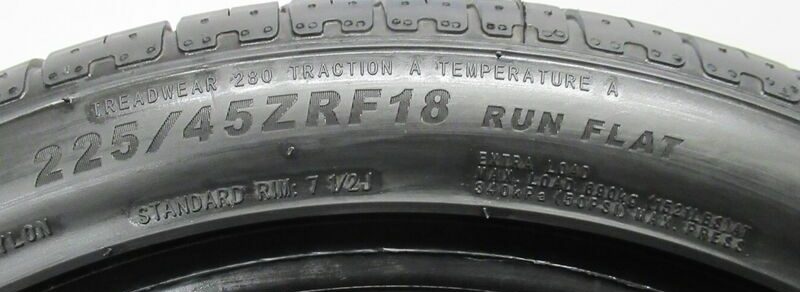
Run-flat tyres need a model-specific decision
Read the sidewall markings and look up the tyre maker’s guidance for the model. Ask the fitter to check the tyre’s construction and any repair restrictions. Tell them about pressure warnings, the estimated distance driven and the driving conditions. Even if the tyre still looks upright from outside, the inside needs an assessment before you assume it can return to use.
If the tyre needs replacing, ask the fitter to match the car’s approved specification. My car tyre types guide explains how I read sizes, load and speed ratings and fitting markings. Ask whether differences in wear or rolling circumference matter for the vehicle, particularly on four wheel drive. Have the fitter explain whether any other tyres need work and why.
What the position of the damage tells the fitter
When you call the fitter, describe whether the mark sits in a main groove, near the shoulder or on the sidewall. A photograph showing the entire tyre and a close view can help the fitter understand the location. Leave an embedded object in place for the technician to examine. If the wheel is difficult to reach or the car is in an unsafe position, wait for assistance before taking photographs.
Ask whether the fitter wants you to bring the vehicle or can send a mobile technician. Explain the symptoms so they can advise on moving the car. If the tyre is unsuitable for use, ask about recovery, a mobile appointment or a suitable spare used according to the handbook. Arrange a replacement in advance if the car takes an unusual tyre size and you need it quickly.
Compare the repair and replacement quotes
A tyre repair quote can cover the assessment, repair, refitting and balancing. Ask whether there is a charge if the tyre is removed and found unsuitable. If the fitter recommends replacement, confirm the exact size, load and speed ratings and any requirements for run-flat or reinforced construction. Ask for the total fitted cost and check whether valves, disposal and any pressure monitoring work are included.
If the puncture followed a pothole or a kerb strike, ask the fitter to inspect the wheel and the adjacent sidewall as well. A fresh tyre can still lose air if the wheel or valve leaks. If there is vibration afterwards, explain when it started and ask for an assessment before ordering more parts. Keep the tyre and wheel findings together so you can follow up the original cause.
Record what happened before the warning
A slow leak can be easier to track if you record which tyre was affected, its pressure when checked cold and how quickly the reading fell. If a tyre has been driven soft, estimate the distance and tell the fitter. The information is useful even when the tyre reinflates and holds pressure long enough for an appointment.
If the warning first appeared after the wheels were moved or replaced, mention that when booking. Ask the fitter to check the tyres and valves and follow the vehicle’s procedure for the monitoring system. The dashboard display is a starting point. Inspect the tyre and find the source of the pressure loss before relying on the warning clearing.
Check tyre repairs when buying a used car
Ask for invoices for repaired tyres and look for repeated pressure warnings. Check tread depth and inspect the visible sidewalls. Look at the inner edges where accessible. If a seller says the tyre has already been fixed, ask who repaired it and what work the invoice records. If the source of a leak is still unknown, have it investigated before deciding whether you can drive the car home.
- Confirm which tyre loses pressure and how quickly.
- Tell the fitter about running flat, impacts, sealant and previous repairs.
- Ask for an internal inspection before agreeing to a permanent repair.
- Get the full price for repair or a suitable replacement, including fitting.
- Keep the job sheet with the vehicle records.
- When the car comes back, check the invoice identifies the wheel and the work completed, and ask when the fitter wants you to recheck the pressure after normal use.
If you are buying the car, agree what tyre and wheel checks are covered by a vehicle inspection and what needs a tyre fitter. If the seller offers to fix the fault before collection, ask for the repairer’s written diagnosis and itemised invoice. That gives you something to check against the tyre and wheel fitted when you take delivery.