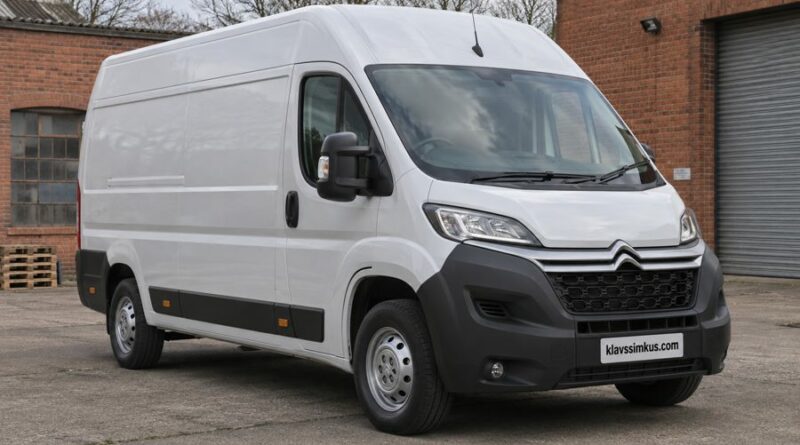
Citroën Relay and Jumper Problems and Used Van Buying Guide
When I look at a used Citroën Relay, my first questions are what it currently weighs, what it has carried and what work has already been done to the engine. The same large van is known as the Jumper in other markets, so both names turn up when buyers search for faults or parts. I use the registration, VIN, engine and body details to establish which vehicle I am looking at before applying a generic list of Citroën Relay or Jumper problems.
For most buyers, I would put three things first. A load bay or conversion must suit the job. The engine and gearbox should behave consistently from a cold start to the end of a proper drive. Finally, there should be enough evidence to price any work the seller has left outstanding. A short drive and a clean cab tell you little about a van that will spend the next year travelling loaded or carrying a camper conversion.
Confirm the UK model, engine and body type
Citroën’s UK model-year 2024 guide uses the Relay name for the diesel and ë-Relay for its electric counterpart. If an advert uses Jumper, check whether it is using the overseas name for convenience or describing an actual import. Ask for the registration and verify that the visible VIN matches the paperwork. Confirm the exact engine, emissions equipment and transmission before looking for a service schedule. Even two similar-looking UK vans can need different parts.
A panel van, tipper, dropside and camper conversion call for different checks. Ask for the body length and roof height, then measure the actual opening and floor at the viewing. Include vents, racks and other exterior fittings when checking overhead clearance. If payload matters, check the plated limits and get the weight of the van as equipped. Factor in people, fuel, tools and removable equipment. On a camper I also ask how the quoted weight accounts for water tanks, batteries, furniture and everything that will be carried on a trip.
Diesel cold start, boost and cooling checks
Ask the seller to leave the engine cold. I look for an easy start, an idle that settles and any warning that remains on the dash. If there is smoke or a rough idle, I note how long it lasts and whether it appears again on a warm restart. Ask what the garage tested before assuming a particular injector or fuel component is responsible. A history of parts being changed with the same symptom returning would make me want a fresh diagnosis before I bought it.
On the road I look for consistent power under moderate load. A hiss or hesitation can lead to checks of connections, boost pipework and sensors as well as the turbo itself. If the seller says the turbo has already been replaced, ask what led to the replacement and whether the workshop confirmed the original fault had cleared. I also read the service invoices in mileage order and ask a dealer or competent specialist to confirm the timing requirements for the specific engine. A stamped service book may help establish dates, while the invoices tell you what the garage actually did.
Check for dried coolant staining from a safe position and ask about any previous overheating or regular top-ups. A normal temperature reading on a short drive does not resolve unexplained coolant loss. Ask for the diagnosis and test result if a cooling part was changed. Before committing to a van that will tow, carry a heavy conversion or cover sustained motorway distances, I would want recurring loss assessed by a workshop.
AdBlue, DPF and emissions warnings
Ask how much of its previous working life the Relay spent driving between short stops, on long routes or idling on site. Then read the invoices for anything related to the diesel particulate filter, exhaust gas recirculation or AdBlue equipment where fitted. A previous forced regeneration can be part of legitimate workshop work. Several repeats, or the same warning appearing again after a repair, are reasons to ask what the garage found and whether the underlying issue was resolved.
I record dash messages as they are displayed and note whether they came up during starting, driving or a warm restart. In inspection work I use diagnostic data alongside what I can see and reproduce. A fault code can provide a starting point for further checks, and a written diagnosis should explain the evidence for the work being quoted. If a seller suggests that an unresolved emissions warning only needs a long drive, I would want the fault investigated before buying the van for that very purpose.
Clutch, gearbox, steering and brakes
On a manual I check reverse and first when manoeuvring and repeat those checks after the drive. I listen for any noise that changes with gear selection or clutch pedal movement. If the revs rise without the expected increase in road speed during ordinary acceleration, I would get the clutch assessed. Ask about previous towing and look for invoices for clutch, flywheel and transmission work. For an automatic, confirm the gearbox type and try both forward and reverse engagement when warm. Persistent shudder, loss of drive or a warning needs diagnosis.
Before setting off, look at the tyres and visible wheel condition. Check the GOV.UK MOT history for repeated advisories about uneven wear, corrosion or suspension. During a lawful and safe test drive, note repeatable knocks, steering pull or brake vibration. A loose jack, shelf or item in the load bay can travel through the floor and sound like suspension. If the van feels unsafe or displays a serious brake warning, stop the test and have it assessed. I would ask for evidence of any claimed repair to a repeated advisory.
Check the conversion and load bay in person
Open every door and try both keys. Watch for binding at the track or the hinges and look at the floor around the load restraints. Lift loose mats where you can and look for damp near the rear threshold and around roof or wiring openings. If a lining is new, ask whether the seller has photographs of the original floor. I also check whether the doors will open at the buyer’s normal loading point. A high roof or a useful internal length may come with a door layout that is awkward at a tight delivery bay.
- Measure the narrowest usable width with racking and lining installed.
- Ask for converter documentation and a safe demonstration of powered equipment.
- Check whether the asking price includes racks, cables or the conversion equipment in the photos.
- Try the lights, heater, mirrors, instruments and parking aids you will rely on.
On a camper conversion, ask who carried out the work and what documentation is supplied for the added electrical or other systems. Have anything that affects safe operation checked by the relevant specialist. I also ask the seller to demonstrate access to storage, belts and any seats intended for travel. When comparing two vans, take the same measurements and use the same load assumptions. That makes the difference between the paper specification and the way you will actually use it much easier to judge.
What changes for an electric ë-Relay?
The model-year 2024 UK guide describes a 110 kWh version. Earlier and later specifications can differ, so check the exact battery, charging capability and everything included with the used van. Ask for a recent battery health report carrying the date, mileage and specific vehicle details. Check the remaining warranty in writing. If a route depends on public charging, try a compatible charge point with the seller and check that there is practical access for a vehicle of that height and length.
Use the real route to assess whether the van fits, allowing for weather, driving speed and the equipment normally carried. Treat the dashboard estimate as a clue to recent use. A repeated charging warning or suspected damage near the battery area needs specialist investigation before purchase. Ask about availability and lead time for any work that could keep the van off the road, especially if it is your only vehicle for the job.
Repair estimates and my buying decision
Use the official recall checker and confirm any uncertainty with Citroën against the VIN. Ask whether VAT is included in the sale price and request written estimates for known jobs, itemising parts, labour, diagnosis and VAT. Keep unresolved warnings separate until a garage can identify the likely work. If the seller offers to repair something, agree exactly what will be done and arrange time to reproduce the original test before collection.
I would buy the Relay whose records support the mileage, whose load area suits the work and whose road behaviour I can verify. My Vauxhall Movano buying guide covers another large van to compare, and my Nissan NV400 buying guide covers an older alternative. Once a particular Relay or Jumper makes the shortlist, a vehicle inspection can help you understand its actual condition before you pay.