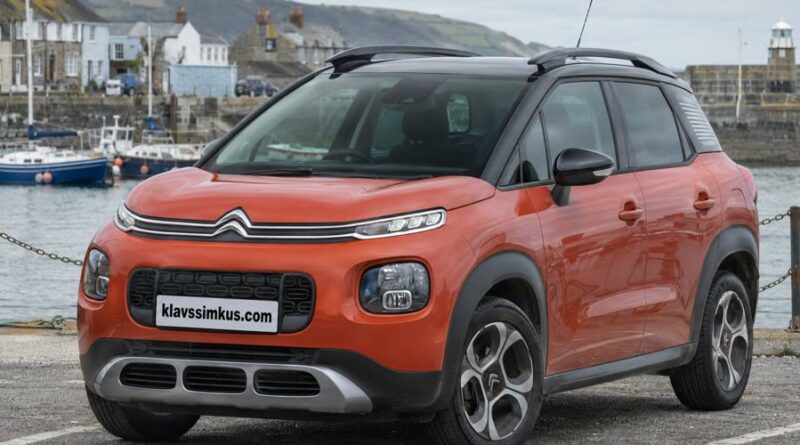
Citroën C3 Aircross Problems and Used Buying Guide
The first checks I make on a used Citroën C3 Aircross depend on the engine. On an older 1.2 PureTech I want to know what oil was used and what the paperwork says about the timing belt. On a 1.5 BlueHDi I check the camshaft-chain campaign against the VIN. On a newer electric ë-C3 Aircross I ask for battery evidence and a charging demonstration. Starting there makes a list of Citroën C3 Aircross problems far more useful when you have an actual car in front of you.
I also ask what you want from the car. The original model makes sense if you want a small, upright family car. A later model may suit you if you need more space or a different powertrain. Before paying extra for a particular trim or advertised seat layout, check the actual car and have the people who regularly travel with you try it.
Identify the generation and engine first
An advert may simply say C3 Aircross, petrol automatic or seven seats. Ask for the registration and exact powertrain. At the viewing, confirm the visible vehicle identification number against the paperwork and the service records. Citroën’s UK announcement for the newer C3 Aircross describes a larger model with petrol, hybrid and electric powertrains and up to seven seats in the range. That does not establish which seats or powertrain are supplied on an individual used car. Ask for photos of the relevant equipment before travelling.
For an older car I would ask what trim and gearbox it has and whether the early service records are still available. If two cars appear to have the same engine, use the VIN to get the right service schedule. The generation, engine code and build date matter when you want to check timing work or order parts. Confirm a retrofit or replacement engine against the invoices, especially if the previous owner has relied on parts listings for a different version.
What to ask about on an older PureTech petrol
Where a timing belt runs in oil, I want the service invoices rather than a general claim that the oil was changed every year. Look for the oil specification, dates and mileages, plus evidence of any belt inspections or replacement. If the belt was changed, ask what else the workshop checked and what prompted the work. If the seller cannot demonstrate the maintenance history, arrange for a competent garage to assess that engine and confirm the correct schedule before you price the work.
Citroën has a UK support page for previous generations of PureTech engines covering certain timing-belt degradation and oil consumption issues, subject to its terms. I would check the exact engine, dates and eligibility with Citroën before assuming any assistance is available. Ask whether the seller has needed to top up the oil frequently and whether a garage has looked into it. A fresh service invoice is useful, but if the car has needed regular top-ups then I still want to understand why.
Ask the seller to leave the engine cold. I listen for a persistent unusual noise, watch whether the idle settles and note any warnings that stay on. During an ordinary drive I check for repeated hesitation under light load and test again once warm. If an oil-pressure warning appears, stop safely and have the car assessed. A short drive cannot confirm the condition of all the internal components. What it can show is whether the evidence justifies further testing before you agree to buy.
BlueHDi diesel chain, AdBlue and DPF checks
For a 1.5 BlueHDi, use Citroën’s diesel campaign information and ask the retailer to check the VIN. Ask whether work was required, whether it was completed and what evidence is recorded. The manufacturer describes a staged approach, so keep a record of what was checked and when. If a seller says an earlier invoice proves the issue was addressed, look for the vehicle details, parts fitted and the reason for the work.
I also ask how often the car covered short journeys and look for previous AdBlue, exhaust sensor, EGR or DPF work where fitted. A dashboard warning can relate to several parts of the system. If it returned after a reset or regeneration, find out what was tested before the seller or a garage puts a price on it. The useful information is when it comes on, whether the car loses power and what happened after the last repair. If it appears consistently, have it diagnosed before you plan to use the car for regular trips.
Drive the manual, automatic or hybrid as you will use it
On a manual I check reverse and first gear during low-speed manoeuvres, then repeat the same checks once warm. I note any repeatable shudder and whether the engine speed rises without the expected increase in road speed under ordinary acceleration. If you are trying an automatic, confirm which transmission it has and see how it engages in both directions. A repeated delay, pronounced vibration or a warning should be investigated. Ask for any gearbox maintenance or software evidence relevant to the car.
On a hybrid I include gentle acceleration, slowing and a warm restart in the test. Watch the dash and check whether drive is predictable. Engine speed can change as the system switches how it delivers power. A loss of drive or warning that keeps returning needs further investigation. I compare similar cars on a similar route when a buyer cannot tell whether a behaviour is typical. Check the tyres for uneven wear and listen for recurring suspension knocks. If braking or steering feels unsafe, stop and have the car assessed.
Cabin, seating and daily use
Sit in the back with the front seats in their usual position, then try the boot with the parcel shelf in place. I check seat releases, belts and locks and look for damp under loose boot mats. If you expect to use a third row, try access with the second row set up for your usual passengers. Bring the child seats or luggage you use regularly when practical. A seat count tells you how many people can sit in the car, while a practical test tells you what space is left when everything is in use.
- Try the infotainment after start-up and again after a warm restart.
- Check the parking sensors, rear camera, windows and mirrors on the exact car.
- Try the air conditioning, heater and fan at several settings.
- Test both keys and ask about past repairs around doors, bumpers and tailgate.
Electric ë-C3 Aircross checks
Confirm the battery and charging specification of the individual car. Ask for a battery health report that shows the date, the test method and the car’s mileage. Verify the warranty terms and remaining cover with Citroën. I look at the range shown on the dashboard as a guide to recent use, then compare it with the trips you need to do. If public charging matters, check which chargers you will depend on and ask the seller to demonstrate charging at a compatible unit with adequate space.
Check the inlet flap and supplied cable. Ask about recurring charging warnings or any impact near the underside and leave further investigation of the battery casing to a qualified specialist. I would also ask the seller to show how to preheat the cabin if that matters on a winter commute. You can judge whether the car fits your routine more reliably once you know where it will charge and how far it needs to go between stops.
Check how the car fits your usual trips
I try the parking aids somewhere that resembles the space the owner will use. A rear camera can work in daylight and still give a poor view when the lens is damaged or dirty. If you use a roof box or bike carrier, check the approved fitting points and what is included in the sale. Listen for noises from loose items and seat catches before assuming the suspension is responsible. If a noise keeps returning on the same part of the test route, write down where and when it happens so a garage can repeat the observation.
Repair costs, recall history and my buying decision
Read the GOV.UK MOT history for mileage and repeated advisories and use the official recall checker. Ask for a written quote for the exact fault and check that it includes parts, labour, VAT and diagnosis where applicable. If the seller offers to fix a warning before you collect the car, write down the symptoms and agree how to verify the repair. That will help you distinguish the known cost from work a garage still needs to investigate.
I would buy the car with clear maintenance evidence and a drive that supports it. My Renault Captur buying guide covers another compact SUV. For a related petrol or diesel alternative, see my Peugeot 2008 problems and repair costs guide, and my Renault Symbioz guide compares a larger option. For a wider shortlist, my Citroën UK model and price guide compares the smaller C3, larger C5 Aircross and other options. Once you have a specific C3 Aircross in mind, a vehicle inspection can help you decide what is worth checking further before you pay.