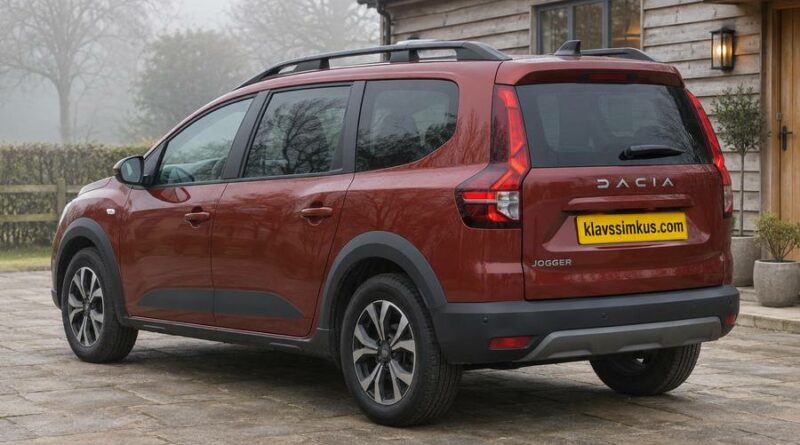
Dacia Jogger Problems and Used Seven-Seater Buying Guide
The Jogger’s rearmost seats are the first things I’d ask the seller to show me. I want to see both seats in the car, both latched correctly, and enough room for the people and luggage you actually carry. Then I check the service history and drive the car from cold to warm. The faults worth investigating depend on whether it’s a manual TCe 110 or one of the full hybrids.
This Dacia Jogger problems guide covers UK used cars and the checks I’d make before paying for one. Bring your usual child seats or luggage to the viewing. A folding seat demonstration and a drive on a route you use can answer more about the car’s suitability than an advertised boot capacity or an equipment list.
Identify the TCe 110, Hybrid 140 or Hybrid 155
Dacia’s original Jogger announcement describes the 1.0-litre turbocharged TCe 110 petrol with a six-speed manual. The original international announcement also mentioned Bi-Fuel. On a UK used car, verify the fuel type, VIN and original market against the documentation rather than assuming specifications from another country apply. If a seller claims the car runs on LPG, establish which system it has and who can service it locally.
Dacia opened UK orders for the Hybrid 140 in 2023. That version has a 1.6-litre petrol engine, two electric motors, a 1.2 kWh battery and a multi-mode transmission. The current UK Jogger range lists TCe 110 and the later Hybrid 155. Match the car’s year and exact specification before getting workshop or warranty advice. If five seats will do, see my Dacia Duster buying guide for a different Dacia with its own hybrid and drivetrain choices.
Try the third-row seats and check the safety equipment
Ask the seller to demonstrate folding, removing and reinstalling each of the two third-row seats. Check that you have the head restraints and that each seat locks into place. Look at the mountings for damage and check the belt retractors, straps and buckles. If one seat has been kept in a garage, ask to see it and have it fitted at the viewing. I’d also check how a passenger reaches the back once the middle row is set up the way it will be at home.
Fit any child seat only in a position approved by the vehicle and restraint handbooks. The original Euro NCAP assessment notes the absence of a third-row belt reminder on the version assessed, and records an issue fitting one universal restraint in the third row. Check the equipment and handbook for the exact year you’re viewing. Later equipment can differ. If you need a sliding-door alternative, my VW Sharan buying guide covers the checks I’d make on that used seven-seater.
Put the usual shopping, pushchair or travel bags in the boot with all seven seats available. Try the tailgate and see what space remains above and below the boot floor. Operate the folding seats yourself if the seller permits it. Ask where you would store removed seats and whether you can handle the job solo if you plan to switch layouts often. Also check for a tyre kit or spare if one is advertised, and make sure any accessories included actually fit the car.
Start a TCe manual from cold and repeat the clutch checks warm
Ask the seller to leave the engine cold before your viewing. Watch the lights during start-up and listen after the engine settles. Follow up persistent uneven running, smoke, visible leaks or a warning. Ask whether the car has needed oil or coolant top-ups and look for a clear history of service work. If the car hesitates under load, note what happens rather than assuming the turbo, an injector or a sensor has failed. A workshop should check the cause before quoting to replace parts.
On a legal, insured drive, use normal throttle and see whether all gears select cleanly. Check how it pulls away and reverses, then try those manoeuvres again once warm. I’d record a repeated shudder, a change in pedal feel or an increase in revs that does not match the car’s speed. A workshop can assess the clutch, controls and drivetrain with those observations. Check what is due using the car-specific Dacia servicing schedule and compare it with dated invoices.
Listen and watch for repeatable changes on a hybrid
Start the car and look for the ready indication described in the handbook. The petrol engine can start or stop as conditions change. On the drive, pay attention to whether the car moves off and responds normally as you ask it to accelerate. Repeat a gentle start in traffic and try reverse and a parking manoeuvre once warm. If acceleration is interrupted or a warning appears, note the speed, conditions and exact message so a technician can reproduce it.
Ask the seller if the hybrid system has ever displayed a warning or had software or mechanical work. I’d want a record confirming the fault, the action taken and any software or parts used. Get a Dacia retailer or qualified hybrid workshop to check the relevant systems if anything is unresolved. Ask what cover remains by VIN and what the terms require. Check the 12-volt battery history too, particularly if the car regularly stands unused or has had intermittent start-up problems.
Check the rear-axle recall, tyres and suspension
A January 2025 EU Safety Gate notice describes insufficient tightening torque at the rear axle mountings on some Joggers, with a risk of losing a rear wheel. The notice gives a 2024 build window. I’d use that as a reason to check the actual VIN, both through Dacia UK’s recall checker and directly with a retailer. For a UK registration, use the government recall checker as well. Request written evidence of completed work or get the manufacturer’s instructions if a safety campaign is outstanding.
Check the tyre tread across the full width, including the inner shoulders, and look at each rim. Listen for repeated knocks on suitable roads and notice how the car steers and brakes. If it pulls to one side or the tyres wear unevenly, have the wheels, suspension and steering inspected before paying for alignment. Get a lift inspection if there are scrapes, suspected underside damage or unexplained repairs. I’d include the sills, lifting points, brake pipes and accessible suspension mounts. Inspect or assess a towbar if fitted and verify what the exact version can tow from the car documents.
Check for water ingress and test the cabin equipment
Feel the carpets around the front footwells and near the rear seats, and check under accessible boot trim. Damp, trim staining or a musty smell warrants a closer look. Ask when the car was last washed and whether any door seals, tailgate seals or drain paths were repaired. Try both keys, the lights, windows, air conditioning, wipers and phone connection. Test any advertised camera or sensor rather than relying on the equipment list. If it fails once, repeat the same conditions and note what happened for the garage.
Check any modular roof rails and fittings that you intend to use. Look for missing covers, corrosion around attachment points or signs of a prior repair. Compare the UK MOT history with invoices for mileage and recurring advisories where the car is old enough to have tests. An invoice showing a repair and a check of the part itself tell you more than a verbal assurance that it was looked at.
Check what is due before the next family trip
I’d set out the next year’s work, including the service due date, tyres or brakes close to replacement and any unresolved fault. If the car needs a seven-seat belt buckle, tailgate trim or other model-specific part, ask the garage to identify it and check the lead time. That matters if you need all of the seats for a planned trip. Make a note of anything the seller promises to include or replace and verify it when you collect the car.
If you’ll regularly take seven people, test the air conditioning and ventilation with the cabin set as it usually will be. Check where the rear passengers can put drinks or bags without obstructing access. Ask the seller to show you where the handbook explains seat removal and replacement so you can repeat it at home.
My used Dacia Jogger buying checklist
- Confirm the engine, gearbox, year and service schedule using the VIN and records.
- Fit both third-row seats and check the restraints you’ll use and the luggage space.
- Start cold and repeat the clutch or hybrid drive checks once warm.
- Verify any open recall by registration and VIN and ask for evidence of completed work.
- Check tyres, suspension, underside, damp and the equipment listed in the advert.
- Obtain written quotes for confirmed work, with parts, labour and VAT.
Before paying, compare the car’s price and immediate work with another example that has the seating and drive system you want. If you’re weighing up whether you need all seven seats, my Dacia UK model comparison explains how the Jogger compares with the five-seat alternatives. If the car is a long way away or there’s a condition question you can’t resolve at a viewing, arrange a vehicle inspection and send the seller’s records in advance. I’d use the findings to judge the car at the price being asked.