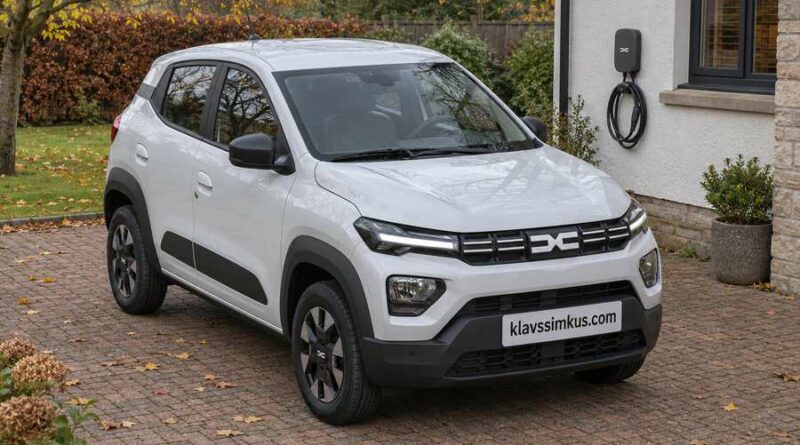
Dacia Models in the UK and Which One to Buy
If you’re choosing between Dacia models in the UK, start with the passengers, routes and loads you carry every week. I’d drive the Sandero first if five seats and a modest boot are enough. I’d put the Jogger on the shortlist if I need seven seats, look at the Spring if I have convenient charging and compare the Duster with the Bigster if I need the space or driving position of an SUV. Bring the people and luggage you carry, and ask for a quote for the version you actually drove.
This guide compares the Spring, Sandero, Sandero Stepway, Jogger, Duster and Bigster. It also covers the commercial Duster Cargo and the upcoming Striker. If you’re buying used, check the version and the build date before you rely on a specification or figure from a brochure for the current range. If you’re shopping for an older estate, my Dacia Logan MCV buying guide covers the UK engine choices, timing history and what I check in the load area.
Compare Dacia models and UK starting prices
The table uses the starting prices shown on the Dacia UK range page on 21 November 2026. These are advertised figures for the entry versions, excluding metallic paint. Get a current on-the-road price for the exact car, including the equipment and paint you want, and ask what any offer or grant depends on. A used car’s price also reflects its mileage, history, condition and the work it needs next.
| Model | What I would use it for | UK starting price |
|---|---|---|
| Spring | Four-seat electric city car | £11,990 |
| Sandero | Five-seat everyday hatchback | £14,765 |
| Sandero Stepway | Five-seat crossover with a higher stance | £16,065 |
| Jogger | Seven seats and a flexible load area | £18,995 |
| Duster | Five-seat SUV with 4×4 choices | £21,845 |
| Bigster | Larger five-seat SUV | £25,215 |
The commercial Duster Cargo has two seats and a load area behind them. Dacia’s product page quotes an excluding-VAT price, so use the same tax basis when comparing it with another work vehicle. The Dacia Striker is listed as upcoming, with UK orders expected in early 2027. If you need a car by a particular date, ask the retailer what’s in stock and get the expected delivery date in writing.
Spring if you can charge where you park
The Spring is a compact electric car with four seats in passenger form. I’d try it on the sort of roads I use each week. Think about whether you can charge at home, at work or at a public point you can reliably reach. If your regular route includes a motorway or you need to do a long trip in winter, allow for a margin after running the heater and driving at higher speeds. Check what you would do if your intended charge point were busy.
On a used Spring, check the exact battery and charge hardware. Earlier and later versions have different specifications, and a cable in the boot tells you little about which charge points the car can use. Ask to see a charge start and continue, check the connectors and flap, and confirm what battery cover remains. Compare the cost of your regular charging tariff with the fuel you’d buy for a petrol car doing the same journeys. My used Dacia Spring buying guide explains which versions can rapid-charge and how I check battery health and charging at a viewing. If you rely on public charging, check the price and availability at the locations you would actually use.
Sandero or Stepway for five seats in a small car
The Sandero is the one I’d drive first for errands, commuting and occasional longer trips. Check how far you can adjust the seat, whether the driving position gives you the visibility you need and whether your phone works with the media setup. Try parking and check the boot with your usual shopping or bags. If you need an automatic, ask which new or used examples actually have one, since engines, gearboxes and equipment change over time.
The Sandero Stepway has crossover styling and a higher stance. Try getting in and out of both cars and see whether you notice a difference on your usual roads. If you carry a roof box or bicycles, confirm what bars are fitted and their stated limits. Look at a like-for-like written quote, since the higher price includes differences in the engine or trim on some versions. For an older example, my Dacia Sandero buying guide covers timing history and how I check factory petrol and LPG Bi-Fuel cars.
Jogger for seven seats and a changeable boot
The Jogger is where I’d start if I regularly need six or seven seats. The two rear seats can be removed, which helps if you mainly carry five people and occasionally need a larger load space. Ask the seller to show the seats in both positions and check how much room remains with every seat in use. If you use child seats, test whether passengers can reach the back with a seat fitted in an approved position. On a used Jogger, check that both removable seats and their head restraints are included.
Try the TCe 110 manual and the applicable full hybrid if both are in budget. Compare how each moves off and parks, and see how it feels on faster sections of your route. If you do long trips with a full car, test the seat position and cabin noise on a suitable road. My Dacia Jogger buying guide covers the two hybrid versions, the third-row seats and the recall and underside checks I’d make on a used example.
Duster or Bigster when you want an SUV
The Duster is worth looking at if you need an SUV driving position and want to compare four-wheel-drive versions. Choose the exact year and powertrain first. Older petrol and diesel cars and newer hybrids differ in what they can carry or tow and how they drive the wheels. If you use a rough track, examine the tyres, ground clearance and underbody protection on the actual vehicle. On a used one, I’d look at the underside, especially if there’s a towbar or evidence of off-road use. My Dacia Duster buying guide explains those checks in more detail.
The Bigster is a larger five-seat SUV. Compare it with the Duster with the driver’s seat in your normal position. Check what room is left behind it, the height at which you have to lift luggage and whether you can open the doors easily in your driveway or garage. If you tow, ask for the weights and limits for the precise engine and trim. Two cars with the same body can have different limits.
Compare the full cost and check warranty coverage
Ask for written quotes for the exact cars. Compare the purchase price, insurance, servicing and realistic fuel or charging costs for your annual mileage. With finance, compare the deposit, term, total amount payable, optional final payment where relevant and any mileage or return conditions. A higher trim on a smaller model can overlap in price with a basic version of a larger one. I’d drive both and check the equipment I’ll actually use before deciding which is worth the money.
For a used car, check the last service date and mileage and ask Dacia to confirm the cover by VIN. Dacia Zen is a service-activated warranty with eligibility and servicing conditions. Ask whether it’s active and what expires when, including any separate cover on an electrified version. Check the MOT history where applicable and use the Dacia recall checker. Compare what you find with the invoices.
If you’re comparing two used cars, ask for a price for the next service, the correct replacement tyres and any work identified at the viewing. Check that the quote covers the model and wheel size you’ve shortlisted. Add those costs to the asking price before you compare it with a car that’s already had the work done. If something still needs diagnosis, ask when the seller or a workshop can investigate and what evidence will be available before you make a decision.
Compare two cars on the same journey
If your week consists of short local trips with one longer run, compare two cars using both parts of that routine. For the first drive, take the route with busy junctions and the tightest place you usually park. On the longer part, check how easy it is to join faster traffic and how comfortable you feel after the seat has been set properly. If you’re considering the Spring, plan where you’d recharge on the longer route. In a Jogger, try the same journey with the seats arranged for the people you normally carry. It’s a more useful comparison than driving each car round a different set of roads with the salesperson.
My shortlist checks before buying a Dacia
- Count the seats you will use and check the luggage area with those seats in position.
- Price the exact powertrain, gearbox, trim and equipment you need.
- On an EV, check your usual charging options and the car’s specific charging capability.
- Verify towing weights for the actual vehicle if towing matters to you.
- Check the used car’s service history, recall status and work due in the next year.
- Compare written quotes on the same basis, including any conditions or options.
Once you’ve found a model that suits you, arrange a vehicle inspection if the history or condition of the individual used car needs a closer look. I’d use that report to decide what I would pay for that car, after the model comparison has done its job of narrowing the shortlist.