Electric Car Recycling and Reused EV Parts in the UK
Electric car recycling can mean reusing a tested part, repairing a battery, finding a different use for a battery pack or recovering materials from it. Those routes are often lumped together. For a used EV buyer or someone paying for a repair, the distinction matters. A tested used tailgate and a used high-voltage battery raise very different questions about safety, compatibility, testing and warranty.
When I assess a used electric car with a repair in its history, I want to know what was fitted, where it came from and who checked the finished work. If a garage proposes a recycled component, ask for that information before agreeing to the job. The price of a part is only one cost. Fitting, coding, calibration and the risk of paying for the same labour twice can change what looks like a good deal.
What happens when an electric car is scrapped?
If the car is being scrapped, the GOV.UK guide to scrapping a vehicle says to use an authorised treatment facility. Check that the site accepts electric vehicles and explain any collision, fire or flood damage before collection is arranged. Ask what paperwork you will receive. GOV.UK says that if the facility completely scraps a car, it should issue a certificate of destruction within seven days. Different paperwork applies if the facility decides to repair and sell the vehicle. Keep the documents for the route the car actually takes.
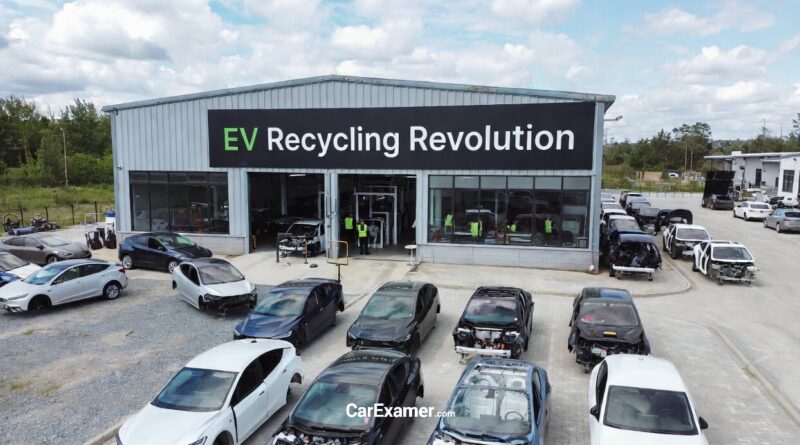
A dismantler may identify suitable components for use in other vehicles, while materials or components unsuitable for reuse go to the appropriate treatment route. For insurers and salvage firms, the ABI’s updated voluntary Salvage Code of Practice includes electric and hybrid vehicles and addresses reusable parts. A salvage category describes the vehicle’s treatment or damage classification. It does not tell me whether a particular component is fit for a particular repair. That requires evidence about the donor, the part and the receiving car.
What happens to the high-voltage battery?
A pack in a car that is uneconomical to repair could still have usable components. Equally, an EV that drives may have a pack that needs further investigation after an impact. Ask what is known about damage, storage, water exposure and the pack’s history. The Health and Safety Executive’s electric and hybrid vehicle guidance explains the additional skills and equipment needed for work on electric vehicles. Battery removal, testing and decisions about damaged units belong with appropriately trained specialists. I would contact the manufacturer, insurer or qualified recovery provider if a damaged EV needs moving.
The UK battery strategy discusses repurposing suitable packs, for example for stationary storage. Suitability depends on condition, design, intended use and the ability to test and manage the battery safely. Other batteries may be sent for material recovery through an appropriate facility. The Environment Agency’s waste battery treatment guidance explains approval requirements for those treating or exporting waste batteries. A battery that enters recycling does not simply become a ready-to-install replacement pack. Materials need processing, and recovery depends on the battery chemistry and facility.
Where a used electric car part makes sense
For many repairs, the most straightforward candidates can be conventional parts shared with the rest of the vehicle, such as a trim panel or a door shell. I would start with matching the original part number, revision and mounting points. A door or bumper can look identical in an advert while having different holes, brackets, wiring or sensor fittings. Send the workshop the part number and pictures before ordering. Ask whether its quote covers transferring any trim and whether any camera, radar or other systems need checking after fitting.
Breakers and marketplaces such as Ovoko can be places to look for a used component. Listings differ in how much evidence they provide. Ask whether the item is tested, which vehicle it came from, why that car was dismantled, what is included and how returns work if the part cannot be fitted or coded. For safety-critical parts and anything connected to the high-voltage system, have a qualified repairer confirm whether a used part is suitable and permitted by the repair procedure. I would also confirm who is responsible for sourcing and returning the part. That affects who bears the cost if it arrives damaged or turns out to be incompatible.
What I check on an EV with a replacement battery or module
Ask the seller for a repair invoice linked to the VIN. Find out whether the work involved a complete pack, a module, a control unit or another part of the charging system. If you are told the battery was replaced, ask whether the replacement was new, remanufactured or used, when it was fitted and what written cover came with it. Ask what happened to the original component and who fitted and tested the replacement. A battery state-of-health figure helps only when you know which car it belongs to, when it was recorded and what the test measured.
I would look for photographs and repair paperwork if the car has had damage near the battery enclosure, and arrange specialist checks if the evidence is incomplete. Check that the car charges and operates normally under the conditions you can safely demonstrate. Have recurring warnings investigated, ideally with a report that records the VIN, the date and the diagnostic findings. A short charge or road test has limits. If you need evidence of usable capacity or internal condition, ask a specialist what further testing is possible. My Kia EV6 buying guide shows how I bring together charging tests, battery records and warranty information on a specific model.
Compare used, remanufactured and new parts on the same basis
Request a fitted price for each feasible option. Include delivery, fitting, coding or calibration, diagnostics, VAT and any deposit that depends on returning the old part. Ask how long the workshop expects the repair to take and what happens if its first diagnosis turns out to be incomplete. Read the parts and labour cover carefully. If a supplier covers a replacement component but the garage charges to remove the failed part and fit the next one, that matters to the comparison.
Ask for the final repair paperwork to record which part was fitted and what the workshop tested afterwards. Keep the relevant images and documents with the car’s service record. If you sell the EV later, that gives the next buyer a way to understand the work. I would ask to see the parts record before buying a car advertised as having a newly fitted battery. A vague note that the battery was ‘sorted’ leaves several possibilities open and can make later diagnosis harder.
There is also a useful difference between accepting a used part for a known fault and buying one to see whether it cures a symptom. Ask for the diagnostic result first. For an electrical problem, have the workshop explain what it checked and what points to the proposed replacement. If it is an intermittent fault, agree the conditions under which the repair will be tested. I would also check whether an open warranty claim or manufacturer campaign should be resolved before paying for a separate repair.
What to record if the car cannot be repaired economically
If an insurer or garage says a car is uneconomical to repair, ask for the estimate and the evidence behind the decision. The cost of a new component, labour or a delay obtaining parts can influence the outcome. It helps to know which damage the workshop actually found and which items were included as estimates. If you are comparing repair and disposal routes, tell each business about any known damage to the battery area and get the collection arrangements in writing.
I would keep photographs and copies of the documents even after the vehicle leaves your possession. Record who collected it, the destination, the date and whether the car was taken for repair, assessment or destruction. If it is already with a garage or recovery company, establish who is authorised to release it and whether storage or transfer costs apply. Those details make it easier to reconcile the paperwork with what happens to the car.
My checklist for recycled EV parts and repaired used cars
- Identify the exact component and match the part number, revision and vehicle specification.
- Ask how it was sourced and tested, what documentation is available and what its warranty covers.
- Have a qualified EV repairer confirm the suitability of high-voltage or safety-related work.
- Compare fitted prices, labour cover and diagnostic or calibration costs before ordering.
- For whole-vehicle scrapping, use an authorised facility and keep the correct paperwork.
Before buying a used EV with significant repairs, an independent vehicle inspection can document accessible condition and identify where further battery or repair checks are needed. Agree the scope and access when you arrange it. If the repair evidence answers where the part came from, why it was fitted and what testing followed, I have a better basis for comparing the car with another example.