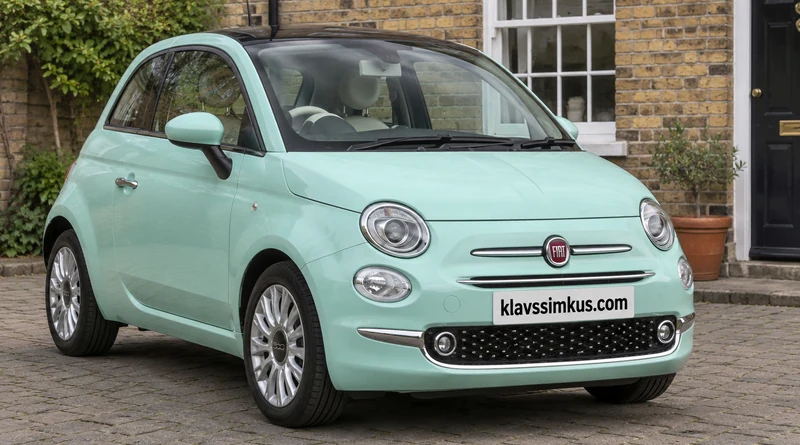
Fiat 500 Problems and UK Used Buying Checks
If you are buying a used Fiat 500, check which version it is before you decide what to look for. On a 1.2 petrol I look for timing belt evidence, a clean cold start and a clutch and steering system that work consistently. On a Dualogic I take extra time with low-speed manoeuvres. On a 500 Electric I ask to see it charge and check what evidence there is for the battery and any remaining cover.
I would plan a viewing around the sort of driving the car will do. A car used mainly for short journeys can look lightly used by mileage while needing tyres, brake work or catch-up servicing. Ask for a cold start and allow enough time to try it in a car park, on an ordinary uneven road and at normal traffic speeds. If the car is a convertible, make time to try the roof as part of the viewing.
Identify which Fiat 500 you are buying
Fiat’s original UK launch material dates the modern 500’s arrival to January 2008. The early range included 1.2 and 1.4 petrol engines and a 1.3 MultiJet diesel. The range changed over time, with TwinAir and later the 2020 1.0 mild hybrid. Ask for the registration, engine and gearbox details so that you can match the service schedule to the car you are seeing.
The 500 Electric arrived in UK dealerships in early 2021 on a new platform. Fiat offered two battery sizes at launch. Fiat also opened UK orders in 2026 for the new 500 Hybrid, with a 1.0 petrol engine, 12-volt assistance and a six-speed manual. Check which generation is advertised when you see Hybrid or 500 in the title. My Fiat Panda buying guide covers a related option if rear access matters to you.
Before viewing, ask for a picture of the dashboard with the engine running or the EV ready to drive. Ask what keys, cables, roof accessories and load-area fittings come with the sale. If you plan to carry children or adults in the back, try the front seat releases, rear access and the relevant seat or restraint with the seller’s permission. That matters on a small three-door car regardless of how it drives.
Check the clutch and Dualogic at low speed
On a manual, pull away gently several times and select reverse in a clear area. Look for repeated judder, a pedal that is slow to return or stiff gear selection. During normal acceleration, listen for a rise in revs without a matching increase in road speed. Note whether the issue happens only when cold, after several manoeuvres or in a particular gear. Get it checked before assuming what parts it needs.
Dualogic uses an automated clutch and gear selection. Ask the seller to demonstrate the controls and check which gearbox is actually fitted. I would try forward and reverse when cold, then repeat once the gearbox is warm. Note delays, warnings, a repeated refusal to select a gear or an unexpected drop into neutral. If a quote says gearbox work, ask whether it includes the relevant tests, clutch or actuator work and any setup required after the repair.
Look at steering, tyres and the underside
Check for a steering warning when starting and try slow turns in both directions in a safe space. Where there is a City setting, see how the assistance feels with it on and off. If operation is inconsistent, ask for a diagnosis that covers battery and charging condition as well as the steering system. Stop the road test if the steering becomes unpredictable. An invoice for a replacement component is helpful when it shows why the work was needed and what was checked afterwards.
On an uneven road, listen for repeated knocks and use normal braking where safe. Check tread across each tyre and look for damage on the edges of the wheels. One tyre with uneven shoulder wear can point you towards checking for alignment, suspension wear or previous damage. Look underneath where access is safe and arrange a lift check when you want to see the rear axle, spring seats, brake pipes or repairs more clearly. Ask what has been investigated if the car pulls or vibrates.
Suppose the seller has fitted two front tyres and says the steering was pulling before the work. I would ask to see an alignment printout and check whether the old wear affected one shoulder or crossed the whole tread. With the new tyres in place, a short straight drive and a look at the front suspension can still help you decide what else needs checking. An alignment figure by itself cannot explain a damaged wheel or a joint with play.
Match the engine service records to the version
On the 1.2 petrol, look for timing belt evidence. Fiat’s 2018 Fiat 500 handbook includes belt servicing for the 1.2 8V. Confirm the applicable interval and conditions for the actual car. Ask for the date, mileage and parts on the invoice. A sticker on its own is weak evidence if the seller cannot show what was done. Budget for the applicable work if there is a gap in the records.
On the TwinAir or MultiJet, I look at oil change evidence and check that it matches the engine’s requirements. Even running, consistent response and a stable temperature matter on the test drive. Ask a workshop to check a recurring warning or unusual cold-start noise. On a diesel, ask about its use, emissions components and any previous work. Confirm eligibility using the registration if you drive into a charging zone. On the mild hybrid, check warning messages and ask which work was done on the electrical assistance system if it has been repaired.
Try the electrics and check the roof or charge port
Try both keys, the rear washer and wiper, the windows, blower and central locking. Check the boot and the area below the load floor for damp. If a washer fails, look for where fluid appears and have the cause checked before replacing electrical parts. On a 500C, ask the seller to open and close the roof, check the fabric and seals and look for staining behind accessible trim. Hesitation or interruption during travel deserves a closer look.
If looking at an EV, agree a charging session in advance. Check the cable and port visually, confirm that charging starts and watch what the car says when the session stops. Ask which battery is fitted, whether you can see a recent condition record and what warranty remains. Check the car’s identity and mileage on any report. If you depend on rapid charging, confirm the version’s equipment and consider a separate demonstration. Reported range can move with temperature, speed and recent use.
On all versions, look along the body in daylight. A tight parking history can show up in mismatched paint, missing clips and damage around the wheels. Ask for evidence of repairs when the panels appear uneven. Try the tailgate and front seat adjusters and see that seatbacks lock properly. If a safety or battery warning stays on, arrange the proper checks before accepting delivery or committing to a repair price.
Some older 500s have Blue&Me, while later cars may use other infotainment systems. Try the features you need, and check the radio, sound and phone connection individually. If the odometer flashes or the seller mentions battery drain, ask what was tested and whether other features stopped working. A workshop should identify the problem rather than treating the flashing display as proof that one particular module needs replacing.
Check what is supplied and what you can realistically replace. A second key, a rear parcel shelf or a type of charging cable may change your collection plans. Get a quote for the exact item before treating it as a small cost.
Work out the real cost of that car
Check the official MOT history and the government recall checker. Ask Fiat whether relevant work is outstanding for the VIN and compare invoices with the seller’s description of the car. A recurring brake or tyre advisory gives you a reason to inspect the same area again. If the advert has a lower price due to an undeclared fault, ask what work is owed and what evidence the seller has.
Get itemised prices for repairs you can identify and set aside a separate allowance for diagnosis if the cause is still unclear. Ask whether parts, labour, tax and any calibration or setup are included. Compare the total with a similar 500 whose recent maintenance is documented. A great colour or trim is easy to see in photographs. You will learn more about the costs by listening to the car from cold and looking through the invoices.
My shortlist would favour a 500 with a clear service record, consistent steering and no unresolved gearbox or charging complaint. If you cannot tell whether a fault is small or costly, arrange an independent vehicle inspection before purchase. Confirm access and any specialist battery or gearbox testing you need. Use the results to decide what needs attention immediately and whether the price still makes sense.