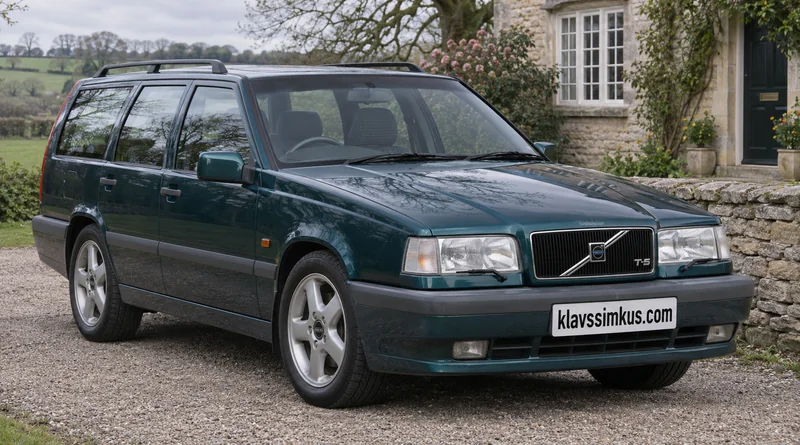
Volvo 850 Problems and UK Classic Car Buying Checks
On a Volvo 850 I want to see what the car does from cold, how it behaves once the engine and gearbox are warm, and whether anyone has investigated warning lights properly. I also look for service records that identify the engine and tell me when the timing belt was last changed. A shiny T-5 or R badge adds little if the identity, maintenance or previous modifications are unclear.
The Volvo 850 problems I would put first are anything that affects braking, evidence of overheating, fluid loss and corrosion at a structural point. I would price those before small electrical faults or missing trim. View it in daylight, ask the seller to leave the engine cold and allow time to go back over the car after a normal road test.
Identify the 850 and any modifications
Volvo’s 850 model archive covers a saloon introduced in 1991, followed by the estate in 1993. The range included five-cylinder petrol engines, turbo petrols and a five-cylinder turbodiesel. Most cars drove the front wheels, and Volvo introduced the 850 AWD in 1996. The revised saloon and estate became the S70 and V70. Confirm the badge and build details before using parts information for one of those later cars.
A standard naturally aspirated 850, a T-5 and a T-5R or 850 R can have different histories and expectations. Ask for proof of the model, engine and transmission if performance specification affects the price. If a seller claims a remap or changes to the turbo, intake or suspension, ask for invoices and declare the details to your insurer as appropriate. My Volvo 740 buying guide covers the earlier rear-wheel-drive car if you are comparing two generations of Volvo estate.
Ask for photos taken in daylight, a copy of the most recent MOT and anything identifying the expensive work in the advert. If the car is sitting on a dealer forecourt, confirm it can be tested cold and that there is room to try the controls. For a stored car, ask when it last travelled far enough to get fully warm and whether you will need to arrange transport after purchase.
Investigate ABS warnings and look at the rest of the brakes
Turn on the ignition and observe which lamps appear, then check which remain on after starting. Use the correct handbook to see what the car is meant to display. If an ABS or traction control warning stays on or returns on the drive, ask for a diagnosis. A sensor, wiring, a connection or the control unit may be involved. Know what the garage tested before accepting the seller’s estimate for a module or sensor.
I would check brake response at ordinary speeds in a suitable area. A pull, a vibration or a pedal that feels unusual is a reason to stop and investigate. Check the age and condition of the visible hoses, pipes and discs, and have the inner faces and areas you cannot see examined on a lift. On a car that has been stored, ask whether any sticking brakes were freed or replaced, and see whether the work was recorded.
Look at the most recent invoices and the older MOT entries together. A repeated advisory on a brake pipe tells you where to look and an invoice can show what was renewed. If the brake warning is absent at startup when the handbook says it should appear, have its operation checked. I would take any unexplained or disabled warning seriously when deciding whether the car can be driven safely.
Check the timing belt, oil and cooling system
Ask for a timing belt invoice with the date, mileage and parts used. The period Volvo service programme covers several engines and years, so check the schedule applicable to the actual car with a specialist. Check whether the invoice shows tensioners or related work that was specified. Use a written quote for overdue or undocumented work rather than assuming a sticker in the engine bay covers it.
Look for signs of coolant loss when the engine is cold and ask why any parts have been changed. During the drive, observe the temperature and whether the heater output is steady. A history of overheating or unexplained coolant top-ups justifies further diagnosis. A garage can test for leaks, check cooling operation and investigate more deeply if the first findings point to another problem. Keep the system closed while it is hot.
Check the engine top, lower areas you can safely see and the joint between engine and gearbox for fresh oil. An oil mark at the lowest point may have come from somewhere above. If the seller mentions a crankshaft seal, turbo oil line or crankcase ventilation, ask what was checked and how the source was confirmed. On a turbo, note how it builds power after warming and ask a specialist to investigate persistent smoke, hesitation or unusual noise.
Drive it warm and check the transmission and tyres
With a conventional automatic, try drive and reverse in a clear area before setting off. Repeat when warm and note whether it delays, bangs into gear or flares between changes. Ask what parts or fluid have been used and whether the complaint changed after the work. On a manual, try the shift from cold and check whether a clutch slips under normal load or a gear is consistently hard to engage. Record the conditions for any symptom.
On an AWD car, confirm which drivetrain parts are present and ask about tyre replacement history. Have a Volvo specialist review the tyre requirements for that version and check the drivetrain if you hear a noise or feel a vibration. On any 850, look at the tyre shoulders, wheel damage and whether the car tracks straight. Describe a knock by the road surface, speed and side where you hear it, then have the relevant joints, mounts and bushes checked.
If the suspension has been lowered or expensive components have been replaced, find out why the work was done and whether there is an alignment record. Ask to see how the car sits on level ground. If you are buying an estate for carrying heavy items, pay particular attention to rear tyre clearance, ride height without a load and the condition of the rear suspension. Bring a tape measure and check the actual load space with the rear seats in the position you need.
Check the shell, cabin and parts availability
Look at the lower doors, sills, arch lips, floor seams, jacking points and around the glass. On the estate, lift the load-floor panels with permission and check the boot corners and spare-wheel area for water marks. Try the tailgate supports and wiper, rear seat latches and load cover if present. An old repair is easier to assess when you can see both the finished area and records showing what was welded or replaced.
Try the blower, air conditioning if fitted, screen demisting, all windows and locks. Compare the equipment with what the advert promises. If the seller says the air conditioning only needs gas, ask whether anyone checked it for leakage and confirmed how much work is needed. Look for added wiring, loose connectors and missing trim around previous repairs. Check availability for the actual lamp, seat part or trim you need before budgeting for it.
If you can, ask a garage to check the underside with the car at a safe working height. Bent jacking points, obvious deformation near a mounting and new coating over old corrosion all deserve a closer look. Where a substantial repair has been done, read the invoice and look for photographs that show the metal underneath. An appearance check from the kerb cannot tell you how well hidden joints were repaired.
Before buying a project, ask who will do the work and check that they can take the car soon enough. A long wait matters if you have no dry storage or need the Volvo as your only car.
Work out the real purchase cost
Read the official MOT history alongside the invoices, and ask the seller about gaps, import history and time in storage. Use the government recall checker and confirm applicable campaigns with Volvo where needed. For a car kept off the road for a while, expect to check the brakes, tyres, battery, fluids and fuel system before relying on it for regular use.
List the jobs separately. Add a quote for scheduled maintenance, a quote for faults already diagnosed and an allowance for finding the cause of any remaining symptom. Ask what each estimate includes and whether specialist parts can be supplied. An expensive original example and a cheaper modified one can cost very different amounts to get to the same standard. Decide what originality is worth to you before comparing prices.
I would favour a Volvo 850 with consistent braking, stable temperatures, a good view of the underside and records that match its engine and gearbox. If a fault is unresolved or the seller cannot show enough of the car, arrange a vehicle inspection and agree the scope first. An ABS diagnosis or close examination of the underside could still need specialist workshop access. Let the findings decide what you are willing to pay.
If you need a later, smaller estate, my Volvo V50 buying guide covers its engine choices, gearbox service evidence and checks for water in the cabin.
For the same era in a rear-wheel-drive Volvo, see my Volvo 940 saloon and estate buying checks for what to look for around the rear axle, cooling system and underbody.