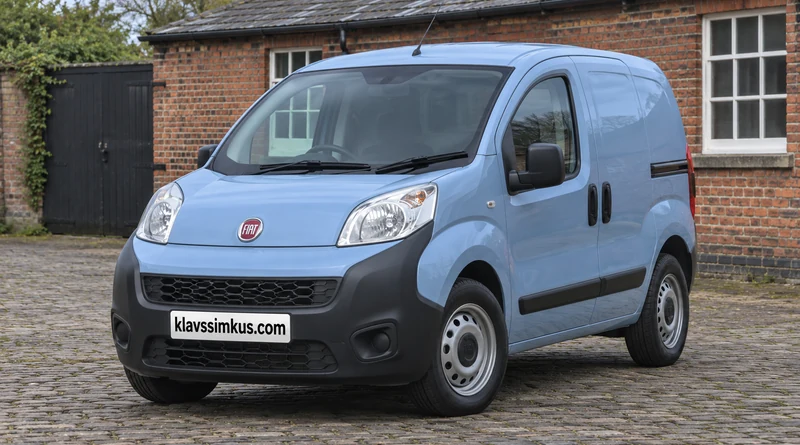
Fiat Fiorino Problems and UK Used Van Buying Checks
The Fiat Fiorino makes sense if you need a small van for local jobs and know exactly what has to fit inside. I would look for a dry, usable load area and a van that starts cleanly, selects its gears and pulls away consistently. A low odometer reading is only one part of the story. Lots of short journeys and repeated loading can show up in the clutch, the door hardware and the condition of the floor.
The Fiat Fiorino problems I would investigate depend on the engine, gearbox and previous work. On a diesel I would ask about service history, cold-start noise and any emissions warnings. On a petrol I would pay attention to the timing belt evidence and cooling system. I would try a Comfort Matic in several ordinary manoeuvres before buying one, then price any faults using quotes for the exact van.
Check which Fiorino you are buying
Fiat’s 2008 UK launch material lists the 1.4 petrol and 1.3 MultiJet diesel. It describes a five-speed manual, with the six-speed Comfort Matic available on the launch diesel as an option. Fiat’s 2016 UK update introduced a revised front end and listed a Euro 6 1.4 petrol and 1.3 MultiJet II diesels. Confirm the VIN, engine and gearbox before ordering parts or assuming the emissions equipment from the registration year.
Ask how many seats the van has and check what comes with it. Compare Cargo and passenger-carrying versions using the real loading area behind the seats and the plated weight. If you are also considering a larger small van or a medium model, my guide to Fiat van models explains when the Doblò or Scudo might suit the same job better. Try the largest object you usually carry before deciding you have enough space.
Before travelling, ask for a photo of the weights plate and an image of the van with the side door open. Look for a usable loading edge and anything that sticks into the working space. If you carry tools to occupied sites, check whether you can open a door without stepping into traffic or climbing over the rest of the load. Test those practical details at the viewing, especially where lining or a bulkhead has been added after the van left the factory.
Listen from cold and read the timing service records
Ask the seller to leave the engine cold. Watch for warning lights that stay on, listen for noise as it starts and note whether it settles at idle. On the 1.3 MultiJet I would take a pronounced or repeated rattle seriously and ask for a diagnosis. Record how long the noise lasts and whether it changes when warm. A sound alone can leave several possibilities, and a seller’s explanation should be backed up by what a workshop found. The Fiat Fiorino handbook sets out service requirements for the versions it covers.
Ask for oil change invoices with the dates, mileages and engine oil specification. For the 1.3 diesel, look for documented timing chain work if the seller says it was done. Check who did it and what was included. On the 1.4 petrol, ask for the timing belt invoice and confirm the interval for that engine and usage with the appropriate Fiat schedule. A general service stamp or an engine bay sticker is only a starting point if you cannot see an invoice.
I would check for evidence of previous coolant loss and ask whether a radiator, water pump or thermostat has been changed. Have the level checked when the engine is cold, then watch the temperature during the test drive. If there is a history of overheating, ask for the cause and evidence of what happened after the repair. The price of a replacement cooling part tells you little about the work needed if the underlying fault has yet to be found.
Take diesel emissions warnings seriously
Find out whether the Fiorino was used for brief local drops or regularly driven far enough to warm up fully. Check the emissions equipment on the vehicle you are viewing. If it has a diesel particulate filter and a warning persists, ask to see the fault report and the invoices for earlier work. Loss of power, frequent warnings or a warning appearing soon after a claimed repair justify further checks. I would want the report to explain what was checked and why the workshop recommends the next step.
Ask to see evidence if the seller says the filter was cleaned or replaced. The DVSA MOT inspection manual treats missing or obviously modified manufacturer emissions equipment and evidence of DPF tampering as major defects. If an advert mentions a delete or the history says the system has been modified, clarify what is fitted and get the work assessed. Use the registration on the relevant charging-zone checker if you will be visiting an area with emissions charges.
Test the manual or Comfort Matic gearbox
On a manual van I would pull away gently several times, try reverse and use every forward gear on a suitable route. Record whether a stiff shift occurs with the engine stopped, while the engine runs or only in a particular gear on the move. If the engine speed rises under ordinary acceleration without a matching increase in road speed, get the clutch checked. A knock or vibration when starting can also come from several areas, so ask for the cause before treating a clutch quote as the whole job.
Comfort Matic is an automated manual that operates a clutch and gear selection for you. Ask the seller to demonstrate the controls and try forward and reverse in a clear area. Repeat when the van is warm. Repeated delay, unexpected neutral, a gear refusal or a warning should be recorded and diagnosed. If someone quotes for gearbox work, ask whether it covers the clutch, actuator or hydraulic system, electrical testing and any setup required for the repair they propose.
Check suspension, tyres and damage from loading
Drive over an ordinary uneven stretch of road where it is safe. I listen for knocks and note whether they happen on one side or when the steering is turned. Look over the tyres, including visible inner shoulders, and ask whether alignment or suspension work has been done. A new tyre beside an old, unevenly worn one is worth asking about. On a suitable lift, a workshop can inspect the springs, mountings, steering joints, brake lines and underside and see whether the symptom has left a visible clue.
Check the clearances around both rear doors, then try the sliding door and all locks. A van can have a perfectly tidy cab and years of wear at the rear loading step. Look at the floor edges and wheel housings for poor repairs or damage behind the liner. If new shelving hides part of the floor or side, ask what access is possible. Try the lights, rear washer if fitted, heater fan, radio and both keys. Put a worn key or damaged lock on your cost list before taking the van away.
Check where your cargo will be secured and whether the bulkhead or mesh divider is sound. A history of carrying wet equipment can leave damp around floor fixings. Look at the edges where water would collect. A scuffed floor lining may be perfectly usable, while a weak tie-down or damaged door latch directly affects the work you can do. If it came with racking, ask how much it weighs and whether the fixings have damaged the metal underneath.
Ask whether the seller can show the vehicle with the key you will receive when you buy it. Check the power locks from both the cab and outside if there is more than one locking arrangement. A courier van may have an added deadlock or lock shield. Try it with the correct key and inspect the surrounding metal for damage. If a latch is unreliable, include the full repair and investigate whether misalignment or damage to the opening is involved.
For a van that has been off the road, I would allow time to check the condition of the battery, the tyres and the brakes. Ask how long it stood, how often it moved and whether it was parked on wet ground. Check for a consistent response to normal braking once you have space to do so. If you feel a pull or vibration, describe when it happens and budget for a diagnosis before deciding what the van is worth.
Use the MOT history and repair quotes to make a decision
Read the official MOT history in order and compare repeated advisories with invoices and what you see. Use the government recall checker and ask Fiat to confirm outstanding campaigns if needed. Look for changes in mileage and ask what use the van had before it came up for sale. If the asking price excludes VAT, confirm the invoice total before you compare it with another seller’s price.
Add up servicing that is due, tyres or brake work you can identify, and any missing keys or load equipment. Get quotes in writing against the registration and engine code, with labour, parts, VAT and any further diagnosis shown. I would delay a purchase where the steering, gearbox or emissions warning is still unexplained. An independent vehicle inspection can help you see what needs further testing and decide whether the van will be ready for work when you need it.