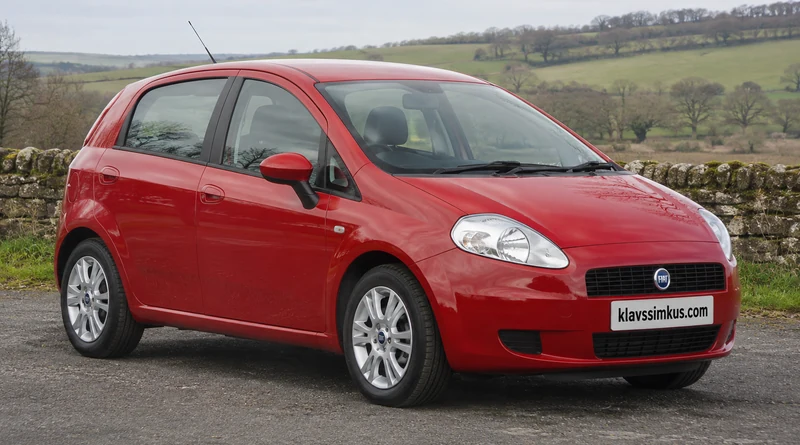
Fiat Punto Problems and UK Used Buying Checks
If you are buying a used Fiat Punto, I would start with the steering, a cold start and the service history for the engine actually fitted. Then I would try the clutch and gearbox at parking speed and again after a normal drive. A Punto can be an affordable small car, but an unexplained steering fault or a history of overheating can change the decision quickly.
This guide focuses on the Grande Punto, Punto Evo and the later Punto based on that family. There are earlier cars with the Punto name too. Ask the seller to confirm the version from the documents and the VIN, particularly if you are buying parts or looking up the service schedule. A model badge and the registration year can leave you with an incomplete picture.
Identify the Punto generation and engine
Fiat launched the Grande Punto in the UK in February 2006. The Punto Evo followed and Fiat revised the range again under the Punto name in 2012. The range over those years includes 1.2 and 1.4 petrol versions, TwinAir and MultiJet diesels. Some versions have a Dualogic automated manual. Check the engine code and gearbox if the advert says only 1.4 or automatic.
Compare the age and condition with how you plan to use it. If you want a first car, get an insurance quote against the registration and check that you are comfortable with the visibility, controls and parking. If you will be carrying children, try the correct restraint in the seating position you intend to use, following the handbook and seat maker’s instructions. My guide to the Fiat Panda also covers a smaller option for local use.
Look for intermittent electric steering faults
Fiat describes the Dualdrive electric assistance system in its Punto owner’s handbook. At the start, look for any steering warning that stays on. With the seller’s permission and suitable space, try the steering slowly in both directions and check the response of the City function if fitted. Repeat a parking manoeuvre after the drive. I would investigate assistance that drops away, feels different from side to side or cuts out after several turns.
Ask about any earlier steering fault, including whether a column was changed or repaired. A workshop can check the charging system, battery condition and steering fault information. Ask what was tested before accepting a parts diagnosis. A steering light that disappears after switching off still deserves attention if the seller says it has returned. If assistance is unpredictable, stop the road test and have the car assessed before using it further.
Check timing records and cooling before the drive
On a 1.2 or 1.4 petrol version with a timing belt, I look for an invoice giving the date, mileage and parts. Confirm the schedule for that engine and the way the car has been used. Fiat’s later handbook gives different advice for demanding use, such as frequent town driving, so a single interval does not cover every Punto. Ask whether any associated parts were changed and whether there is evidence for the work. Budget for the correct job if the history is incomplete.
On a TwinAir or MultiJet I would check the correct specification for engine oil and how regularly it has been changed. Listen to the start from cold and note how long any unusual sound lasts. If the seller mentions timing chain work on a MultiJet, read the invoice and ask what prompted it. On a diesel, record any warning or loss of power and check the emissions equipment installed for that version. Look up whether the exact registration meets the rules for charging zones you use.
Ask about coolant top-ups, any previous overheating and what was done to find the cause. Look at the reservoir and accessible joins with the engine cold. During the drive, watch whether temperature and heater output remain steady. A small deposit under the oil cap can have more than one explanation, including condensation on cars used for short runs. I would want further testing when it appears with unexplained coolant loss, persistent overheating or other signs of contamination.
Try the clutch, gearbox and suspension when warm
Pull away gently more than once and try reverse in a clear area. On a manual, note a slipping clutch, a pedal that feels inconsistent or a gear that crunches repeatedly. If the gear lever is stiff, record whether it happens with the engine off, while idling or only in a particular gear on the move. Listen for a whine that changes with speed or a noise that changes when you press the clutch at idle. These details matter when a garage needs to decide where to start.
A Dualogic uses an automated clutch and gear selection. Ask the seller to demonstrate the selector and any driving modes fitted. Try a gentle start, a reverse manoeuvre and a warm restart. Repeated refusals to select a gear, unexpected neutral or an error message deserve a diagnosis before purchase. For a repair estimate, ask which labour and parts are included and whether clutch or actuator setup is part of the job where applicable.
Listen for a regular knock over an ordinary uneven road. Compare the tyres on each axle and look for wear across the tread or on just one shoulder. Check the wheels for marks from kerbs or potholes. With the car lifted correctly, a workshop can inspect the springs, joints and mountings and check anything you have heard on the drive. Ask for written findings if a seller says the car only needs an alignment. Wear or impact damage can make alignment alone an incomplete repair.
On the drive, I would also pay attention to ordinary braking. A regular vibration through the steering wheel or pedal deserves a closer look, especially if the car pulls to one side. If it has stood unused, inspect the visible faces of the discs and ask a workshop to check the pads and inner faces where access is limited. Check that the parking brake works correctly in a suitable area with the seller’s permission.
Use every lock, window and heater control
Try both keys and open every door from inside and out. Work the windows and mirrors, try the heating and ventilation at several settings and test the rear washer and wiper. Check whether the boot release works first time and whether the tailgate stays open. If a function is intermittent, ask the seller whether it changes in wet weather or after the car has stood. A brief demonstration can miss a fault that appears only when a door or tailgate moves.
Lift the boot mat, check the spare wheel well and look for damp in the front footwells. Ask about past repairs or a fitted accessory if trim has been disturbed. If the car has Blue&Me and you need the hands-free functions, pair a device where the seller allows you to try it. A flashing odometer or unexplained battery drain can justify further electrical investigation. Ask for a diagnosis that identifies the affected systems and the tests already performed.
Walk around the car in daylight. Look at the panel fit, the edges of the paint and the visible sill areas. Check for corrosion, damage around jacking points and repairs that need a look from below. If a wheel has a fresh tyre and the body nearby has been repainted, I would ask about invoices and any alignment measurements. Two individual observations can help frame the next inspection without proving why they occurred.
On a three-door car, try the front seat release and check it locks again when returned to position. If you will carry people in the back regularly, test access before committing. Look at the belts and buckles in the positions you intend to use.
Price the faults and decide whether to buy
Read the official MOT history and look for recurring advisories and gaps in mileage. Compare it with invoices and what you can see at the viewing. Run the GOV.UK recall check and ask Fiat whether any campaign applies to the VIN and has been completed. If an advisory has been addressed, ask for the invoice or have a workshop check the area if the repair is material to your decision.
Price routine jobs such as tyres, braking components or scheduled timing work separately from faults with a cause still to be found. Ask for an itemised price that includes parts, labour and VAT. A quote for steering, clutch work or overheating is easier to compare when you know exactly what a technician found and how far the job could extend. If the seller offers to repair something before collection, agree what will be fixed and check the result before you pay.
I would favour a Punto with consistent steering, a stable temperature, a clean cold start and invoices that match the car. If there is an unexplained warning or you cannot tell whether past damage has been repaired properly, arrange an independent vehicle inspection and agree access with the seller before making a commitment. Include anything that needs a ramp or further workshop diagnosis when comparing the overall cost with another Punto.