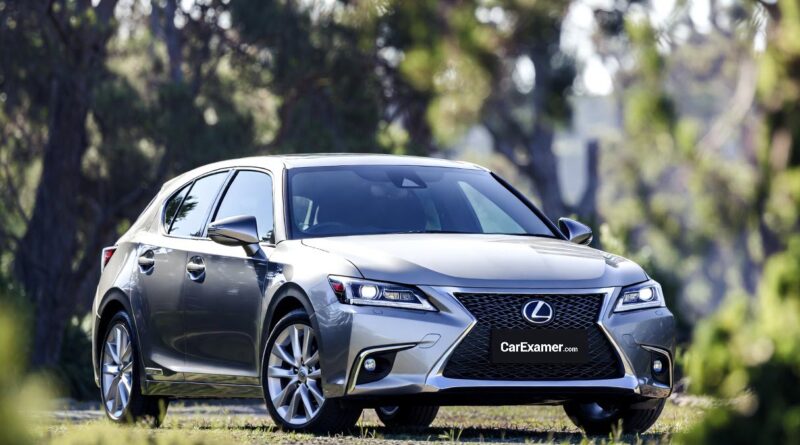
Lexus CT 200h Problems and Used Hybrid Buying Checks
The Lexus CT 200h problems I would check first are rough cold starts, recurring brake or hybrid warnings and gaps in the service history. I also look for corrosion and uneven tyre wear on cars that are now well into their second decade. A tidy interior and a short drive tell you only part of the story. Ask when the car was last started and get the newest service invoice, VIN and registration before travelling. If the seller says a warning was fixed, ask what was diagnosed and whether the problem returned.
Lexus’s UK CT archive records the car on sale from 2011 to 2021, with updates during that period. The CT 200h is a full hybrid hatchback. You do not plug it in. If you are looking at later driver-assistance or multimedia features, ask what is fitted to the individual car and confirm it at the viewing. Trim, year and country of supply affect the specification. If you need more room or want a plug-in, my Lexus NX buying guide covers the extra checks I make on Lexus’s larger SUV. For an older Lexus saloon, my GS buying guide covers the 300h, 450h and GS F, with attention to hybrid history and chassis condition. If you would prefer a newer compact crossover, my Lexus LBX buying guide covers the equipment, hybrid history and 12-volt checks I make on that model.
Ask for a genuinely cold start
Tell the seller you would like to see the first start of the day. When the car enters its ready state, the petrol engine may stay off at first. Pay attention when the engine does start. A persistent rattle, strong vibration, rough running or repeated misfire is something I would investigate before buying. Describe what you observed and when, rather than giving the garage a diagnosis. Ask whether the seller has noticed coolant or oil loss, how often they top up and whether a garage recorded any findings.
The RAC’s used CT 200h guide flags rough starts, oil consumption and brake noise among reported issues to look out for. Use reports like that to plan a viewing, rather than assuming all cars are affected. If coolant is low or there is a history of overheating, have the car assessed before agreeing a price. Check levels only when safe and never open a hot cooling system. A seller saying the car has always run like that is a reason to request evidence, especially if it becomes noisy when the petrol engine starts or has needed repeated top-ups.
Check the brake system and distinguish noises
During a suitable insured drive, check whether braking is even, predictable and free of warning messages. Look at visible disc faces and have a workshop check the inner faces when access is limited. Friction brakes can see less use on a hybrid. A pronounced wear lip, pitting or vibration is worth a closer look. State when the noise happens and which side it seems to come from. A ticking or screeching noise is a symptom and can have several possible causes.
Some US-market cars were covered by a Lexus customer support programme for the brake booster and pump. That document covers certain 2014 to 2017 model-year CT 200h vehicles in the US. It is not evidence that a UK car has the same fault or is eligible for the same programme. If an ABS or brake warning is present, get an appropriate diagnosis and ask Lexus about the individual VIN. Do not use an ordinary test drive to investigate a serious brake warning. I would want the diagnosis, quote and written account of any work before buying.
Review the hybrid system and 12-volt battery separately
Ask whether the car has failed to unlock, needed a jump start or displayed a hybrid warning. A flat 12-volt battery does not tell you the condition of the high-voltage battery. Ask what was tested and whether a warning returned after a battery replacement. Try both keys, watch for the ready indication and check whether warning messages remain. While driving normally, look for consistent response when the petrol engine joins in. Ask for a diagnostic report if the car repeatedly hesitates, displays warnings or the seller mentions recovery following a hybrid fault.
Request the latest Hybrid Health Check where available and see which vehicle, date and mileage it applies to. Ask the workshop what it measured. A report from a previous owner can be valuable as part of the history, but it is dated evidence. If you need a battery assessment, ask a qualified workshop to explain what checks it can perform and what its report will cover. I would factor the cost of an assessment into the purchase if the battery history is incomplete or there is a warning that has not been investigated.
Inspect the tyres, bodywork and underside
Look across the tread, including the inner shoulders, and compare the wear on the two sides. Ask whether sizes and specification match the car and whether a tyre has recently been replaced after an impact. If an edge is worn heavily, check for supporting evidence of an alignment or suspension inspection. On older cars I look at the accessible sills, wheel arches, jacking points and underside. Ask about repairs or fresh underseal if it covers an area you cannot assess. If there is significant corrosion or evidence of impact, get a suitably equipped workshop to inspect it before agreeing a price.
Try the air conditioning, windows, both keys and the parking equipment where fitted. Check the lamp operation, including the low beams. Look for condensation, moisture under the boot floor and signs of repairs around the bumper or tailgate. Check seat operation and bring the luggage you normally carry if boot space matters. If there is a persistent knock, warning or failed control, ask for a written diagnosis and a quote for the work rather than pricing parts by name from the advert.
Verify maintenance, eligibility and what you will pay next
Compare dated service invoices, MOT mileage and recorded repairs. An MOT pass records a result on one date. Read the GOV.UK MOT history for recurring advisories and ask how the seller addressed them. Look for servicing that suits the car’s age and use, including work documented when it covered few miles. Ask the workshop local to you to quote for the next service and relevant repairs by registration. An older CT can still have costs for tyres, brakes or an electrical fault that are large relative to the price of the car.
Check the Lexus UK recall and campaign service and confirm completed work where applicable. Ask a Lexus Centre what cover applies to this VIN. The Lexus UK warranty page explains service-activated cover and its limits. Lexus also describes a separate Hybrid Health Check route for eligible older cars. Confirm whether the individual CT is eligible and what the cover includes before allowing for it in your budget.
Compare a low-mileage CT and a higher-mileage one
I would ask how the car spent its time as well as how far it travelled. A CT used for short urban trips may show wear around the driver’s seat, load area and doors even if the miles are modest. One that sat for months might need attention to the 12-volt battery, tyres or brakes. A higher-mileage car with consistent servicing and a clear record of repair work can be easier to assess. Read the invoices in order and make sure repeated entries relate to the same car. Ask about any period when the vehicle was unused and whether the seller has evidence of how it was put back into regular use.
Make a list of the costs you can verify before viewing a cheaper car. Include the next service, any tyres close to replacement and any brake work the workshop identifies. Ask how much the garage would charge to investigate unresolved symptoms and how long the car might be off the road. If a seller agrees to complete a repair, get the job written down and check the finished work and evidence at collection.
Consider how the car will suit your normal driving. Try the driving position and visibility and check whether luggage fits with the rear seats in use. Listen on a main road if you often travel at those speeds. A short drive around an estate tells you less about the noise that matters on a longer trip. If you are choosing between two CTs, try comparable routes so you can judge the difference fairly.
My checklist before buying a CT 200h
- Match the VIN, service records and MOT mileage to the car and ask about unexplained gaps.
- See the cold start and investigate repeated rough running, fluid loss or warnings.
- Check brake feel and condition, and arrange a diagnosis for any recurring brake warning.
- Ask for hybrid and 12-volt battery records and confirm remaining cover with Lexus.
- Price the next service, tyres and confirmed work separately before agreeing a price.
If the car is far away or the history or condition is hard to assess, arrange a vehicle inspection and confirm access in advance. It can record visible condition and identify where closer diagnosis is needed. I would choose the CT with useful maintenance records and consistent behaviour on the day, especially if the only argument for the other car is a lower odometer reading.