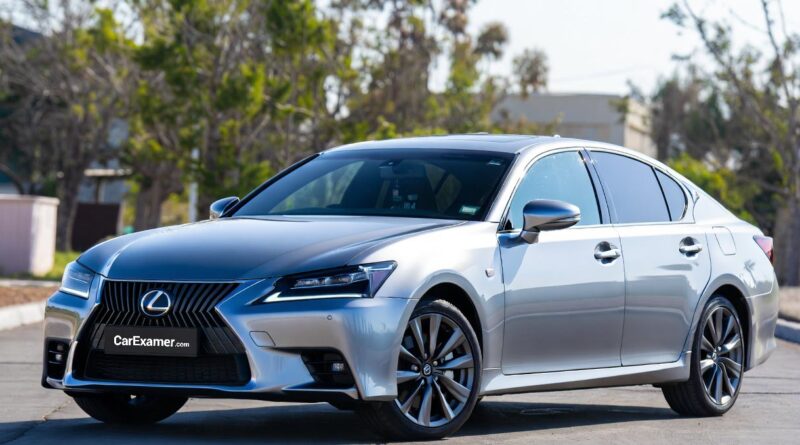
Lexus GS Problems and Used Hybrid Buying Checks
When I assess a used Lexus GS, the first question is which GS it is. A 300h, a 450h and a GS F have different engines, transmissions and running costs. On an older example I would pay particular attention to corrosion, fluid leaks, suspension wear and any brake or hybrid warnings. I want the service file to explain the car in front of me, including what was repaired and whether the original symptom returned. A quiet, comfortable test drive is useful evidence, but it needs to be considered alongside the paperwork.
Ask for the registration, VIN, exact derivative and latest service invoice before arranging a viewing. If you are also considering a Lexus coupe, my LC buying guide compares the V8, hybrid and Convertible and the checks each needs. Find out whether it was supplied for the UK or imported. If the advert describes a GS 350, for example, establish the original market and specification before applying UK model information. Ask to see the first start of the day and leave enough time to repeat checks when warm. If you are considering an older compact hybrid too, my Lexus CT 200h buying guide explains how I assess its service and battery evidence.
Identify the generation and distinguish F Sport from GS F
Lexus’s third-generation GS archive includes the GS 300, 430 and 460 alongside the 450h hybrid. Its fourth-generation archive covers the GS 250, 300h and 450h. Registration dates and imports can blur the boundaries, so use the build details and the car’s documentation. Ask a workshop for the maintenance schedule for the engine fitted. A timing-drive requirement quoted for a different generation can make the budget misleading. If you are looking for a larger luxury saloon, my Lexus LS buying guide covers timing-belt records, air suspension and the differences between the V8 and hybrid models.
F Sport is an equipment and chassis specification on relevant models. The GS F is a separate V8 performance model with an eight-speed automatic. The later GS hybrid technical information lists an electronic continuously variable transmission for the 300h and 450h. Check the actual drivetrain before deciding how a test drive should feel. On a hybrid, engine speed can remain high under sustained acceleration. On the GS F, you would assess its conventional gear changes and engagement as well as engine behaviour.
Check a hybrid from the ready indication onwards
On a 300h or 450h, look for the ready indication and note which messages remain after start-up. The petrol engine may stay off initially. Observe the transition when it starts, then assess response during ordinary manoeuvres and acceleration on a suitable insured drive. If a hybrid warning returns, record its wording and circumstances and ask for a diagnostic assessment. I would want a report identifying the VIN, date, faults found and the work recommended. Clearing a message without finding the cause leaves the buying question unresolved.
Ask for the most recent Hybrid Health Check if available. Match the report to the car, mileage and date and ask what the test assessed. A report records a result at a point in time. If the seller says a battery was replaced, ask whether the job involved the full assembly, a repair or another component and who supplied and fitted it. Request the invoice and written warranty. A range estimate or a brief quiet drive provides limited information about battery capacity. Discuss further assessment with a Lexus Centre or a qualified hybrid workshop if the history or current behaviour raises a concern.
Separate a 12-volt problem from a hybrid-system fault
Ask whether the car has needed a jump start, failed to unlock after standing or displayed multiple warnings. Test both keys and check whether the electrical equipment works consistently. A discharged 12-volt battery can affect start-up and access. Its condition is a separate question from the high-voltage battery. Lexus’s UK help centre explains the role of the 12-volt supply and how a retailer can assess it. Ask what was tested if the seller has replaced a battery more than once.
A car stored for weeks between journeys deserves questions about maintenance and how it was returned to use. Look for the dates of recovery calls, battery replacements and diagnostic visits. If a fault came back after repair, ask how the workshop investigated the recurrence. At collection, I would check the same controls and start-up sequence again. If the seller proposes leaving the car on charge before every viewing, ask for a proper battery and charging-system test rather than using that routine as evidence the cause has been resolved.
Look for coolant loss, oil leaks and rough running
Ask how often the owner tops up fluids and whether the engine has overheated. Check accessible levels only when safe and leave a hot cooling system closed. Look around accessible hoses, the water-pump area and beneath the car for fresh wetness or dried residue. If there is a mark, ask the workshop to establish the source. Coolant residue can indicate a previous leak or spillage, and the invoice and follow-up test help explain which. An apparently clean engine bay deserves the same questions as a dusty one.
Listen during the first engine start and repeat observations when warm. Persistent rough running, smoke, warning lights or unexplained fluid loss should be investigated before the purchase. For a V8 petrol or GS F, ask about software, intake and exhaust changes and confirm the specification with your insurer. A louder exhaust may make another noise harder to hear. I would use ordinary driving to check consistency and ask a specialist to investigate anything that cannot be explained from the service record and safe viewing checks.
Inspect the suspension, tyres and brakes as a group
Look across the tread, including the inner shoulders where accessible. Compare tyre sizes with the specification and check the fitments on each axle, especially on cars with different front and rear sizes. Ask why a wheel or tyre was replaced and whether alignment was measured after an impact. Uneven wear, an off-centre steering wheel and a knock over a bump can justify a combined suspension and alignment assessment. Replacing the tyre alone may leave the cause untouched. Note the speed, steering position and road surface when you hear a repeatable noise.
Inspect visible brake faces and ask for the inner faces and calipers to be checked where access is limited. Hybrid regeneration can reduce friction-brake use, so low mileage gives limited assurance about corrosion. Pulling, vibration, dragging or a brake warning needs diagnosis. On a GS F, get quotes using the actual brake equipment. Ask what the estimate covers across the axle and whether pads, discs and associated work are included. Defer a test drive if a serious brake or steering fault is suspected.
Check body repairs, corrosion and the equipment list
View the GS dry in daylight. Compare panel fit and finish, look around wheel arches and sills and ask about areas with repair evidence. Older cars need a close look at the accessible underside, subframes, pipes and mounting areas. An MOT history can help identify areas to investigate. If fresh coating or restricted access prevents a useful assessment, arrange suitable workshop access before committing. Ask for repair photographs and invoices rather than inferring the extent of an accident from paint alone.
Try the air conditioning, seat adjustments, mirrors, windows, parking equipment, boot release and every key supplied. Check for damp under mats and in the boot. If a screen, camera or audio component fails intermittently, note exactly what you can reproduce and ask for diagnosis. If the windscreen or bumper was replaced, ask whether the assistance equipment required calibration. Confirm that any advertised options are present and working. The equipment on a UK car and an import can differ even where the badge looks familiar.
Price servicing, recalls and cover for this VIN
Read the MOT history alongside the invoices, looking for repeat advisories and gaps. Use the Lexus recall and campaign checker and ask a Lexus Centre to confirm outstanding work. Follow the manufacturer’s instructions if an applicable safety recall remains open. Lexus’s UK warranty information describes service-activated cover and separate hybrid provisions. Confirm eligibility, expiry and exclusions for the exact car, particularly as an older GS may be outside ordinary vehicle-cover age limits.
Lexus’s published servicing page lists GS F in a different price group from the ordinary GS. Confirm the current price and scope by registration before using it in your budget. Ask what the next visit includes, which additional mileage or age-related items are due and whether the quote covers any diagnostic work. Compare the service figure separately from a repair estimate, since a scheduled service may leave an existing warning or noise for another appointment.
- Get a written quote for the next scheduled service using the registration and engine.
- Price tyres, brakes and confirmed repairs separately, including fitting and VAT.
- Ask who can diagnose an unresolved hybrid or transmission symptom and what the investigation costs.
- Record any work the seller promises and how completion will be demonstrated before handover.
An independent vehicle inspection can document accessible condition and identify where further workshop testing is needed. Agree access and a road test with the seller before the appointment. I would favour the GS with a clear record of maintenance and repairs, predictable behaviour and a realistic budget for what it needs next.