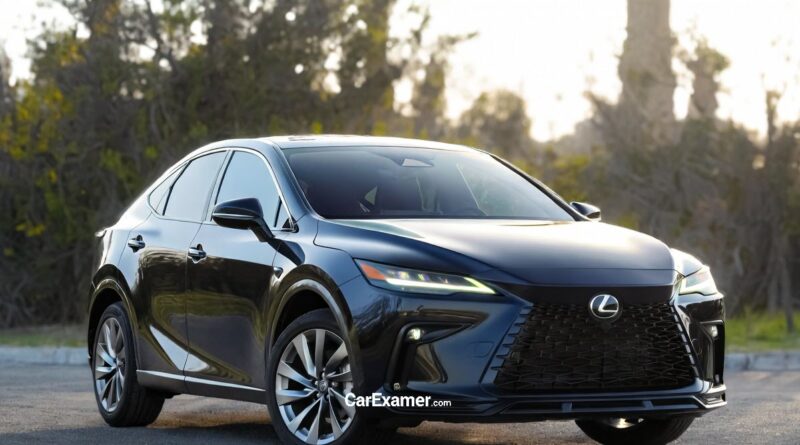
Lexus RX Problems and Used Hybrid Buying Checks
A used Lexus RX can be a comfortable family car, but the checks I make on a 400h are quite different from those I make on a 450h+ plug-in or a 500h. Start with the exact model, first registration date, mileage and VIN. They tell you which service history to ask for, how to test the car and whether a warranty could still apply. I pay particular attention to repeated battery or drivetrain warnings, brakes and tyres, and evidence of work after a collision.
Ask the seller for the last service invoice before you visit. Check whether it names the same vehicle, shows the mileage and lists the work done. I also ask when the car was last driven and whether there is a convenient way to demonstrate charging if it is a plug-in. If you are comparing it with a smaller Lexus SUV, my Lexus NX buying guide explains how I approach the equivalent hybrid and plug-in checks on that model.
Identify which RX you are buying
The Lexus RX archive covers the earlier 400h and the third-generation 450h. The fourth-generation Lexus archive also lists the longer RX L. Ask for the exact derivative on the sales documents. A similar badge does not establish the year, seating layout or drivetrain. Try the rear seats in person if the seller describes the car as a seven-seater.
For the fifth generation, Lexus lists three electrified powertrains. The RX 350h is a full hybrid, the RX 450h+ is a plug-in hybrid, and the RX 500h uses a turbocharged hybrid system with a six-speed automatic. On the 500h I pay attention to actual gear changes and selection of drive and reverse. On a full hybrid I would assess how the powertrain responds under sustained acceleration and during low-speed driving. On the 450h+ I add a charging session and check for consistent electric operation where conditions permit. If you can charge regularly and are comparing it with a fully electric SUV, my Lexus RZ buying guide covers AC and DC charging, battery records and the revised model range.
Check the 12-volt battery and hybrid history separately
Ask if the RX has failed to unlock, needed a jump start or displayed a hybrid warning. Get dates and ask what was tested. The 12-volt battery and high-voltage battery perform different functions. A receipt for replacing one gives little information about the condition of the other. If the symptom returned after a replacement, ask for a diagnosis that addresses the recurring problem. I record which warnings are visible and when they appear, then check whether that matches the seller’s description.
Look for a recent Hybrid Health Check if available. Confirm the VIN, mileage and date and ask what the check assessed. A report created years earlier describes the car at that time. If the seller gives you a battery percentage without a report, ask who measured it and how. A competent workshop can explain whether it can test the hybrid system or assess battery condition further. I would arrange that before agreeing a price if the car has an unexplained warning or the battery history is patchy.
Test an RX 450h+ on a working chargepoint
Ask the seller to leave enough space in the battery for a demonstration. Inspect the charge flap, visible socket and supplied cable. Ask the seller to show how the car acknowledges the connection and confirms charging is under way. Watch how the session ends and check that the cable releases normally. If charging fails to start, note the messages on the car and charger and check whether there is an active schedule. A test on a known working setup can help narrow the problem down. Repeated interruptions deserve diagnosis before you agree to buy.
Find out which cable or charging equipment comes with the car and what a replacement would cost. For a buyer who expects most journeys to be electric, compare real charging access and typical mileage with how the car drives and charges on the day. Weather and recent use affect the dashboard range estimate. I use it alongside the service record, charging demonstration and any test results rather than relying on an indicated range figure alone.
Inspect the brake discs, tyres and underside
I look at both axles for uneven tyre wear and check the inner shoulders where I can. Ask whether the sizes and load ratings match the specification and whether any recent replacement followed a puncture, alignment issue or damaged wheel. An RX can make a problem harder to spot if access to the inner edges is limited. If wear differs noticeably side to side, ask for an alignment and suspension assessment before budgeting for tyres alone.
On hybrids, friction brakes can see less use because the car also slows through regeneration. Look for pronounced corrosion, uneven wear or a lip on the visible discs, and have a workshop check the inner faces where necessary. Vibration, pulling or a rough feel are reasons to get the brakes assessed. Also look for heavy scrapes underneath and repairs around the sills or jacking points. On an older car, ask a workshop to inspect the underside on a suitable lift if corrosion or previous impact damage is suspected.
Try the seats, tailgate and driver assistance
Operate the seats and tailgate and check that each position you need is usable. Try the climate control for front and rear passengers where fitted. Test both keys, the cameras, parking sensors, windows and screens. If there is a panoramic roof, inspect the trim for staining and operate it as described in the handbook. Moisture under the boot floor or in a rear footwell is worth recording and following up. If the car is advertised as an RX L, try access to the third row and check what luggage space is left with the seats raised.
Compare body panel fit and paint finish in daylight. Ask for dated invoices and repair photographs where there are signs of work. If the windscreen or a bumper has been replaced, ask whether the equipment fitted to the car required recalibration and what records are available. Check for persistent warnings on a normal insured drive where appropriate. Have the workshop assess any unresolved warning. I prefer evidence that the problem was found and corrected, followed by a demonstration that it has stayed resolved.
Confirm recalls, warranty and the next bills
Use the Lexus UK recall and service campaign checker and ask a Lexus Centre to confirm the VIN if the result is unclear. The GOV.UK safety recall checker is another useful check. Ask for a dated record if the seller says the work was completed. Follow the manufacturer’s instructions before driving if any safety campaign remains open.
The Lexus UK warranty page explains that a qualifying service at an approved Lexus Centre can activate cover, subject to age, mileage and terms. Ask Lexus to confirm what applies to the particular car and check hybrid battery cover separately. For the running-cost budget I request written prices for the next service, tyres, brake work and any diagnosed fault. Find out whether parts, VAT and related work are included, and who pays for diagnosis if a fault is excluded from warranty.
Compare an older RX with a newer example
On an older 400h or 450h I would put the service and repair trail ahead of the optional equipment. If a seller has owned the car for years, ask what work they expect the next owner to do, which warning lights have appeared during ownership and whether a garage has checked underneath recently. If a service is described as complete, ask to see the invoice and compare it with the maintenance schedule for that engine and year. Check the insurance price and whether workshops local to you will tackle the work you are likely to need.
For a newer RX it can be tempting to compare cars mainly by mileage. I would also compare how they were used, how long they stood between services and whether the warranty and software campaign records add up. If a newer plug-in battery has spent most of its life uncharged, ask the seller to demonstrate it operating both on battery power and in ordinary hybrid driving. If you need it for towing, verify the limits and equipment for that exact variant. Ask the insurer and seller to confirm any towbar installation and have the socket checked before relying on it.
My checklist before buying a Lexus RX
- Confirm the derivative, VIN, seating and drivetrain against the car and paperwork.
- Match dated service and hybrid reports to the VIN and ask about recurring warnings.
- Demonstrate ordinary driving and test plug-in charging on the 450h+.
- Check the tyres, brakes and underside and review evidence of previous repair.
- Confirm recall status, cover expiry and the cost of upcoming work before paying.
If you are buying from a distance or want evidence of the car’s condition before negotiating, a vehicle inspection can document the accessible checks and identify work that needs specialist testing. Arrange charging equipment access in advance if you want a plug-in demonstrated. Between two similar RXs, I would favour the one with a clearer history, a consistent drive and written prices for any work due.