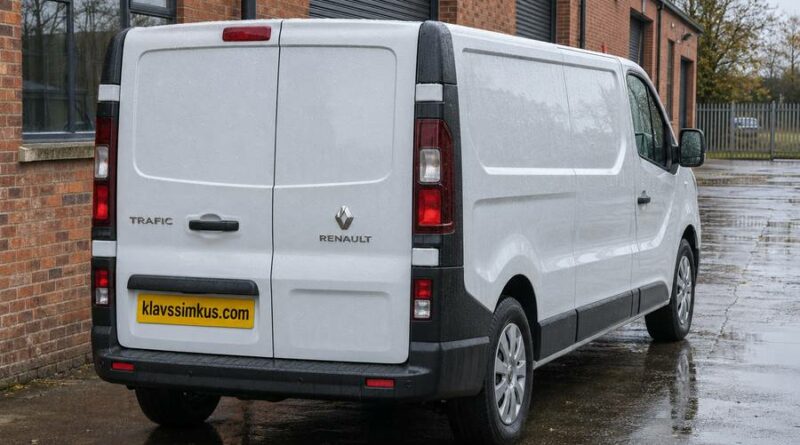
Renault Trafic Problems and Used Van Buying Guide
When I look at Renault Trafic problems, I start by finding out what the van has been asked to do. A tidy cab can hide years of heavy work. A scuffed load floor may have carried light boxes on regular motorway runs. Before I put much weight on the mileage, I ask about the routes, the load and the last time the van went off the road for an unexpected repair. The answers help me decide what to look for during the viewing and the test drive.
This guide focuses on used third-generation UK Trafics. Early examples include 1.6-litre dCi diesels and the 2019 update brought in 2.0-litre dCi engines and the option of an EDC automatic. Model names and power outputs can overlap in ads, so I confirm the engine and gearbox from the registration, VIN and paperwork. There is an electric Trafic as well. Its checks are different enough that I would allow extra time at the viewing.
Start with the van’s history and how it was used
I ask who operated the van, what it carried and whether it mainly did long runs or local calls. Multiple short stops can matter for a diesel emissions system, while heavy loads can leave clues in the suspension, tyres and cargo area. A fleet van with tidy maintenance records can be easier to assess than a lower-mileage van with only a few invoices. I look for the dates and mileages and check they tell a consistent story.
- Read invoices for the services and look at what was actually done, including the oil used if it is recorded.
- Ask whether the van had a towbar, heavy fixed racking, a roof rack or a conversion and whether any equipment is included.
- Check the registration and visible VIN against the paperwork. Ask early whether the advertised price includes VAT so you can compare the total you will pay.
- Read the GOV.UK MOT history for repeated advisories and compare its mileages to the service records.
I also ask for an explanation of any large gap in use. There may be a straightforward reason such as a seasonal business. Ask for paperwork for a significant repair if that is why it was off the road. The gap can be a prompt for a more careful drive and an underside check rather than a reason to decide against a van on its own.
Diesel emissions, injectors and turbo symptoms
I ask the seller to leave the engine cold. On arrival, I check how readily it starts and let it settle at idle while I watch for warnings. When a diesel runs unevenly or is hard to start, I ask what has been tested before taking a suggestion about injectors at face value. A useful invoice links the symptom to a test result. I pay particular attention when several parts have already been changed and the fault keeps returning.
The diesel particulate filter, exhaust gas recirculation system and AdBlue equipment where fitted are all worth checking in the history. I look for repeated exhaust warnings, previous forced regenerations and the reasons recorded for them. A seller may say that a longer trip clears a warning. I would still ask for a diagnosis if the warning keeps returning. Clearing it ahead of a viewing can make a brief road test less revealing without solving the underlying problem.
During ordinary acceleration I listen for unusual whistling and watch for a lack of power or smoke. I record the circumstances so a garage can repeat the check if needed. A boost-related warning can involve hoses, sensors or another fault as well as the turbocharger. A sustained metallic noise after starting also deserves investigation before purchase. If a seller claims major engine or turbo work has already been done, I ask for the invoice, parts used and what the garage found to be the cause.
Manual and automatic gearbox checks
On a manual Trafic I try the gear selection from cold and again after the van has warmed up. I pay attention to how the clutch takes up and whether the revs rise without matching road speed during normal acceleration. I listen for a sound that changes between gears or when the clutch pedal is pressed, then record the circumstances. A noisy van can send sound through the bulkhead and load floor, so I look for a pattern before drawing a conclusion about the gearbox.
If the Trafic has an EDC automatic, I test forward and reverse engagement more than once. Slow manoeuvres and an ordinary restart once warm can tell me more than a ride around a single block. I check whether the gearbox repeatedly hesitates, shudders or gives a warning under similar conditions. If the seller calls it a software fault, I ask for the diagnosis and what a garage has actually done. I also confirm the service requirements for the specific gearbox with Renault or a specialist.
Load space, sliding doors and the underside
Before leaving for the viewing I make a list of the awkward things the van must carry. A ladder may fit through a bulkhead hatch, but the passenger seating layout can change how useful that space is. For large cases, measure the narrowest point between the wheel housings as well as the door opening. If you need to park in a covered bay, include roof rails, a ladder rack or a vent in the height measurement.
I open the side and rear doors from the outside and confirm their locks and latches work correctly. Look for door gaps, dents near the hinges and signs that a damaged latch or roller has been worked around. On a work van, a door that sticks every morning can be costly in lost time. Inside I look for damage around the bulkhead, load tie-downs, rear threshold and wheel housings. Signs of water or badly sealed holes for racks and lights also warrant a closer look.
Renault’s current UK Trafic dimensions show why I check the actual body before buying. The published L1H1 panel van cargo length is 2,537 mm and the L2H1 is 2,937 mm, while the published L2H1 crew cab figure is shorter at 1,819 mm. These figures describe those listed variants. Measure the used van you are viewing, particularly if it has a false floor, extra seats or fixed racking. Payload also varies by specification and equipment, so check the vehicle plate and confirm what it can carry in its present form.
I check for uneven tyre wear, wheels that have struck kerbs and signs of damage underneath from a safe position. I look at any towbar electrics and ask what the van towed. If a conversion is part of the price, I ask for the installer’s documents and check everything I expect to use. A second battery, inverter or a powered step deserves a proper demonstration, especially if the previous owner fitted it themselves.
What changes if the Trafic is electric
On an electric Trafic I ask for a battery health report with the mileage, date and method. I check the charge flap and supplied cable and ask for a demonstration of charging. Ask the seller to show which charging connectors the individual van has. If you rely on rapid chargers between jobs, check that the van has the required hardware and try a compatible charger with the seller’s agreement. Look at the routes you need to do back to back, including motorway sections and winter work with a load.
I would also check the VIN-specific warranty paperwork. A dash range estimate reflects recent driving and weather, so I use it as one piece of information. A van which spends nights at a depot with its own charging may suit routes that would be difficult if you had to depend on public chargers. Leave investigation of damage near the high-voltage battery or a repeated charging warning to a suitably equipped EV specialist.
Get repair quotes and make a decision
I price the known jobs before any negotiation. For tyres, a scheduled service or worn door hardware, I ask for a quote matched to the actual van. For a warning that has yet to be diagnosed, I ask what testing the quote includes. Confirm whether the total includes parts, labour and VAT. If your work depends on the van, ask the garage about parts availability and how long it expects to need the vehicle. A cheaper repair can still be disruptive if it takes the van off the road for several days.
I check the official recall service and ask Renault to confirm outstanding campaigns by VIN where needed. My Renault UK model comparison gives an overview of the new van range alongside the passenger cars. For a closely related alternative, my used Nissan Primastar buying guide covers its diesel engines, gearboxes and loading checks. For a smaller van, my used Renault Kangoo buying guide covers the sliding doors, load space and electric version. If you are also considering a family vehicle with a third row, see my Renault Scénic and Grand Scénic buying guide. For a particular Trafic you intend to buy, a vehicle inspection can help you decide whether its paperwork, road behaviour and load-area condition support the asking price.