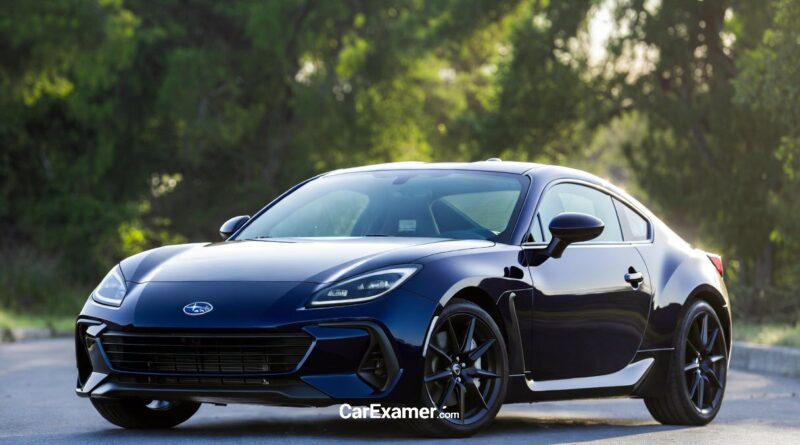
Subaru BRZ Problems and Used Buying Checks
When I assess a used Subaru BRZ, I start with the engine cold, read the service and recall paperwork and check for modifications or old repairs. On the road I pay attention to clutch operation, gear selection and noises from the rear. The important question is which findings need a diagnosis before buying. A clean car with a short test drive can still leave you with questions about oil use, hidden corrosion or an earlier repair.
Identify the generation and original market
The original BRZ uses a 2.0-litre flat-four petrol engine and rear-wheel drive. The RAC’s used BRZ review covers the first generation in the UK. If you see a later 2.4-litre BRZ advertised, check whether it is an import and ask for the original market, model year and VIN. Use the documents and build details rather than relying on the age shown by the UK registration alone.
With an import, ask for the overseas history, evidence linking it to the UK paperwork and confirmation of what insurers and workshops can support. Check the origin and units of the mileage records. My Subaru Impreza guide covers the all-wheel-drive alternative. My UK used car import guide explains the paperwork I would want to see.
Check whether the valve spring recall applied
Some early BRZs were subject to a valve spring campaign. In the United States, the Subaru recall notice filed with NHTSA identified certain 2013 model year cars and described a risk of spring fracture and engine stalling. That notice describes US-market eligibility. For a UK or imported car, use the GOV.UK used vehicle checks and ask an appropriate Subaru dealer to confirm the status for the VIN and original market.
If the seller says the work was done, ask for the record showing the VIN, date and workshop. Check what Subaru can confirm and ask about any later work involving leaks or a warning. If the position is unclear, ask the dealer what it needs to verify before you buy. I would avoid applying a whole model year or registration range to an individual car without checking.
Start it cold and ask how much oil it has used
Ask the seller to leave the engine cold. Listen at start-up and once the idle settles. Note any persistent rattle, misfire, smoke or warning without trying to identify the cause by sound alone. Look for accessible signs of leaks and ask about previous repairs and top-ups. A clean view from above tells you little about the areas hidden by covers and undertrays.
Ask how often the seller checks the level, how far the car has travelled between top-ups and whether a workshop has investigated. If the seller has receipts or notes, compare them with the service dates and mileage. An oil stain can spread away from its source. Have a specialist locate any leak and confirm the labour involved before pricing it. Stop safely and get help if an oil pressure or overheating warning appears.
Check the clutch, gearbox and differential in normal driving
With the seller’s permission and suitable insurance, check how the manual selects gears from cold and as it warms. Note repeated resistance, grinding or noise under ordinary use. Check whether the clutch engages consistently and whether the engine speed rises without a matching increase in road speed. If it is an automatic, look at ordinary changes and engagement in both directions. Describe when any symptom occurs and ask for a diagnosis before buying parts.
If you notice a whine from the rear, record the speed and whether it changes when easing off the accelerator. A noise you hear from the driver’s seat can have several sources, including tyres, bearings and the driveline. Ask the workshop to identify it and check for leaks or signs of previous work. If the car has a replacement clutch, gearbox or differential, read the invoice and ask why it was needed.
Look underneath for corrosion and previous repair
Look at the visible sill edges, jacking areas, wheel arches and exhaust. Ask what any fresh underseal covers and check for records or pictures showing the condition before it was applied. Get a suitable workshop inspection if access is poor or you see corrosion near a mounting or structural area. A look from the side of the car can help identify questions, while a lift gives the technician better access to answer them.
Check the paint finish and panel gaps in good light. Open the boot and look for signs of moisture or repairs around the accessible floor and seals. My paint thickness guide explains how I compare readings and look for supporting evidence. Check visible lighting for damage or moisture and see that the lamps work. Ask for the repair history where a panel, lamp or trim looks newly replaced.
Ask about modifications and track use
Check whether the wheels, ride height, exhaust or engine software differ from the original specification. Ask who installed the parts, what was changed and whether the standard parts come with the car. A modification may affect insurance, servicing or how the car can be used. Tell your insurer what is fitted and get a quotation for the specific car before you rely on the premium.
Ask about track use and look at the service and repair history around it. Check for records of brake, fluid or tyre changes and ask about any damage or recovery. My Caterham Seven 170 guide explains how I assess a lightweight sports car’s build history. I would put more weight on what the invoices and present condition show. Ask a workshop to check anything you cannot verify, including wheel clearance, underside damage or a persistent suspension noise.
Get the first bills priced before you make an offer
Use the GOV.UK MOT history service to compare mileage and look for repeat advisories. Check if the same tyre, brake, suspension or corrosion issue appears more than once, and ask what was done. My used car history check guide explains how I follow up evidence that appears inconsistent.
Ask for separate quotes for scheduled service work, tyres and brakes, and the investigation of any unresolved issue. If the garage confirms a fault, check which parts, labour and VAT the price includes. Ask whether work on an imported or modified car has different parts or access requirements. Keep a written record of what the seller agrees to repair and ask for the completed job sheet before collection.
Check tyres and brakes as evidence of how the car has been looked after
Read the sidewalls and check the tyre sizes, load and speed ratings against the vehicle’s approved fitment. Compare the wear across each tread and look at the inner shoulders where accessible. Ask about a wheel that has been repaired or replaced. If there is uneven wear, ask the technician to look for damage or worn components before setting an alignment figure. My tyre types and tread guide explains the checks I make at a viewing.
Ask for the brake specification and any invoices for replacement discs or pads. A performance pad may behave differently from a standard one, so find out what is fitted and whether it suits your use. During a safe test drive, note any repeated vibration, pulling or noise and describe when it happens. Ask a technician what can be seen of the inner surfaces and whether further access is needed.
Confirm the history and anything promised at handover
Put the service dates, miles and any engine or gearbox work in order. If the car has changed hands several times, check that the records refer to the same VIN. Ask the seller about any gaps or discrepancies before you travel. If part of the story depends on work from a previous owner, ask what evidence the seller can obtain and make a note of what is still missing.
Check both keys, the handbook and the puncture equipment that should come with the car. If the seller has agreed to include standard parts or rectify a fault, write down what will be supplied and how you can check the work. Keep the invoice and any parts information. It helps to know which parts are fitted whenever the car goes back to a workshop.
My Subaru BRZ buying checklist
- Confirm the model, engine, gearbox and original market using the VIN.
- Check recall status and ask for evidence of completed work.
- Ask to see the engine cold and check the paperwork for oil use or leaks.
- Assess how the clutch, gearbox and driveline behave in ordinary use.
- Inspect visible corrosion, tyre wear and modifications, then get quotes for the work due.
- Check that the seller can show the invoices for any recent work and agree how to verify repairs before taking the car.
Agree the scope of a vehicle inspection before paying. Ask which checks can be carried out at a viewing and which need a lift or specialist equipment. I would compare the price with other BRZs of similar specification and leave room for further investigation where a material finding is still open.