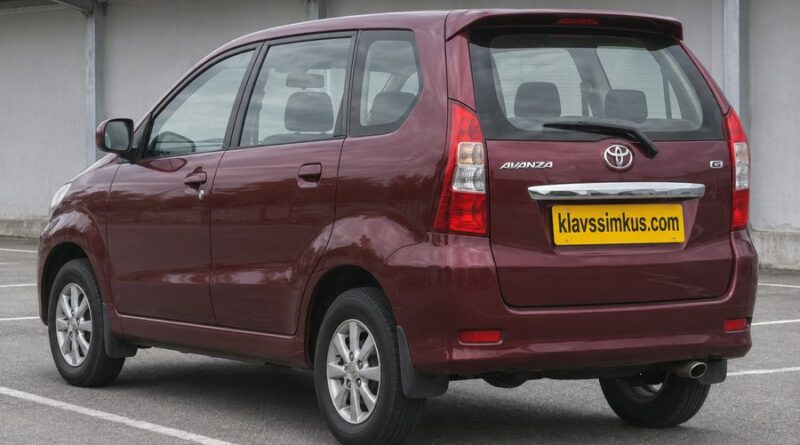
Toyota Avanza Problems and UK Import Buying Guide
When I check a Toyota Avanza, I start by confirming which wheels it drives and what sort of gearbox it has. An older rear-wheel-drive Avanza needs a different look underneath from a newer front-wheel-drive version. As a UK buyer, I would also check that the import documents tell a consistent story and that I have a local source for the parts I am likely to need. It can be an appealing small seven-seater if the actual car suits your passengers and budget.
Older rear-wheel drive or newer front-wheel drive?
Toyota Motor Philippines’ third-generation launch announcement describes a move to front-wheel drive in its 2022 range and identifies CVT options. Its Avanza specifications list examples of 1.3- and 1.5-litre petrol engines with manual or CVT equipment depending on grade. Earlier rear-wheel-drive versions can have manual or conventional stepped automatic gearboxes. Ask for the model code and build details because registration year and market affect which version you are viewing.
I want to see the model plate, the engine details and any documents showing the original grade. Use those details when asking a garage to quote. A seller who calls it a Toyota automatic may be using the same description for two very different drivetrains. If you are comparing the related newer seven-seater, my Toyota Veloz buying guide covers its own 1.5 petrol CVT and equipment checks.
Checking the rear driveline on an older Avanza
On a rear-wheel-drive car I listen for a hum that changes with road speed and a repeat clunk when taking up or releasing drive. A noise under the load floor may come from the prop shaft, differential, tyres or something loose inside. I would ask a workshop to check the shaft joints and rear axle and look for leaks around the differential. A drive gives you a reproducible sound. The lift check helps establish which part is actually responsible.
Check accessible floor seams, jacking points, axle and suspension mounts, sills and brake pipes from underneath. Look for bent parts, previous welding and thick fresh coatings. Ask for evidence of any repairs, including what was visible before they were covered. An older imported car may have very little British MOT history. Examine its current condition and get a proper repair estimate if there is anything structural to follow up. Stay clear of a car held up only by a jack.
Manual, stepped automatic and CVT road tests
On a manual, I check take-up, pedal feel and how the gears engage once the car warms. Revs rising faster than road speed under ordinary acceleration in gear can indicate slip. If it crunches or shudders, note which conditions make it happen. A stiff gear change can involve linkage, clutch release or the gearbox itself. I ask the garage to show its diagnosis before pricing a clutch or internal repair.
On an older stepped automatic, check engagement of drive and reverse and how the changes feel when accelerating gently. Delayed take-up or a repeated rise in revs between shifts needs investigation. On a newer CVT, engine speed can climb and hold as the car gathers pace. Repeated shudder, loss of drive or a warning is a different finding. Ask whether the transmission has been serviced and check the invoice for the correct fluid and schedule for the actual version. If it has already had a repair, I ask how the original complaint was reproduced and whether it came back.
Petrol engine, cooling and electrical checks
I ask to see the first cold start of the day. Watch how promptly the idle settles and look for persistent misfire, smoke or a warning. If a seller reports poor performance or fuel economy, ask when it started and what has already been tested. A rough idle can have several causes, including an ignition or air intake fault. Check for leaks, look at the accessible oil and coolant levels as the handbook directs and keep a hot coolant cap closed. A repeat top-up or overheating history calls for a proper diagnosis.
After the road test, run the air conditioning from the front and check the airflow to the rear. If the air stays warm, ask whether the system has leaked or has needed repeated recharges. A workshop can test for leaks and confirm what needs repairing. Operate windows, mirrors, lights, both keys and any parking aids. Non-standard stereo, camera or towing wiring should be tidy and backed by the installer’s paperwork if available.
Brakes, suspension and evidence of heavy use
Try normal braking on a safe road, checking whether the car pulls, vibrates or makes a repeat scraping noise. I inspect the tyres across the tread and look at the condition of the wheel rims. Uneven wear can be linked to pressure, alignment or suspension faults. A loose object or worn seat latch can sound like a suspension knock from the front seat, so I try to reproduce the noise after clearing the load area if the seller agrees. Get a garage to identify the worn part before budgeting for a repair.
Toyota Philippines’ front brake slide-pin boot campaign includes certain Avanzas built in late 2022 for that market. Toyota describes damaged boots allowing moisture and corrosion that can lead to earlier pad wear. Check the manufacturer’s VIN campaign lookup for Philippine-supplied cars, and confirm with Toyota in the original market for vehicles from elsewhere. An open campaign and a current brake fault each need their own follow-up. Ask for campaign completion records before buying.
UK registration, seats and actual running costs
Match the VIN or chassis number with the original paperwork and the V5C where the car is already registered. Keep the correct mileage units beside each dated entry and ask about replaced instruments or any changes to how the distance is displayed. Compare the UK service records with GOV.UK’s MOT history. Ask who completed any lighting or other conversion. If UK registration is pending, confirm which steps apply using GOV.UK’s import guidance before committing.
Check the seat folding, third-row access, head restraints and belts, and make sure your luggage still fits. Confirm the approved child restraint positions in the handbook. I would also check the air coming from the rear vents while sitting in the seats that will be used. A car that spent its time as a shuttle may have substantial wear around door shuts, seat mechanisms and cargo areas. Get service evidence from the original market and look for costs that may fall due soon.
Preparing for the viewing and the first year
Before travelling I ask for photos of the underside and any repaired areas, plus the documents the seller is willing to show. That can save a wasted trip if the gearbox type, seat layout or history is different from the advert. Ask whether all keys, the handbook and any locking wheel nut key come with the car. The history helps you plan the first service and gives a garage a better idea of what to check once it sees the vehicle.
Use an ordinary mix of road surfaces and speeds. At low speeds I check that the steering recentres smoothly and listen for any clunk while turning. On a level stretch I see whether the car tracks straight and how much vibration can be felt through the seat or steering wheel. If the seller allows it, try reversing into the sort of space you use most often. A camera that works and a clear view out of the mirrors are everyday checks worth making before deciding between two cars.
I put any first-year costs into the comparison, including tyres, scheduled servicing and repairs that will need an imported part. If a car needs immediate work, ask for availability and lead time before accepting a discount. A vehicle that is ready to use can work out better value than one with a lower price and several unresolved jobs.
My Avanza repair and purchase checklist
I use itemised quotes based on the exact vehicle, including parts availability, labour, VAT, diagnostics and any alignment or calibration. Imported lamps, trim, glass and electrical parts may take longer to source than ordinary service items. Ask who can diagnose the vehicle locally and check insurance using the exact variant and any modifications. Confirm that the garage can source the part before accepting the seller’s allowance for a repair.
- Older rear-wheel-drive Avanza. Pay particular attention to differential leaks, mounting areas and repeat driveline noise.
- Newer front-wheel-drive Avanza. Verify the gearbox and service history, then drive it cold and warm to assess take-up and response.
- Cooling or braking concern. Ask for the underlying cause and repair records, plus a VIN-specific campaign check where applicable.
- Import details. Match the papers and mileage units and confirm parts and local servicing before leaving a deposit.
I would choose an Avanza with clear history, working seats and equipment, and a sound drive and underside. If the car is far away or there is a fault you cannot assess yourself, an independent vehicle inspection can help you decide what to investigate before you commit.