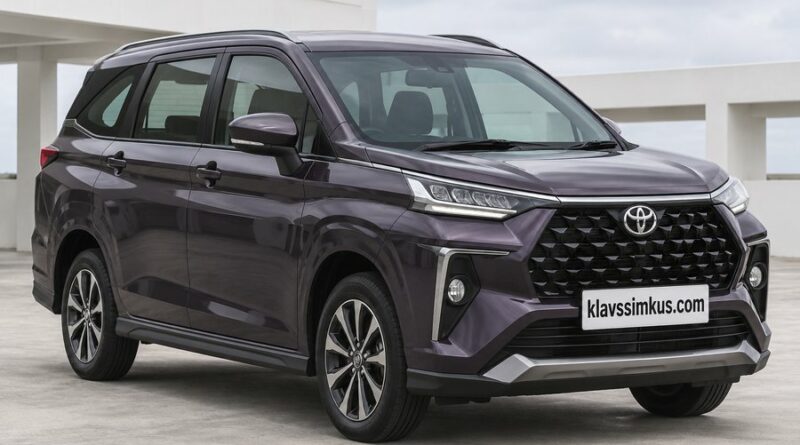
Toyota Veloz Problems and UK Import Buying Guide
A Toyota Veloz can be an appealing option if you need seven seats in a compact body. Before buying one in the UK, I would check the country it came from, the exact grade and whether I could get the right parts here. On the road I want to see steady response from the CVT and consistent braking. At the viewing I want to spend time in the back seats and try the equipment the seller says will work in Britain.
Identify the Veloz and its original specification
Toyota Motor Philippines’ 2022 launch information describes the newer Veloz as a seven-seat model with its own nameplate and 1.5-litre petrol CVT at launch. The Malaysian Toyota Veloz brochure specifies a 1,496 cc petrol engine and a CVT. This guide focuses on those newer 1.5 petrol examples. If the car was built for another market or has a different powertrain, use the VIN and original paperwork to confirm what is fitted before applying a service schedule.
The Veloz is related to the Avanza. My Toyota Avanza import guide explains the earlier rear-wheel-drive versions and the newer front-wheel-drive manual and CVT options. Equipment and parts still need matching to the exact model and build. I ask for photos of the VIN, model plate and controls when the description is vague. Check how many seats and belts are fitted and which driver-assistance features the car actually has. If you are comparing a larger Toyota, my Innova import buying guide explains the Crysta and HyCross choices.
Toyota Veloz CVT and petrol engine checks
I ask for a cold start and watch how quickly the idle settles. Try the transmission when cold and again after a proper warm drive. In normal manoeuvring, engagement of drive and reverse should feel consistent. A CVT can hold the engine at a higher speed while the car accelerates. I pay attention to repeat shudder, delayed take-up, unusual noise or a warning rather than judging the gearbox from the sound of the engine on one pullaway.
Ask the owner whether a transmission service or repair has taken place. Look for an invoice that identifies the installed gearbox and the correct fluid and procedure. If a seller says a fluid change cured judder, ask what diagnostic checks led to the work and whether the symptom returned. A fault may need testing of the engine, mounts and transmission before anyone can quote accurately. Try an appropriate incline as part of the route if the car is likely to carry passengers in hilly areas.
From cold, check accessible fluid levels as the handbook directs, and keep a hot coolant cap closed. Persistent roughness, misfire or low power needs a diagnosis. Ask about oil changes, warning messages and evidence of overheating. A dirty intake, ignition fault or mounting issue can feel similar during a short road test. Tell the garage what you saw and when it happened, so it can test the issue instead of guessing which parts to replace.
Brakes, suspension and the Philippine brake campaign
Toyota Motor Philippines published a brake slide-pin boot campaign for certain Veloz models produced between September and December 2022. It describes potential damage to the boot that could let water in, allow corrosion and contribute to earlier pad wear. Toyota’s notice calls for boot replacement and inspection of related hardware where required. Use the manufacturer’s Philippine VIN campaign lookup if that is the car’s first market. Check any other original market with its Toyota distributor. I want a dated, VIN-specific confirmation for any work the seller says was completed.
On a normal insured drive, check for pulling, a repeat vibration and scraping under braking. Look at accessible disc and pad surfaces, and ask a workshop to see the parts you cannot assess safely at a viewing. I also check each tyre’s tread and sidewall and compare the sizes to the specification. An edge worn faster than the other can tell you to look at pressure, alignment or suspension play. A repeated clunk over rough surfaces deserves a traced cause before you put a figure on repairs.
Third-row space and electrical equipment
Try the second row’s normal sliding or folding controls and sit in the third row. I check that the seats latch firmly, the belts retract and the head restraints are present. If children will use the car, confirm the approved restraint positions in the handbook and try the seats you intend to fit. Check how much space remains behind the third row and open the tailgate in the sort of place you usually park. Compact dimensions can help in town while leaving less room for bags with all the seats raised.
Test rear airflow, climate controls, windows, locks, both keys and every camera or parking sensor the advert promises. Safety and convenience equipment varies by grade. The Philippine launch material lists different equipment for its G and V variants. I pair my phone and check whether the features I will use work with it. Ask for proof of any calibration where a windscreen, front-end or camera repair makes that relevant. Arrange diagnosis of repeat dashboard warnings before buying.
Cabin noises can come from spare tools, seat latches, trim or suspension. Empty loose items from the boot if the owner agrees and repeat the route to narrow down the source. I also inspect the load floor and carpet edges for damp and check around door and hatch seams for evidence of repaired damage. If the car has a recorder, head unit or accessories added after manufacture, look for invoices and tidy visible wiring.
UK import paperwork and parts support
Compare the VIN and identity on the vehicle with the original registration or export records and the UK V5C if it is already registered. Keep mileage units visible when you line up the readings and dates. If the dash or units have been changed, ask for the invoice and what was done to the odometer display. Review the UK MOT history and make allowance for the years the vehicle spent elsewhere. Ask for original-market service and incident records.
If UK registration is pending, use GOV.UK’s vehicle import guidance to establish the steps for that vehicle. Check the lighting, instrument display and any required conversions, and ask who carried the work out. On an imported vehicle I get an insurance quote before leaving a deposit. Confirm that a workshop can diagnose the car and obtain correct parts. Lamps, cameras, glass and trim can take longer than routinely stocked service items.
The extra checks I make on an unfamiliar import
When I look at an import for the first time, I like to see the invoices before the car is presented for the drive. A seller who knows the vehicle can explain why it left the original market, how it was prepared for Britain and what was needed after arrival. Ask what the last service covered and when the next one falls due. If the service record is incomplete, get a workshop to quote for the work needed to establish a reliable starting point. Take the cost and delays into account before paying a deposit.
Inspect the front and rear lamps and the lower bumper edges for damage, condensation or loose fittings. On cars with cameras or radar, ask who checked the system after an impact near those areas. I would also inspect the windscreen and any bonded rear glass. A small defect can be straightforward to repair, but replacing glass with the right bracket, heating or sensor equipment can be more involved on an import. Confirm the specification with the supplier and check what the insurer needs.
For a car that will spend most of its time carrying family, I would try an actual journey that involves town speeds, stop-start traffic and a faster stretch. See whether the seat and driving position suit you and whether you can hear or feel anything repeat. Ask about journeys made with all the seats occupied and check the condition of the rear tyres and brakes in that context. The right choice is the vehicle that fits your use and whose condition you can verify.
Repair costs and my Veloz shortlist
Base any allowance on faults confirmed on the individual car. Ask for labour, parts, VAT, delivery and any programming or calibration to be identified. Get a timescale if a part has to be imported. When you need the car daily, a short wait for routine parts can make more difference than a small saving on the purchase price.
- CVT hesitation or shudder. Get the findings for the actual transmission and check previous service work before agreeing to a repair estimate.
- Brake or suspension concern. Confirm the affected parts, recall status if relevant, and fitting or alignment costs.
- Air conditioning or rear blower fault. Ask whether it was tested for leaks, electrical faults or control issues before pricing a recharge or compressor.
- Camera or lighting damage. Confirm the original-market part and include fitting, delivery and any needed calibration.
I would choose a Veloz with coherent records, a smooth warm drive and a cabin that suits the passengers I carry. If a seller cannot explain the history or a fault needs checking in person, a vehicle inspection can give you a clearer basis for deciding what the car is worth.