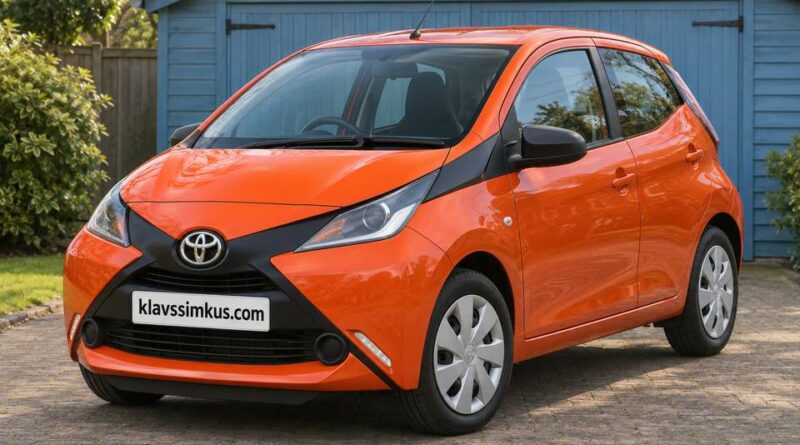
Toyota Aygo Problems and Used Buying Guide
For a used Toyota Aygo, I would ask the seller to leave the engine cold, find the service invoices and give me time to lift the boot floor. A small city car can hide a damp cabin, a slipping clutch or years of MOT advisories behind a tidy advert. This guide covers the original Aygo generations and the checks I would make before buying one in the UK.
Which Toyota Aygo are you considering?
Toyota’s archive groups the original Aygo into two generations, from 2005 to 2014 and from 2014 to 2022. Toyota developed these city cars in collaboration with Peugeot and Citroën. If you’re comparing its sister car, my Citroën C1 buying guide covers the C1’s 1.2 PureTech, ETG gearbox and Airscape roof. The second generation is recognisable by the prominent X shape across the front on its original design. The later Aygo X is a different model. My Toyota Aygo X buying guide explains the newer models’ petrol manual, CVT and full hybrid options. Match the build and registration details to the advert, especially on a car registered at the changeover.
The 1.0-litre three-cylinder petrol is the version most buyers will find. The second-generation launch information lists a five-speed manual and x-shift, an automated manual that operates the clutch and selects gears for you. It has a different driving feel and different faults to investigate from a conventional automatic. If you are also looking for a little more room, my Toyota Yaris buying guide covers the larger Toyota hatchback.
Manual clutch wear and gearbox checks
For a manual Aygo I check how it pulls away and whether the gears select cleanly on a normal test drive. I try the car at low speed and again once warm. Repeated judder, difficulty selecting reverse, a change in pedal feel or rattling when the clutch is pressed all give me something to follow up. A high biting point alone leaves several possibilities. When the engine revs rise without a matching rise in road speed under normal acceleration in gear, clutch slip is worth investigating.
Ask when the clutch was replaced and whether the invoice records the kit and any related work. A repair from years ago gives some context, but you still need to assess how the car drives now. If the gearbox feels stiff, find out if the complaint occurs with the engine off or running and whether it affects a particular gear. Clutch release, linkage and gearbox wear call for different work. I would ask the garage which check led it to the part it wants to replace.
What to check on an Aygo x-shift
Drive the x-shift in ordinary traffic if you have permission and insurance. It can pause briefly while it changes gear. I want to know whether it selects drive and reverse reliably, whether the take-up feels consistent and whether any warning appears when it gets warm. A repeat failure to engage, excessive shudder or a flashing gear indication needs attention. Test on a suitable road and ask the owner to show you how they use the controls on inclines and when parking.
I would ask for any history of clutch, actuator or calibration work. The clutch is still a wear item even though the car has no clutch pedal. For a fault, a specialist should confirm what is happening in the gearbox and clutch control systems, check the actuation and clarify what calibration is needed after a repair. An advert that simply says “automatic gearbox fault” provides too little information to agree a price.
Water leaks around the boot and cabin
Lift the boot mat and look into the spare-wheel well or storage recess. Check for damp fabric, tide marks, a musty smell or rusty fasteners. A seller may have dried the top surface without seeing the water trapped underneath. I also feel along accessible carpet edges and look around the rear lamps, hatch seal and door openings. The lowest wet point is where water ends up. It can enter higher up and run behind trim before you see it.
If the seller says a seal was replaced, check the invoice and ask whether the leak was tested after the repair. A workshop can trace the route with a controlled water test. On a car with a fabric roof, I operate it if conditions allow, inspect the accessible material and seals, and look for staining along the headlining. Repeated damp may also affect connections, interior fittings or the smell of the car. I would put an unresolved leak on the list of repairs to price before buying.
Engine noise, exhaust and emissions
A small three-cylinder engine has a distinctive sound. I listen for noise that persists after a cold start, a misfire or a rattle that changes when the engine is warm. The second-generation technical specifications describe a chain-driven valve mechanism on the later 1.0. A noise on start-up needs to be traced before ordering timing-chain parts. Ask for oil-change invoices, check the oil level as the handbook specifies and ask about top-ups or any previous engine work.
Underneath I look for exhaust leaks, worn mounts and evidence that the catalyst or adjoining pipe has been replaced. A ticking sound, an engine light or an emissions failure can have several causes. I would check the MOT record and get the current fault diagnosed before pricing a catalyst. Ask what part was fitted if the seller has an invoice, and look for tidy joints and secure mountings. A workshop lift is the safest way to view the underside. Keep clear of a car supported only by a jack.
On early cars, check the safety campaigns. Toyota announced a European accelerator pedal recall covering certain Aygos produced between February 2005 and August 2009. Use Toyota’s recall checker and ask for proof of completion where relevant. If an accelerator sticks or fails to return properly, have the fault dealt with before a road test.
MOT history, corrosion and electrical checks
Look up the MOT history before travelling. I look for repeat brake, tyre, suspension and corrosion advisories, then check what has actually been repaired. Older sills, lifting points and mounting areas deserve a proper look. On a rough road listen for repeat knocks and check how the steering and brakes feel in normal use. A knock could come from a loose fitting, worn suspension joint or damaged spring. A garage should show you what it found before quoting for several parts.
Operate the windows, central locking, lights, wipers, demister and fan while you have the keys. If the car has air conditioning, give it time to cool and ask whether it has been recharged repeatedly. Leaking refrigerant needs an investigation before paying for another recharge. If fitted, test the touchscreen, Bluetooth and reversing camera. On a first car, I would try both keys and check that whoever will drive it is comfortable with the seating position, visibility, parking and the size of the boot.
What affects Toyota Aygo repair costs?
I compare the asking price with the likely cost of the specific repairs and maintenance the car needs. Two cars at the same price can make very different purchases once you account for tyres, a clutch and an overdue service. Obtain written quotes based on the registration or VIN. Ask about labour, parts, diagnosis, VAT and any work that might only become apparent after dismantling.
- Manual clutch. Ask which parts are included and whether any leaks or other issues have been found around the gearbox.
- x-shift faults. Ask what testing has established about clutch wear, actuation and calibration, and get the scope of work in writing.
- Water ingress. Trace the source before buying seals. Ask whether the quote covers drying the cabin and testing the repair afterwards.
- Brakes or tyres. Check the sizes, condition and axle involved. Ask whether corrective work or alignment needs to be included.
- Exhaust and warning lights. Get the cause confirmed and ask exactly which section or component the quote covers.
What I check before paying a deposit
On a low-priced car I check the age and condition of all four tyres, including the inner edges where I can see them safely. Uneven wear can point to an alignment issue or previous damage, and a new set of tyres can change the economics of a cheap car. Compare the tyre sizes and types with the specification, ask why any damaged wheels were replaced and see how the car tracks on a level road. I also check for uneven panel gaps and overspray in the door shuts. On a city car, small bumper scuffs might be acceptable. Distorted structure or mounting points deserve a proper assessment.
I put the invoices in date order and compare the readings with the MOT history. Ask what the next service needs, whether there are two working keys and when the brakes or tyres were last replaced. If it is a first car, obtain an insurance quote for that exact registration before committing. The cost of insuring two versions that look similar online can differ, and the bill matters when you are deciding what you can afford to spend.
I would shortlist the car with a dry interior, the clearer service history and a clutch that behaves properly on a warm drive. If you cannot get a good look underneath or the seller cannot explain a warning light, a vehicle inspection can help you decide whether its condition justifies the price.