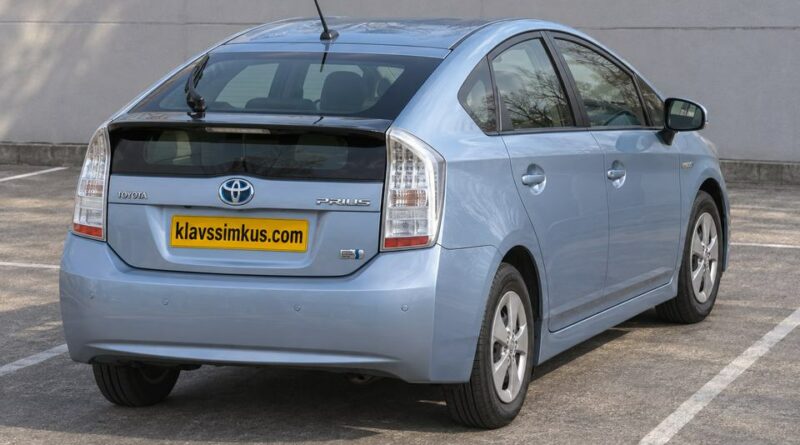
Toyota Prius Problems and Used Hybrid Buying Guide
I start a used Toyota Prius check with the car cold and with the service records to hand. I want to see it go into READY, feel how it brakes and know whether the seller has had to top up the coolant. On an older Prius those checks tell me more than the economy figure on the dashboard. This guide explains how I assess the car, what needs a specialist diagnosis and which records I would want before buying.
Which generation of Prius are you looking at?
Toyota’s UK archive lists the third-generation Prius from 2009 to 2016 and the fourth from 2016 to 2022. The overlap is a reason to match the model and build details to the VIN, especially on an import. If you want a larger saloon, my Toyota Camry Hybrid buying guide covers the UK 2.5 hybrid, fleet history and overseas versions. The UK range also included plug-in versions. Toyota returned to the UK market in 2024 with a newer 2.0-litre Prius Plug-in. Ask for the exact version before relying on a battery, charging or maintenance checklist.
I check whether the vehicle was supplied new in Britain, what body style it is and whether the documents match. Japanese-import equipment, odometer units and campaign coverage can differ. On an import I line up overseas and UK records by date and keep each reading in its original units until I can compare like with like. Ask for evidence of any cluster replacement or conversion. If you are comparing other Toyota hybrids, the Corolla Hybrid buying guide covers the hatchback and Touring Sports estate.
READY, the 12-volt battery and traction battery
Ask whether the car has needed a jump-start and how often it has gone flat. The 12-volt battery runs the low-voltage systems needed to start the car’s electronics. The larger traction battery assists in driving it. Toyota’s UK Help Centre sets out the distinction. I want to see READY appear, even if the petrol engine stays off initially. Repeated recent jump-starts warrant a 12-volt battery and charging-supply check, with investigation for a drain if the symptoms persist.
On the road I look for smooth power delivery, a steady response to the accelerator and no recurring warnings. A change on the battery display can reflect what the car is doing at that moment. It is a poor standalone measure of battery health. For any reported hybrid fault, ask a specialist to check the relevant systems and explain the findings. I would want the exact warning and codes, the conditions when they appeared and a dated report. For eligible cars, verify current cover with Toyota by VIN before committing to a battery bill.
Check the accessible cabin air intake for the hybrid battery where applicable. Covers, dirt or pet hair can obstruct it. I ask about liquid spills, water ingress or upholstery work nearby. If a traction battery has been replaced or repaired, get the invoice and find out whether the work involved a new assembly, a reconditioned unit or selected modules. Check what the warranty paperwork says about transfer to a new owner. Leave high-voltage work to a qualified technician.
Inverter faults and recall evidence
Toyota announced a boost converter software recall in 2014 covering certain third-generation UK Prius cars. Toyota described a risk of damage within the inverter assembly, with warnings or reduced power possible. This is an example of why I check VIN-specific campaign status. A hybrid warning on its own gives no assurance that the campaign is relevant, and an earlier update does not establish the cause of a current fault.
Use Toyota’s UK recall checker and contact Toyota with the VIN if the answer is unclear. For an import I would also confirm it with the manufacturer in its original market. Ask for the date and campaign reference for completed work. If there is an open safety recall, have the seller arrange the remedy before you commit. For a current warning, obtain a separate diagnostic report and budget on the basis of its findings.
Cold-start roughness, oil use and coolant loss
I ask for an unprepared cold start. Once the petrol engine comes on, listen for prolonged uneven running or a knock and look for persistent smoke. If a fault happens for only a few seconds on the first start of the day, a car that has already warmed up may hide it. Ask the seller to explain any repeat warning, loss of coolant or top-up. Check accessible fluid levels from cold according to the handbook. Keep hot cooling systems closed.
On an older high-mileage Prius, rough running can lead a garage to check ignition, intake and EGR operation, amongst other causes. A water pump or cooling-system fault needs its own assessment. If the coolant is disappearing or the engine repeatedly misfires on start-up, ask for proper tests of where the coolant is going and why the misfire occurs. A cleaned EGR valve, new spark plugs or a drive without a warning light tells me only part of the story. Ask which symptom led to the work and whether it ever returned.
I ask how much oil the owner adds between services and look for service dates, mileages and leaks. A low reading at a viewing is an immediate finding. An accurate account of top-ups and any diagnostic history is useful when deciding how much risk to take. Independently check the report if oil use or coolant loss is significant.
Brakes, e-CVT and the road test
I pay particular attention to the brakes during an ordinary, insured drive. Look for consistent pedal feel when slowing gently and any repeat pulling, grinding or warning message. If there are ABS or brake system warnings, get the relevant control system checked and avoid driving further until a professional has assessed it. A pump noise alone gives limited evidence about the actuator. Record when the noise or warning occurs and ask the garage to confirm which system is at fault before pricing parts.
The Prius hybrid uses an e-CVT. The engine can hold higher revs under acceleration while road speed rises steadily. I would investigate a repeated shudder, a whine that changes with road speed or a loss of drive on its own merits. Tyres and bearings can complicate the diagnosis of a road-speed noise. If a seller says a generic automatic gearbox service has resolved a fault, ask for the work and test results specific to the Prius.
On a lift, check the conventional brake discs and pads, including the harder-to-see inner faces. I also inspect suspension mounting areas, springs, tyres, brake pipes and the exhaust. From the cabin, listen for a knock on a rough surface and check tyre wear across the tread. Look for evidence of exhaust cutting or previous replacement and ask for invoices if parts have been changed. On an older car, follow up corrosion advisories with a view of the affected area.
Fleet history, imports and plug-in checks
Where a car was used for private hire, I compare GOV.UK MOT history with service and repair invoices. Wear on rear belts, door shuts and seats can prompt useful questions, as can wiring or holes left by removed equipment. I lift the load floor and look for damp or signs of a rear impact. If the car looks as though it has had extensive paintwork, ask what happened and request records or photos. With an imported Prius I also check both keys, multimedia, lighting and the paperwork for any UK conversion.
On a plug-in, inspect the charging cable and inlet for damage and ask the seller to demonstrate a charge at a compatible point. Check that the car accepts power and that any supplied cable suits where you intend to charge. Electric range varies with driving and conditions, so use the display as context alongside a battery report and a longer drive if range matters to you. I also ask who will service that version and how they will diagnose a charging fault.
Toyota Prius repair costs and my shortlist
I use itemised quotes against the registration or VIN. Ask for diagnosis, fitting, VAT and programming to be set out where appropriate. A 12-volt battery, traction battery, inverter and brake actuator are separate jobs. A dealer campaign may also have a separate remedy. Check that you are comparing the same scope, parts and warranty before negotiating the price.
- Ask for a cold start, then drive the car long enough to warm it up and check braking and power delivery.
- Match the VIN, mileage units and documents. Ask for campaign records and invoices for major repairs.
- Check conventional brakes on a lift. Follow up repeat MOT advisories, fluid loss and warning messages.
- For a plug-in, check the cable and see the car charging before you buy.
One final check I make is to ask for both keys and try each one at the car. Look through the owner’s manual and the last service record with the seller. A low-mileage Prius may have spent long periods parked, so check the dates between services, test the 12-volt battery if there are signs of weakness and see what work falls due next. Those answers help me compare the likely first-year cost of two examples.
I would buy the Prius with the clearest records and the fewest unanswered questions. If the seller is far away or the car has a warning you cannot verify, a vehicle inspection can give you a clearer basis for deciding whether to proceed.