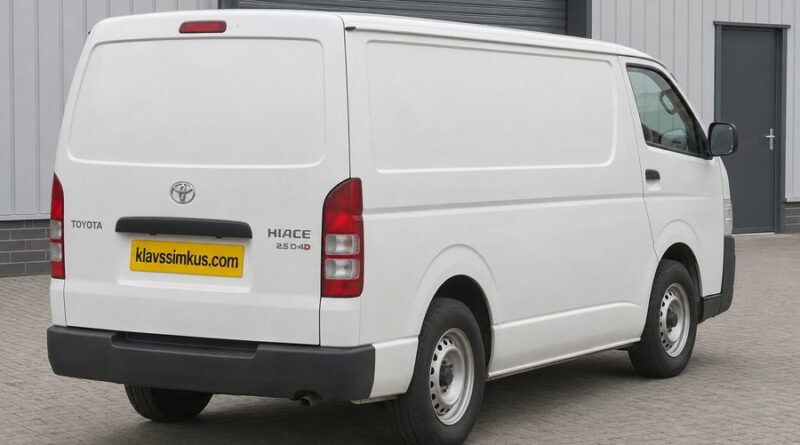
Toyota Hiace Problems and Used Van Buying Guide
When I inspect a used Toyota Hiace, I look underneath before taking much notice of the mileage. A van can start well and still have serious corrosion around a mounting point, a tired clutch or a cooling problem that only appears when it is working. For a camper or imported passenger version I also check the paperwork, the weight plate and whether I can get the right parts locally. Those checks tell me if the van is going to suit the job I am buying it for.
Identify the UK Hiace, import or camper base
Toyota’s UK archive covers the Hiace sold from 2001, with a 2.5-litre D-4D diesel and a revised model up to 2012. Short and long wheelbase versions had different working space and equipment. You can also find older vans, Japanese imports and more recent overseas models using the same name. For comparison, Toyota Australia’s HiAce range includes newer van and commuter versions. Get the chassis number, model and engine details before assuming one schedule or parts list covers them all. If you are considering a newer medium van, my Toyota Proace buying guide covers diesel emissions and electric charging checks.
Check whether the history fits its present configuration. A panel van may have been converted, and an imported minibus can come with different seats, rear climate equipment and driveline parts. If you mainly want a family people carrier, my Previa and Estima buying guide covers the separate Toyota MPV and the paperwork I ask for on imported examples.
Corrosion, load floor and previous repairs
I look at the chassis rails or longitudinal structure, sills, jacking points, crossmembers and suspension mounting areas. Also look at the brake pipes, fuel tank mounting area and visible seams. Heavy scaling, weakened metal or patch repairs around a structural point call for assessment by a workshop with access to a lift. Fresh underseal can hide repairs or corrosion. Ask to see photos taken before it was applied and ask who did the work. Never get under a van supported only by a jack.
Before travelling, check the MOT history on GOV.UK for recurring brake-pipe, corrosion and suspension advisories. Follow the wording across several years and see which faults have documented repairs. Look at the load bay as well. What seems like normal wear at floor level can hide dented mounts, damaged door apertures or damp beneath a lining. On a working van I expect signs of use. A bent structure or poorly attached rack needs a closer look before I price the vehicle.
Diesel cold start, injectors and turbo diagnosis
Ask the seller to leave the van cold. I check how long it takes to start, whether the idle settles and whether smoke or a warning remains once it is running. Ask for invoices for oil and fuel filter changes and any work on the injectors or turbo. If an injector has been replaced, find out what led to the job and whether the symptoms returned. Repeated poor starting, rough running or lack of power can have several causes. I would get the actual diagnostic readings and findings before paying for a set of injectors.
A whistle under load or smoke on acceleration is a starting point for diagnosis. Intake and boost hoses, controls and fuelling may need checking alongside the turbo. Identify the emission equipment for that market and engine before relying on a DPF checklist. A fault history should show what the garage tested and what it fixed. For a van that spends its time loaded, I want a road test long enough to see how it drives warm and whether it holds speed smoothly under light and moderate load.
Cooling and maintenance before hard use
Check oil and coolant levels in accordance with the handbook, with the engine cold where required. Leave hot coolant caps closed. I look around the visible radiator and hose connections and ask if the owner has needed regular top-ups. A vehicle with a rear heater or converted interior can have additional equipment to inspect. Confirm that the cabin heat works normally once the engine has warmed and pay attention to warnings or an unstable temperature. Any history of overheating needs a clear explanation and evidence of a confirmed repair.
Identify the exact engine and follow its maintenance schedule for the timing drive and fluids. I ask for dates, mileages and details of the parts used on significant jobs. A handwritten note on a cover might prompt a question, but a dated itemised invoice is better evidence. If a big service is due and the paperwork is missing, get a quote now and include it when you compare two vans.
Clutch, gearbox, suspension and brakes
On a manual Hiace, check take-up, pedal feel and the ease of selecting every gear during ordinary driving. A clutch that slips under load can let the engine revs rise ahead of road speed. On a hill-start route, agree a safe place to assess normal pullaway. If the van has a different transmission, confirm what it is and check for repeat delays or harshness after warming up. A clunk when taking up drive could involve mounts or driveline parts, so ask the workshop to locate the noise before approving repairs.
Look at tyre wear along the inner and outer edges, check their load rating against the vehicle specification and inspect wheels for kerb or other impact damage. A knock over bumps may lead you to a joint, spring, shock or loose fitting. I also look at how the van sits and ask about heavy regular loads. During a normal insured road test, check that it slows smoothly and holds its line. On a lift I would check visible discs, pads, pipes and suspension as part of one assessment.
Camper conversions, payload and paperwork
A conversion can use up a substantial share of the van’s carrying capacity. Compare the ready-to-travel weight with the plated maximum and the axle limits. GOV.UK’s vehicle weight guidance explains maximum authorised mass and where to find it. I would use an appropriate weighbridge if the margin is unclear. Include water, furniture, luggage and passengers in your plan. Check the mounting of seats and storage, inspect visible auxiliary wiring and ask for the conversion invoices. Have specialist installations assessed by someone qualified if you cannot confirm their condition.
An import needs a consistent history. Compare the chassis number with the V5C and overseas documents, and retain the original miles or kilometres beside each mileage record. Look at any speedometer or lighting conversion and check for evidence of who did the work. Use Toyota’s UK recall checker where applicable and confirm import campaign status with Toyota in the original market. If you rely on driving into a charging zone, check the individual registration against the scheme’s current rules before buying.
Open every cargo door, work the locks from both keys and test any rear heating, lighting and electrical outlets you will depend on. Check the load space against what you actually carry. If ladders, bikes or furniture are part of the plan, measure the door openings as well as the space inside. A good working height and door layout can make a bigger everyday difference than a higher trim level.
Toyota Hiace repair costs and what I would buy
I get written estimates for the actual faults against the correct registration or chassis number. On an old van, seized fasteners or structural corrosion can make the labour bill hard to judge until the area is assessed. Ask what parts the garage can source and what is included in the estimate, including diagnostic time, VAT, fitting and alignment where applicable.
- Welding and brake pipes. Ask the repairer to show the affected areas and explain what can be assessed before removing trim or underseal.
- Diesel faults. Get the measured findings and separate estimates for the confirmed work and any further tests needed.
- Clutch and gearbox. Confirm exactly which parts the estimate covers and ask what could change when the gearbox comes out.
- Conversion equipment. Find out which work a general garage can do and which needs a separate specialist.
Compare two vans on their first-year cost
I ask the seller to describe a typical week with the van. The answers help me decide how to read the history. A vehicle used for short deliveries, a camper that stood through several winters and a van that travelled long distances carrying tools will have different evidence to check. Ask when it last did a long journey, whether it has needed a jump-start after storage and how regular servicing was recorded. Look at the tyres and the dates on invoices even if the mileage is low. Add immediate repairs, upcoming servicing and any equipment you need to fit to the asking price before comparing it with another van. Check that your insurer can cover the actual use and conversion if applicable.
I would choose the van with a sound underside, credible service history and enough usable payload for my plans. If it has unresolved warnings, corrosion or a conversion that hides important areas, I would want those checked before negotiating. An independent vehicle inspection can help you decide if the Hiace is worth buying when you cannot get a proper look yourself.