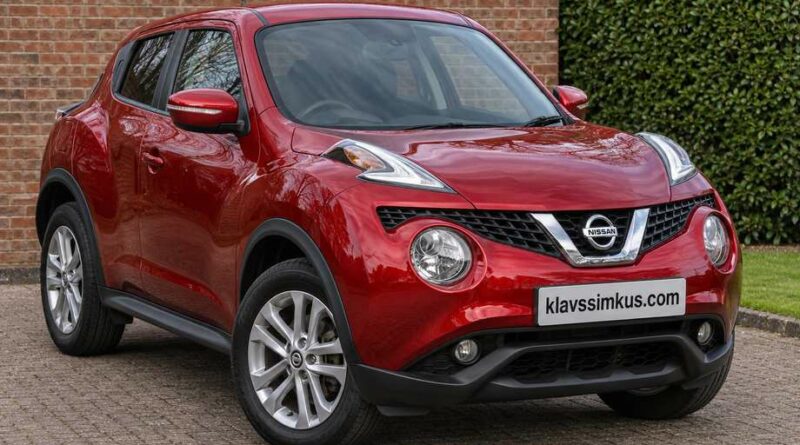
Nissan Juke problems: used petrol and hybrid checks
I would start a used Nissan Juke viewing by finding out which engine and gearbox the car has. A first-generation 1.2 DIG-T with a manual gearbox, a 1.6 with Xtronic and a newer Juke Hybrid can all sit together in search results. The checks I make on one will not answer every question about the others. The right car for me would have a documented service history, clean running from cold and an uneventful test drive once warm.
Ask for the registration, VIN and exact powertrain before travelling, and tell the seller you want to see it from cold. A low mileage is only one part of the decision. I would rather have a clear explanation of oil use, any work on the gearbox and the condition of the brakes and tyres than rely on the number in the advert.
Identify the generation and check for recalls
Nissan’s original UK Juke launch information shows first-generation F15 variants with 1.6 petrol, 1.6 DIG-T turbo petrol and 1.5 dCi diesel engines, and manual and Xtronic transmissions on different versions. Nissan introduced the 1.2 DIG-T turbo petrol with the 2014 facelift. Ask for the exact engine, drive type and transmission. Trim names and badging cannot identify every mechanical difference between the cars you see.
The second-generation Juke arrived in 2019 with the 1.0 DIG-T petrol and a manual or dual-clutch automatic depending on specification. The Juke Hybrid followed in 2022 with its own multi-mode transmission. Verify the build against the VIN and invoices. An automatic listing is not enough to identify a CVT, dual-clutch or hybrid gearbox.
Use the GOV.UK recall checker and Nissan’s recall guidance. Ask Nissan to confirm what is open and what has been completed for that VIN. If a campaign gives particular driving instructions, follow those before arranging a test. Use the MOT history to look for repeat tyre, brake or suspension advisories. See whether the seller can explain any unusual mileage changes or the work behind a later pass.
Check petrol oil history and diesel maintenance
On a 1.2 DIG-T, ask how much oil was added between services and whether that changed over time. Look for invoices recording the oil grade, mileage and any previous diagnosis of oil consumption or engine noise. Listen to the first cold start and pay attention to a persistent rattle or an unstable idle. A noise can have several sources, so I would have it investigated before assuming it needs a timing chain. If an oil-pressure warning stays on after starting or appears while driving, stop the engine safely and ask for an assessment. Do not treat the warning as a routine quirk.
Check the other petrol engines on their own history. Watch what happens as the engine warms, then try ordinary acceleration and a restart after a short stop. Ask about previous misfires, warning lights or coolant loss and get the dates and job details. Look at oil and coolant in line with the handbook when it is safe and never open a hot cooling system. If the 1.6 turbo has been modified, check what is installed, how it was mapped or serviced, and whether the insurer will cover it. An original car with complete records is easier to assess.
If you are looking at a 1.5 dCi, ask for a timing-belt invoice and check the schedule against the exact engine. On a car with a particulate filter, ask how it is used and whether there have been repeated warnings, reduced power or forced regenerations. Short journeys can limit opportunities for a filter to regenerate. Repeated warnings warrant a diagnosis even if the light was recently cleared. If the car has been warm by the time you arrive, ask to see another genuinely cold start before making a decision.
I would also check a replacement engine invoice carefully. Find out whether it identifies the engine fitted, when it went in and which existing parts were transferred. If the work was prompted by oil use, ask about the current rate of top-ups since the repair. If the seller says it never needs oil, compare that account with the maintenance records and the level on the day. A recently topped-up engine can still be losing oil. The useful evidence is the pattern over time and the findings of any diagnostic work.
Test each gearbox as a separate system
On an older Xtronic CVT, check forward and reverse at a standstill and how the car responds at parking speeds. Try gentle acceleration, then repeat a few slow manoeuvres warm. A CVT can hold engine speed relatively steady as the car accelerates. A long delay, persistent shudder, loss of drive or a pronounced whine under load needs investigation. Ask which fluid was used if the seller says the transmission was serviced. A dated invoice identifying the transmission and what was done gives a specialist more to work with than a service stamp.
On the newer petrol dual-clutch automatic, pay attention to how it takes up drive in traffic, reverse and a gentle incline where safe. Ask about previous software updates or clutch or actuator work if there is a recurring hesitation or warning. A repeatable problem needs a diagnosis. On a manual, check reverse from a standstill and use the lower gears normally. If engine speed rises without the expected increase in road speed, have possible clutch slip assessed. Note whether a noise changes when the clutch pedal moves.
Check the Juke Hybrid on a real drive
The Juke Hybrid uses petrol and electricity and does not plug in. Ask to see a normal cold power-up, a short drive in ordinary traffic and a warm restart. Notice the change between electric and engine-assisted running. Try braking progressively in a suitable place and confirm you are comfortable with the feel. Ask about previous powertrain messages, software campaigns or repairs. Persistent warnings, repeated poor transitions and reduced power need diagnosis before buying.
If the seller provides a battery result, check the VIN, date, mileage and what the test actually measured. A photo of the dashboard does not give you a battery assessment. If there is an unresolved high-voltage fault or damage near its protection, use a qualified workshop. If you are comparing a compact crossover from a different market, my Nissan Kicks import buying guide explains why its e-POWER and overseas petrol versions need their own checks.
Look at suspension, brakes and the cabin
Check all four tyres and their inside shoulders where you can see them. Ask what led to a single different or much newer tyre and check the fitted sizes and ratings. At low speed, listen for knocks over rough surfaces and through turns. Inspect accessible areas for damage, corrosion or leaks. A repeated clonk can come from several different joints or mounts, and tyre wear can reflect alignment, driving or worn components. Get a diagnosis before pricing a repair. On a clear road use the brakes normally and notice any pull, vibration or abnormal pedal feel.
Look for inconsistent panel gaps, broken fixings or overspray around bumpers and plastic trim. Ask for details of any previous repair, especially if it affected a camera or sensor mounting. Test the parking equipment where fitted while still checking directly for obstacles. Try both keys and the locks, display, phone connection, windows, fan and demist. Lift the boot floor and look for moisture. If the car has a sunroof, operate it and check the trim carefully for water marks. On older cars, a repeated leak deserves attention even when the carpet feels dry at the viewing.
Depending on the generation, the shape and equipment can make the car feel quite different when you park or load it. Put the driving seat where you actually need it and sit in the rear. Try getting a buggy or other bulky item through the boot aperture with the seller’s agreement. Try the reversing aids and make sure you can see enough around the car to park comfortably. I would repeat an intermittent electrical fault after a restart if the seller gives you time.
Which used Juke would I buy?
For short local journeys I would start with a petrol Juke that has consistent service records and a straightforward test drive. A diesel can fit longer trips if there is clear evidence of timely maintenance and no unresolved emissions problem. A hybrid makes sense when the history and drive are good and a workshop can support the car. I would judge the actual example on maintenance, tyres, warning lights and confirmed work rather than choosing an engine from the advert alone.
Set aside time and money for anything due, and get a written price for repairs identified on that vehicle. If the car repeatedly shudders, has evidence of a significant repair or has a warning the seller cannot explain, arrange an independent vehicle inspection before leaving a deposit. Follow it with a transmission or hybrid specialist assessment if the fault needs that equipment. A car worth buying should give you enough evidence to make the decision before you pay.