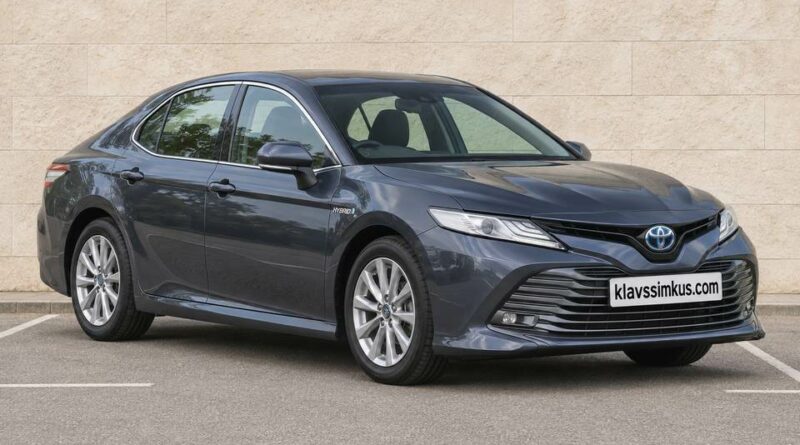
Toyota Camry Problems and Used Hybrid Buying Guide
When I inspect a used Toyota Camry, I start with the paperwork and the way the car feels when it slows to a stop. I want to know how it was used, which market it came from and whether the seller can explain any warning lights, cooling work or mileage gaps. A quiet cabin and an effortless drive are part of the appeal. I still want to see what is happening underneath and how the car behaves when it is fully warm.
Identify the UK Camry or import before viewing
Toyota’s UK archive records the return of the Camry in 2019 as an eighth-generation saloon, with a 2.5-litre hybrid powertrain and Design or Excel trim. If you are shopping from UK adverts, that is the starting point for understanding the equipment and maintenance history. Find the original invoice or get the build details against the VIN. A car’s registration year does not always tell you exactly when it was made or where it was first sold.
The Camry has been sold in many markets. You can find imports with different petrol engines, hybrids and gearbox arrangements. Toyota’s US Camry launch information identifies the 2025 model-year range there as a 2.5-litre full hybrid with front- or all-wheel drive. Earlier overseas cars can have a conventional stepped automatic. Confirm the engine, gearbox and drive layout before using a checklist or ordering parts. This is especially important when a seller describes the car only as a “Camry automatic”. For a very different Japanese-market luxury saloon, my Toyota Century import guide explains the V12 and hybrid versions and their specialist checks.
Hybrid battery, 12-volt battery and warning lights
For a hybrid, I want to see READY from cold. The petrol engine may stay off briefly once the car is ready to drive. If the car has needed a jump-start, ask how often and under what conditions. A weak 12-volt battery can prevent the system starting up. The traction battery that helps drive the car has a separate job. Toyota’s Help Centre explains the distinction. I would investigate repeated discharge or any start-up warnings, and ask a workshop to test the relevant system before quoting for a battery.
On the road I want smooth progress during gentle acceleration and in stop-start traffic. A battery gauge can move with speed, load, braking and heating demand. I treat it as context for the drive. For a hybrid warning or intermittent loss of power, I want a specialist’s dated findings and the conditions in which the symptom occurred. Check the battery cooling intake where accessible and ask about spills or previous work in that area. If a traction battery has been repaired, the invoice should show what was fitted and what support transfers with the car.
If the seller advertises Toyota warranty or extended hybrid battery cover, ask Toyota to confirm what applies to that VIN and the expiry date. I would get the service and inspection paperwork along with that confirmation. For comparison with a different Toyota hybrid or a plug-in, my Prius buying guide explains the checks I use for those models.
e-CVT and conventional automatic road checks
The 2.5 hybrid sold new in Britain uses an e-CVT. Engine speed can rise and hold during firm acceleration as road speed increases. I check whether it pulls cleanly and slows smoothly, with no loss of drive or warning lights. A shudder or whine warrants investigation, particularly when it repeats at a similar speed or load. Tyre noise on a rough surface can resemble driveline noise, so use a suitable drive and make a note of when it occurs.
On a petrol import with a stepped automatic, I check engagement of drive and reverse and the quality of shifts during ordinary driving. Try it warm as well as cold. Repeated harshness, a delay or a flare between changes is worth recording. If a dealer says a fluid service cured the fault, ask for the old diagnostic report, the invoice and evidence of a retest. A fluid service and a gearbox repair are different scopes. A garage needs to establish the exact gearbox and cause before quoting either.
Coolant loss, oil use and cold-start behaviour
Start with the engine cold and check accessible levels according to the handbook. Leave any hot coolant cap closed. I look for signs of leaks and ask if the owner regularly tops up oil or coolant. If you find staining or a low level, ask which circuit it relates to and how the cause was investigated. A hybrid can have separate cooling circuits. A generic invoice that says “water pump” may need clarification before you can understand exactly what was repaired.
I listen for a persistent misfire, unwanted noise or smoke when the engine starts and watch for warnings once warm. Ask about any recent overheating or low-power complaint. A seller’s account of a part being replaced tells you more when the paperwork also records the symptoms and diagnosis. On an older petrol Camry, I ask how much oil the owner uses between services and look for records that match that account. Significant consumption or repeated coolant loss deserves a test before buying.
Brakes, steering and suspension
During a normal test drive, I pay attention to pedal feel and whether the car tracks straight when braking. On the hybrid, I check how braking feels near the end of a gentle stop as the car blends its braking systems. Repeat vibration, pulling, grinding or a brake warning needs follow-up. I would use a lift to examine the inner as well as outer disc faces, the visible pads, pipes and the accessible suspension mounts. A glance through the wheel spokes gives only a partial view.
A Camry with mismatched or irregularly worn tyres deserves closer attention. Check the size, age and condition of all four. Look for wheel damage and ask whether there has been work after a kerb strike or pothole. On a level road check that steering responds consistently and the car does not wander. Uneven wear can point to a pressure, alignment or suspension issue. Ask the workshop what it found before paying for alignment or a steering component.
Fleet use, body condition and equipment
Some Camrys have seen intensive private-hire or fleet use. I check the service invoices against the odometer and the GOV.UK MOT history. Rear-seat and door wear, old equipment wiring and signs of repeated bumper repairs can help explain how the car was used. I lift the boot floor, look around the rear panel and sills, and check for water or poorly finished body repairs. Mileage on its own cannot tell you how often it was serviced or how previous work was done.
Try the reversing camera, parking aids, screen, both keys and all climate controls, including the rear vents. If a replaced windscreen or front bumper shows up in the bills, ask whether any camera or radar calibration was needed and completed. On an import, check the units on the instruments and any evidence of conversion, then try the radio, maps, phone connection and lighting on the actual car. The availability of connected features can vary with the original market.
Run the registration or VIN through Toyota UK’s recall checker. For a US car, use Toyota’s US VIN lookup as well. If any safety action is open, get written confirmation of who can carry it out and ask the seller to resolve it before purchase. For any import, compare the overseas title or registration and invoices with the V5C. Keep the units visible when comparing different mileage records. If you do not understand a gap, ask the seller to explain it with evidence.
Toyota Camry repair costs and my buying decision
I use estimates tied to the exact registration or VIN. A quote should set out parts, labour, VAT, diagnostics and calibration where these apply. If the car is an import, ask what is held locally, what needs ordering and whether a nearby garage can carry out the work. Include repairs due now and the next scheduled service when comparing asking prices.
- Hybrid or starting complaints. Identify which battery or control system is affected and check cover before agreeing a repair.
- Cooling faults. Ask which circuit is losing fluid and what tests located the leak or confirmed the failed part.
- Brakes and suspension. Confirm the affected axle, what is worn and whether the quote includes alignment or related fittings.
- Import electronics or glass. Confirm the correct specification, parts lead time and any programming or calibration required.
If comfort is the reason you are buying a Camry, take time to sit in both rows and drive it at your usual cruising speed. Check that the seat adjustment and heating work where fitted, then try the boot with the sort of bags you carry. I also ask to see the locking wheel nut key and any equipment supplied with the car. Check whether the insurer can quote on the exact variant if it came from abroad, and clarify glass and parts cover if that matters to how you will use it.
I would choose the Camry with credible records, consistent braking and a comfortable test drive from cold through to normal temperature. Unresolved coolant loss, hybrid warnings and a poorly explained overseas history can change the deal. If the car is far away or you want those points checked independently before paying a deposit, arrange a vehicle inspection.