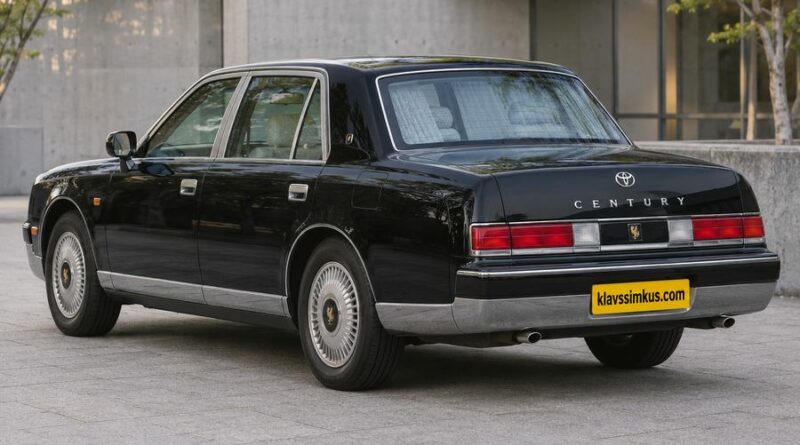
Toyota Century Problems and V12 or Hybrid Buying Guide
If I were buying a Toyota Century in Britain, I would plan the inspection around the generation, the rear cabin and the availability of parts. A quiet drive is a good beginning. I also want to see how it sits after standing, how the engine behaves from cold and whether the equipment that makes it a Century still works. An attractive purchase price can change quickly if a specific suspension unit, control module or piece of trim has to come from Japan.
Identify the V12, V8 hybrid or plug-in Century
Toyota’s Century model history starts with the original 1967 saloon. Its 1997 launch announcement identifies the second-generation saloon’s 5.0-litre 1GZ-FE V12. Later examples can have equipment or transmission changes, so check the model code and build details before sourcing parts. These cars need an approach suited to their age, mechanical layout and original specification.
The third-generation saloon introduced in 2018 uses a separate 5.0-litre V8 hybrid system. The taller new Century model unveiled in 2023 has a 3.5-litre V6 plug-in hybrid and E-Four Advanced. Do not apply the same gearbox, suspension or charging checks to all three. If you want a more familiar Toyota hybrid saloon for general use, my Camry Hybrid buying guide explains its UK specification and running checks.
Air suspension and ride height
I first look at the ride height on level ground, ideally before the car has been started or moved. Check whether one corner sits lower and look at the tyres for marks that suggest contact. If height control is fitted, demonstrate the normal modes in accordance with the handbook. I listen for prolonged or frequent compressor operation and ask whether the car has settled unevenly after standing. Record where and how quickly it drops if the seller can show it. A leak in a strut or line and a fault in a sensor, valve or compressor can require different work.
Toyota’s 2018 release identifies electronically controlled air suspension with adaptive damping on that saloon. Establish which hardware is fitted to your car before asking for a quote. Some older imports have been converted to different suspension. I ask who fitted it, whether warning systems were altered and how the car has been aligned. A replacement or conversion also affects how it rides and what the insurer needs to know. A properly scoped estimate should explain what testing was done and which parts are involved.
V12 engine, leaks and cooling checks
Ask the owner to leave the V12 cold. I watch how steadily it starts and settles and listen for a persistent misfire, unusual mechanical noise or noise that only appears as it warms. If the car has been stored, ask how it was started and serviced during that period. Look for maintenance bills with dates and parts listed. Annual distance can be low while fluids, hoses, seals and tyres continue to age.
Check accessible oil and coolant levels according to the handbook and keep hot coolant caps closed. I look for oil on the underside, evidence of coolant leaks and an account of any regular top-ups. Take the car through a warm drive and check heater output and the temperature display. If a warning appears or levels have been falling, ask a technician to identify the affected circuit and locate the cause. A leak from higher up can travel along a cover and drip somewhere else. Agree a diagnosis before pricing seals or major engine work.
On a conventional automatic, check engagement of drive and reverse and the quality of changes at low and moderate load after warming up. An occasional noise from the rear needs tracing before you put it down to the transmission. Prop shaft, mounts, tyres and other components may need checking. Ask about major fluid services and request the invoices for any work the seller says repaired a fault.
Hybrid and plug-in checks
On the V8 hybrid saloon, I check that it moves into READY, responds smoothly under normal acceleration and slows consistently. The 12-volt supply and high-voltage battery have different jobs. If it has needed repeated jump-starts or displays a warning, ask for a diagnosis of the affected system. A change on the energy monitor alone tells little about battery condition. Get a qualified technician to check any high-voltage complaint and request the test results and parts details if a battery has been repaired before.
For the 3.5-litre plug-in, ask for a charging demonstration with equipment you can use in Britain. Confirm the connector and cable requirements against the specific car. Inspect the accessible inlet, covers and cable for damage and ask about any charging or battery warnings. Get a proper battery assessment if the purchase depends on electric range. A short test drive and the range display give limited information about the behaviour under your own use. I also confirm who can service the plug-in system locally.
Rear seats, cabin equipment and body condition
Sit in the back and work through the controls the car actually has. Try seat adjustment, ventilation or heating where fitted, rear climate controls, blinds, soft-close equipment and any screen or entertainment system. I also check both keys, mirrors, windows, lights and any aftermarket multimedia. A repair can turn into a parts search if it involves a particular rear seat module, switch or piece of trim. Ask whether the seller has already looked for the correct part.
Look carefully at the condition of the interior fabric, trim and switches. Check for staining, damp and discolouration around the rear glass and boot. I inspect the sill edges, wheel arches and accessible seams for corrosion or repairs, then look underneath on a lift. Check the brake pipes, suspension mounts and underside condition as well as the outside finish. During ordinary braking, note vibration, pulling or noise. Older tyres can need attention even where the tread looks usable, so check the date and condition as well as the size.
Japanese history and UK parts support
Match the chassis number to the export papers and the V5C where already registered. Keep each mileage reading in its original units until you have compared the dates and any display conversion. Ask for original records of service, condition and previous damage. The GOV.UK MOT history can show what has been recorded since it arrived in Britain. If registration is pending, check the process and approval arrangements using the official vehicle import guidance.
Confirm recall and service campaign status with Toyota in the original market and ask for paperwork for completed jobs. If there is work open on the vehicle, establish who can arrange it here. Also ask an insurance provider for a quote on the exact car and any modifications. Check whether it can source the correct glass and body parts after damage. I would identify a garage with diagnostic and parts access before treating it as practical everyday transport.
Condition matters on a low-mileage Century
Ask how the car was stored and how regularly it was driven or serviced. If the mileage is low, look at time as well as distance on every invoice. Storage can leave old tyres, a tired battery, sticking brake components or leaks that were easy to miss when the car moved infrequently. If it has recently come out of storage, ask what was checked before the seller put it back into regular use. I would want an ordinary drive from cold through to full operating temperature, plus a lift check rather than relying on its appearance in photos.
Paint and trim deserve a slower look if originality is part of the appeal. Compare the panel finish and inspect accessible openings and seals. Ask to see photos and invoices from any paintwork or repairs. Where a rare trim piece or rear lamp is damaged, find out whether the correct part is available before the viewing turns into a negotiation. A cosmetically presentable replacement can still differ from the specification you wanted. Decide which original details matter to you and price that condition accordingly.
Toyota Century repair costs and what I would buy
Get written estimates for what has actually been diagnosed. Include parts, labour, VAT, overseas delivery and any programming or calibration. Ask whether a new, reconditioned or used part is available and what warranty applies. The lead time can be just as important as price if a damaged component leaves the car unusable.
- Suspension sag or inconsistent height. Ask for the leak or electrical fault to be identified, with the model-specific parts priced separately.
- V12 leak, overheating or idle fault. Get the results of the actual tests and check the availability of the right parts.
- Hybrid or plug-in warning. Find a suitably qualified specialist and confirm which system needs work before agreeing to a repair.
- Cabin equipment. Test the functions you care about while the seller is present, then price any confirmed faults before leaving a deposit.
I would choose the Century whose condition, service history and local support justify the purchase. If its paperwork leaves questions or you cannot assess the suspension, underside and rear cabin yourself, arrange a vehicle inspection before you commit.