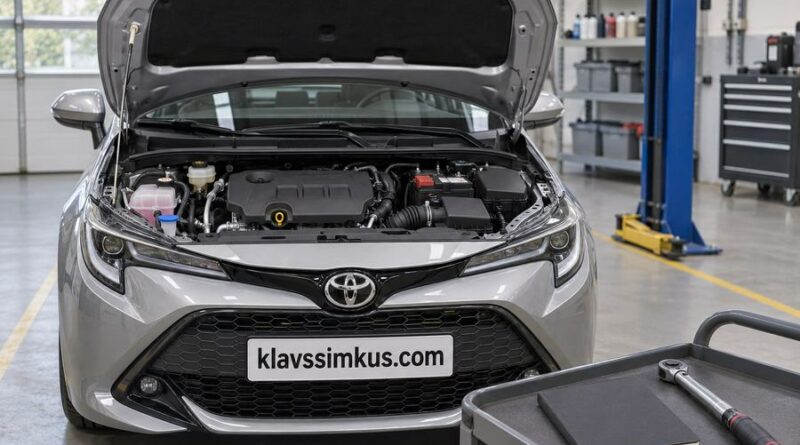
Toyota Service Schedule and Maintenance Guide UK
When I check a used Toyota’s service history, I put the dates and mileages side by side. The number of stamps is only part of the picture. I want to know whether each service was due on time or mileage, what work was done and whether important items are now due. Toyota’s usual service interval is a useful starting point. The exact engine, gearbox, age and original market determine the schedule I would use for a particular car.
How often should you service a Toyota in the UK?
Toyota UK’s servicing guidance gives a general recommendation of every 12 months or 10,000 miles, whichever comes first. Some vehicles have different service intervals, including specified 24-month or 20,000-mile schedules. Use the service and warranty booklet, digital records or written confirmation from Toyota for the car’s VIN. A model name alone can cover several engines or versions sold in different markets.
Here is how I read a 12-month or 10,000-mile interval. If the last service was at 40,000 miles, another 10,000 miles reaches the mileage limit at 50,000 miles even if a year has yet to pass. If you have driven 4,000 miles by the service anniversary, the time limit comes first. Record the date and mileage from the actual service, and ask your workshop to confirm the next due point when an earlier service was late or a task has its own schedule.
Toyota’s UK Yaris service history guide is a useful example of how an interval varies across engines and model years. The GR Yaris has a separate schedule and Toyota lists a six-month health check for that model in its servicing information. My GR Yaris buying guide shows the points I would look for when buying one used.
Intermediate and full service differences
I ask what is covered in each service for that exact vehicle. An intermediate service on most combustion models includes an oil and filter change and specified checks. A full service may add more inspection or replacement items according to the model and interval. The terms on an independent garage’s price list may describe a different scope. Ask for the scheduled tasks in writing when comparing quotes, including the grade and quantity of fluids where relevant.
Typical items worth checking in the schedule include brake fluid, engine and cabin filters, spark plugs, fuel filters, coolant and drive belts. Each has its own requirement, and some items are assessed on condition. The engine timing drive needs particular attention on an older Toyota. Find out whether it uses a belt or a chain and which maintenance applies. I would also check the transmission, transfer case and differential requirements on an automatic or four-wheel-drive car. One mileage figure across the range can lead you to the wrong service.
Petrol and diesel maintenance records
On a petrol Toyota, I check the last service for the correct oil specification and look for evidence that any major work was carried out with the right parts. Ask about top-ups between services, coolant loss and warning lights. If there has been a repair for rough running, the invoice should say what the garage found and what it replaced. A new service receipt gives a starting point for the next interval. A fault may still need diagnosis if the symptoms continue.
On a diesel, confirm the emissions equipment for the specific engine and market. A DPF warning, AdBlue system fault or repeated lack of power needs assessment beyond routine servicing. I would ask for the codes and diagnostic findings and check whether the diagnosis explains the actual symptom. Short journeys, towing and dusty operation can also change what a workshop recommends checking or how frequently it is due under the model’s maintenance guidance. Ask for the schedule that matches the way the car is used.
Hybrid, plug-in and electric Toyota servicing
A hybrid still has an engine with scheduled maintenance. The vehicle also has electric drive, a 12-volt supply and high-voltage components that need their own checks. I look for evidence of the specified service plus any relevant hybrid system reports. Where a hybrid battery intake is accessible, check that it is clear according to the handbook. Arrange any battery diagnosis or high-voltage work with a qualified technician. My Corolla Hybrid buying guide explains why I check the 12-volt and traction batteries separately.
For a plug-in or battery electric vehicle, I check the cable, charge port, service record and any warning history. A fully electric Toyota has its own routine maintenance, including checks of braking, tyres and other systems. Confirm the correct requirements and battery cover using information for that vehicle. Commercial electric vans may have different inspections and cover from passenger cars. A battery health report and a routine service invoice answer different questions, so see what was actually measured if the seller makes a claim about battery health.
Regeneration on hybrids and electric cars can handle part of the slowing. I still look carefully at conventional braking hardware and ask for a check of disc surfaces, pads and pipes where needed. A smooth test drive and the visible face of a disc provide only part of the evidence. The inner faces and less accessible components can tell a different story.
Toyota Service Activated Warranty and cover
Toyota UK’s warranty page explains that an eligible scheduled service at an authorised Toyota repairer can apply Service Activated Warranty. Eligibility for a new period of cover depends on age, mileage and the terms, including the servicing requirements. Toyota publishes a threshold of under ten years and under 100,000 miles at the eligible service in its current terms. Ask for the VIN-specific start and expiry details and check what that period covers, particularly if the car is close to a limit. Keep the invoice and written confirmation. My Toyota extended warranty guide covers eligibility, exclusions, battery cover and how to report a fault.
I check this separately from the original manufacturer’s warranty, a used-car warranty or any hybrid or electric battery cover. Each can have its own terms and exclusions. If there are earlier gaps or the car came from abroad, ask Toyota what applies before relying on a seller’s description. You can use the official price guide for context, then obtain an itemised quote for the exact service and any separately due work. Confirm the VAT position on commercial-vehicle quotes and ask what supporting records you will receive.
Checks between scheduled services
I keep a note of tyre pressures, warning messages and any fluid top-ups between services. Use the recommended pressures for the actual tyre sizes and loads and follow the handbook for level checks. Check the lights, washers and wipers before a longer journey. If you regularly tow or carry a heavy load, check that the tyre and vehicle limits match what you use. The service schedule sets out when routine work is due. A new warning, a change in brake feel or a repeated loss of fluid needs attention when it appears.
If the dashboard maintenance reminder conflicts with the records, find out when it was reset and what work was actually done. A reset has limited value without the invoice. When selling or passing a car to another driver, keep the record of the last job with the date, mileage and scope. Photographing or downloading digital records can help where access changes on transfer. I also keep repair findings alongside the service record. A dated note about a recurring symptom makes it easier to identify whether it was investigated and what the garage found.
After a recent service, ask which tasks remain due separately. A replacement tyre, brake repair, software campaign or fault diagnosis can have its own paperwork. I compare those documents before assuming the current owner has taken care of everything in the next year’s budget.
How I check a used Toyota’s service history
I compare the odometer with dated invoices and, where available, the GOV.UK MOT history. Then I ask what has been done beyond oil changes, especially if the next owner will face a major service. A stamped service book is more helpful alongside invoices describing the work. For a digital record, ask to see the date, description and recorded mileage. For imports, keep the original units beside each entry before comparing kilometres and miles. If you are preparing for a viewing, my used Toyota buying checklist brings the records, road test and model-specific checks together.
- Find the correct schedule using the VIN, engine and original market.
- Check which work was completed, when it was done and whether anything due was deferred.
- Read invoices covering major repairs and see what diagnosis led to the work.
- Ask Toyota to confirm any active warranty and use its recall checker where appropriate.
- Budget for the next service, any overdue work and the condition of tyres, brakes and related parts.
If there is a gap, I treat it as a question to investigate and price. A low mileage and a recent service leave the earlier history open. I would ask a workshop what work is needed to establish a sound starting point and check any warning or unexplained condition separately. If you are buying a used Toyota and cannot verify the history or inspect it yourself, a vehicle inspection can help you decide what to follow up before paying for the car.