Toyota Corolla Problems and Used Hybrid Buying Guide
When I check a used Toyota Corolla Hybrid, I want to see it enter READY from cold, drive quietly over a rough road and slow smoothly to a stop. I also want to see the service invoices and the inner faces of the brake discs. A short trip round the block and a dashboard with every warning light out can leave important questions unanswered. My guide focuses on the UK Corolla sold from 2019 and explains which checks I would add for an earlier car.
Which Corolla engine and body style are you buying?
Toyota’s UK model history confirms that the 2019 range included a 1.2-litre turbo petrol and 1.8- and 2.0-litre hybrids. Toyota dropped the 1.2 turbo for the 2020 UK range. If you are looking at an early registration, confirm which engine it has. Registration year can lag the build date. The later update introduced Toyota’s fifth-generation hybrid system. Check the generation and grade against Toyota’s UK Corolla archive and the documents for the exact car.
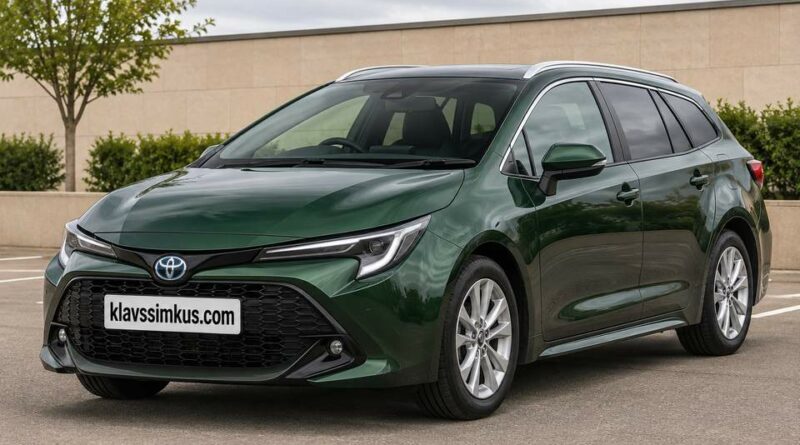
Hatchback, Touring Sports estate and saloon variants have different space and equipment. I take anything the car has to carry to the viewing. An estate is easier to assess with the load floor lifted, the rear seats folded and your usual luggage present. If the car is advertised as a crossover, check the model name. My Corolla Cross buying guide covers that separate model and the differences to check on imports.
12-volt battery and hybrid battery checks
Before a test drive, I ask whether the car has needed a jump-start, how long it has been standing and when the 12-volt battery was last tested. On a hybrid, the small battery powers the low-voltage systems and allows the car to start up in READY. A flat 12-volt battery can leave the car unable to do that. Toyota’s Help Centre explains that the 12-volt and high-voltage traction batteries do different jobs. If the car has needed repeated boosts, get a battery test and follow up the cause of the drain before assuming the issue has been fixed. For an older Toyota hybrid or a plug-in, my Toyota Prius buying guide covers inverter recall records, brake checks and charging.
Once it shows READY, the engine may still be off. I then want a drive that includes stop-start traffic, steady running and warm operation. A warning message, a pronounced shudder or a repeat loss of power is a reason to investigate. An indicated charge bar that moves during normal driving is a weak basis for judging battery health. The engine, heating demand and hybrid control strategy can change when it runs and how much electric assistance you see.
I ask for a recent hybrid system check and any relevant diagnostic results, especially if there has been a warning. Look for an unobstructed battery cooling intake where fitted and ask about pet hair, spills or work around the rear seats. Let a qualified technician handle high-voltage diagnosis. For an eligible UK car, confirm any current warranty or Hybrid Battery Extended Cover directly with Toyota using the VIN. Toyota’s hybrid ownership information sets out the available cover and conditions. I want written confirmation of what applies to the vehicle and when that cover expires.
Hybrid e-CVT and early petrol road tests
A Corolla Hybrid’s e-CVT uses an electrically controlled power-split system. Under firm acceleration the engine can settle at higher revs and hold them while the car gains speed. I look at whether it pulls cleanly and predictably. Grinding, a repeated shudder or a persistent warning needs diagnosis. I would record the speed and load where it happens, including whether the engine was cold or warm. A generic quote for a belt-type CVT repair tells me little about a fault on a hybrid e-CVT.
An early 1.2 turbo petrol car needs the checks appropriate to its own engine and gearbox. On a manual, I try the gears in ordinary driving and check for repeat hesitation, clutch judder or revs rising without a matching increase in road speed. From cold, I listen for uneven running and look for leaks. Ask whether the owner has had to add oil or coolant between services. An unfamiliar noise can have several causes. I would take a workshop’s measured findings over a guess based on how a brief video sounds.
Cooling, brakes, suspension and tyres
I look around visible cooling components with the engine cold and ask about low-coolant warnings, regular top-ups or pump work. Check the correct reservoir for the system you are looking at and follow the handbook. Never open a hot coolant cap. If a level is low or a warning has appeared, ask a garage to locate the loss before pricing a replacement pump. Good invoices should identify the actual circuit and part repaired.
Regenerative braking can handle part of the slowing on a hybrid. I still want the conventional brakes checked properly. On a lift I would look at the accessible inner and outer disc faces, pad condition and brake lines. A shiny outer surface can hide corrosion or uneven wear on the other side. During an insured road test, pay attention to repeat vibration, pulling or grinding under normal braking. Get a written finding if any of those symptoms appear.
A clunk on an uneven road could come from several suspension parts. Look at tyre wear across each tread, compare axle pairs and inspect the wheels for impact damage. If one edge has worn heavily, ask whether the seller had the alignment and suspension checked. I also listen for a speed-related hum that can change with the road surface. Different tyres, a damaged wheel or a bearing can all create noises a passenger might describe the same way.
Fleet history, electronics and bodywork
For a former fleet or private-hire car, I look at the complete use and service record. High mileage can be acceptable with clear invoices, regular servicing and a tidy structure. I take a closer look at the door shuts, rear seats and belts, boot floor and spare-wheel area. Touch-up paint, several replaced panels or a fresh set of seat covers are reasons to look carefully and ask about the work. I check for worn hinges, damp, old adhesive from equipment and unused wiring behind accessible trim. Ask whether any devices were removed when the car left service.
Pair your phone and test the camera, parking sensors, heating and air conditioning. Check the display for driver-assistance faults and ask for invoices if the windscreen or a bumper has been replaced. Depending on the job and specification, camera or radar calibration may be relevant. I would check Toyota’s UK recall service and the GOV.UK MOT history, then compare significant advisories with the evidence of work completed. On a vehicle that has needed tyres every year, find out which tyres and why.
Older Toyota Corolla checks
If you are buying a pre-2019 Corolla, verify the model and engine before ordering anything or relying on a servicing schedule. Age and history can make corrosion, brake pipes, water ingress and previous repair quality more significant than a low odometer reading. Check the jacking points, visible floors, mounting points and repair areas on a lift. Look for a pattern of repeat advisories and ask what was done. On an older petrol car, I would ask how much oil the owner adds between changes and inspect for leaks. On a diesel, confirm the emissions specification for the specific engine and market before applying a DPF checklist.
What affects Toyota Corolla repair costs?
I get quotes against the exact registration or VIN and make sure they describe the work needed. A battery test, brake job or air conditioning leak check has to be scoped before two prices can be compared. Ask for parts, labour, VAT and any programming or calibration to be set out. I would want the fault diagnosis in writing before treating several hundred pounds off the asking price as enough to deal with it.
- Weak 12-volt battery. Ask for the result of the battery test and whether the garage checked the charging supply or investigated a repeated drain.
- Hybrid warning. Confirm the diagnostic charge and what is included. Ask about cover before authorising repairs and get the findings before pricing a traction battery.
- Brake or suspension work. Confirm which axle, which parts and whether alignment or seized hardware could change the bill.
- Air conditioning. If cooling returns briefly after recharging and then disappears, ask for a leak investigation and an itemised quote for the part that needs attention.
At the viewing I also ask for both keys, the handbook and the latest service record. Check that each key unlocks the car and allows it to go into READY. If the service history is digital, ask the seller to show the dated entries and any separate invoices for repairs. I compare those with the MOT mileage and look for gaps in time as well as mileage. A low-mileage car can still have spent long periods standing or missed time-based work. My Toyota service schedule guide explains how I check intervals, overdue work and service-activated cover. Establish what falls due soon so you can compare two examples on the likely first-year cost.
The Corolla I would pick has records that match the mileage, a smooth test drive from cold, sound brakes and no unresolved warnings. I would put those things ahead of a particular trim. If the car is far away, has a hard-to-explain history or needs a proper look underneath, arrange a vehicle inspection before committing to it.