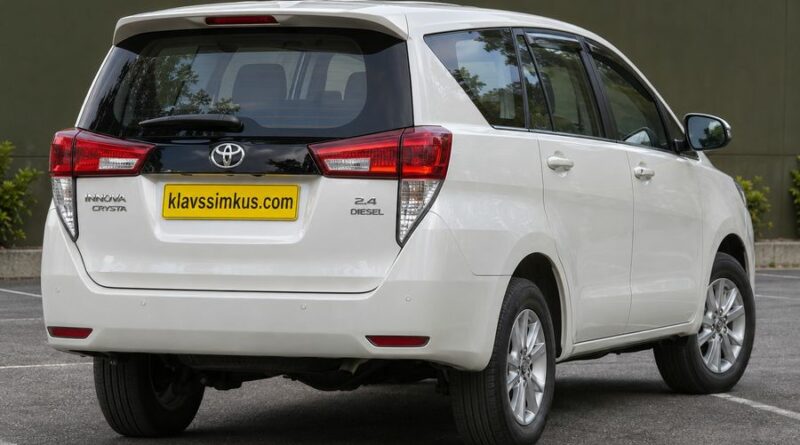
Toyota Innova Problems and Crysta or HyCross Buying Guide
If I were buying a Toyota Innova in the UK, I would ask for the exact model, original market and registration documents before booking a viewing. A Crysta diesel and a HyCross hybrid can do the same family job, but I check their engines, transmissions and undersides differently. I also want to know who can service the vehicle here and whether I can buy the right parts before its first big repair is due.
Innova Crysta, HyCross and Zenix specifications
Innova is a family of MPVs sold in several markets. If you need a smaller seven-seater, my Toyota Veloz import guide covers its 1.5 petrol CVT, cabin layout and brake campaign checks. The Indian-market Innova Crysta specifications include a 2.4-litre diesel and five-speed manual. Earlier versions and exports can differ. On a previous-generation or Crysta example with separate frame construction, I make time to inspect the frame and the areas where the body and suspension attach. Use the chassis or VIN and model code to confirm what you are considering.
For the newer Innova HyCross, Toyota India’s launch announcement describes a unitary body, a 2.0-litre petrol with Direct Shift CVT and a 2.0-litre full hybrid with e-drive. In Indonesia, Toyota’s Innova Zenix brochure also shows front-wheel-drive petrol CVT and hybrid e-CVT versions. Check the individual grade, build and seating layout. A seller may use the better-known model name even when the equipment came from another market.
If you are comparing other imported Toyota MPVs, my Previa and Estima buying guide covers the older UK car and Japanese-market alternative.
Crysta diesel cold start, injectors and turbo checks
I ask the seller to start the car from cold. I listen for an idle that fails to settle and check for persistent smoke or warnings. Get any previous no-start, rough running or loss-of-power report and ask what testing was done. Different problems in the intake, boost or fuel system can feel similar on a drive. A workshop should show the relevant codes and measured findings before suggesting a turbo or set of injectors.
Cooling deserves a separate check. Confirm the correct accessible levels with the engine cold and leave hot coolant caps closed. Look for staining, a history of top-ups or an invoice for previous overheating work. During a suitable insured drive I want to see consistent behaviour fully warm, and I check that the heater works. Coolant that keeps disappearing needs a traced cause, particularly if the car has been used for long journeys with all seats occupied.
Ask about service intervals, fuel-filter work and the exact oil used. Identify the emissions equipment by engine and market before applying a DPF or AdBlue checklist. If the owner says a warning was cleared, get the actual message and repair history. I want to know whether the underlying problem was diagnosed and if the warning returned after the work.
Manual, conventional CVT and hybrid road tests
On a manual, I check the clutch take-up, how the gears engage and whether things change as it warms. With ordinary acceleration in gear, revs rising ahead of speed can be a sign of clutch slip. A repeat judder or knock can also involve mounts, driveline components or the clutch assembly. Give the garage the conditions in which it happens and ask which tests identify the cause before pricing repairs.
In the petrol HyCross or Zenix CVT, I check engagement of drive and reverse and how steadily the car pulls under light and moderate load. An engine that holds its revs while speed rises can be part of normal CVT operation. Repeat delay, a pronounced shudder or a warning needs separate investigation. On a hybrid, check that the car enters READY promptly and delivers power and braking smoothly. Ask about recent jump-starts and check the 12-volt supply if there are starting complaints. A high-voltage warning needs a qualified technician to assess the correct system.
If the hybrid battery has been repaired or replaced, get the invoice, the diagnostic report and details of any transferable cover. A battery gauge can change with use and temperature. It gives you context during the drive, while a proper battery assessment gives you evidence about condition. I would confirm whether any manufacturer support applies in Britain against the vehicle’s VIN and country of first supply.
Underbody, suspension and seating checks
Look underneath on a workshop lift. On a frame-based model, check rails, crossmembers, body mounts and suspension points. On a more recent unitary-body model, inspect the sills, floors, subframes and mounting areas. On either one, look for damage, corrosion, poor welding or thick coating applied over a rough surface. A vehicle can look tidy outside and still have had a heavily loaded working life. Ask what it carried and look under the boot floor for previous impacts or damp.
Check tyres across their width and listen for repeat knocks at low speed over uneven roads. Uneven wear could reflect tyre pressure, alignment or a suspension fault. Check that it brakes consistently without pulling or repeat vibration. I would get the braking and suspension areas properly checked if you see irregular wear, leaking dampers or visible damage. On an older import, it is also worth confirming which parts are stocked locally before negotiating a repair allowance.
Try the exact second- and third-row seat layout. See how each seat folds and latches, check the belts and buckles and use the handbook to confirm the positions for your child seats. Bring your regular luggage and check it fits with the seats in use. I also run the rear air conditioning and test the vents from the seats passengers will use. Get any electrical or rear climate complaint investigated before assuming it is a recharge or a simple switch.
What I check in the UK import paperwork
Compare the VIN or chassis number, original registration and service records with the V5C if the Innova is registered here. Keep every mileage entry in its original units until it can be reconciled. Ask about any instrument or lighting conversion and look for paperwork and tidy installation. Use GOV.UK MOT history for the British entries, then check the earlier records from the original market. Where registration is pending, read the official import guidance and get written confirmation of the approval route before committing.
Check recall status with Toyota in the country the vehicle came from. A model sharing a badge with another country’s version can have different equipment and campaign coverage. If a seller says the work was completed, ask for the VIN, date and campaign reference on a dealer record. If it is open, establish how the repair can be carried out after import. I also want to see any previous collision or flood history and records for work on restraints or cameras after a repair.
Pair your phone and try the navigation, radio, cameras and any driver-assistance equipment you rely on. Check the headlamp and fog lamp functions and use both keys. Regional maps, connected services and software can differ. If the windscreen or bumper was replaced, ask whether camera or radar calibration was needed and request the paperwork. Try the car in an ordinary parking space to make sure the viewing experience matches how you will use it.
Questions about former commercial or family use
Ask how many people the car regularly carried and whether it spent time in taxi, shuttle or fleet service. I compare the dates and readings on service records with the wear I can see on rear seat belts, door latches, hinges and the load area. If equipment was removed before export, look for unused brackets, wiring or holes where water could enter. On a former shuttle car, verify that all seats and restraints are present and correctly attached. Ask where routine servicing was carried out and whether the original workshop can explain any unclear invoice. A high reading with clear records can be easier to assess than an apparently low figure whose history starts when the car arrived in Britain. I also try both keys and the remote functions at the viewing.
Toyota Innova repair costs and buying decision
Ask a local workshop to quote against the exact VIN or chassis number. Separate diagnosis, parts, labour, delivery and calibration where relevant. Clarify whether the garage can get the correct lamps, glass, suspension and electronic parts for the original market. A vehicle used daily may be a poor fit if an ordinary repair would leave it waiting weeks for parts. Ask your insurer about the exact variant and any changes declared by the seller.
- Diesel warning or low power. Ask which tests established the cause and whether the required parts are available.
- Hybrid or transmission fault. Request the findings for the specific system, plus any applicable warranty or support.
- Body and suspension damage. Get dated photos, a lift inspection and an itemised estimate for the confirmed work.
- Import paperwork gap. Verify the original registration, readings and UK conversion before paying a deposit.
I would choose the Innova with a credible history, sound structure, usable third row and a local plan for maintenance. If its origin, mileage or condition is difficult to verify at a viewing, an independent vehicle inspection can help you decide what to investigate before you buy.