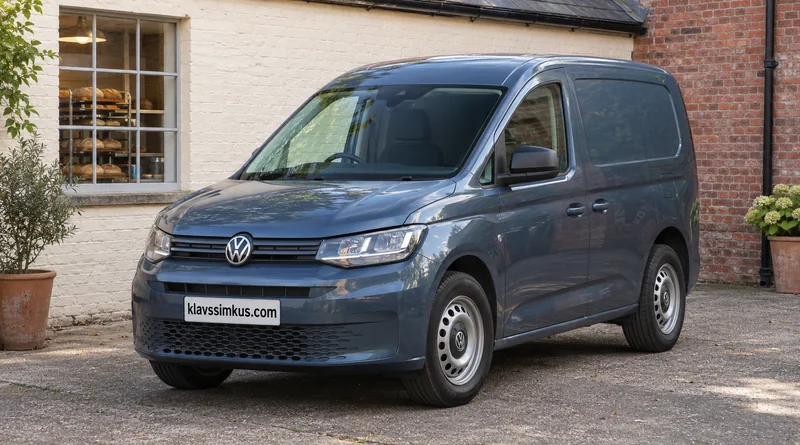
VW Caddy Problems and UK Used Van Buying Checks
The VW Caddy problems I would investigate first are an unexplained emissions warning, difficult gear selection, missing timing service evidence and water or damage in the load area. If the Caddy is an eHybrid, check that it charges and that the hybrid system works during a normal demonstration. The name covers generations of vans, passenger models and conversions. Start with the VIN, engine code and body configuration so you are checking the right service records and pricing work for the actual vehicle.
Identify the Caddy generation, engine and body
The 2010 to 2015 Caddy specification guide shows 1.6 and 2.0 TDI options in that period. Earlier examples may have a 1.9 TDI, and the RAC’s 2015 to 2020 guide describes the updated range and its Euro 6 engines. Do not assume registration year alone identifies the engine around either change. Ask the seller for the build information, especially if the van has had an engine or gearbox replacement. Match the invoices to the physical vehicle and the correct running gear before ordering parts.
The later UK Caddy Cargo brochure lists examples of manual and DSG powertrains and the 1.5 TSI eHybrid. The Caddy Life brochure describes the passenger version. Confirm whether you are looking at Cargo, Life or a conversion, and whether it is the standard length or a Maxi. A small commercial van and a people carrier may share an engine while having different seat arrangements, payload and body equipment.
Check diesel starting, emissions and fluid history
Ask the seller to leave the engine cold. I would observe how quickly it starts, how smoothly it idles and whether warnings clear or reappear. Ask what the owner normally uses the Caddy for and when any loss of power or smoke occurs. A fault only noticeable on a warm engine or while pulling away can be difficult to reproduce on a quick forecourt drive. If the seller has a diagnosis, read the workshop findings and confirm when it last repeated the test.
Check whether a diesel particulate filter or AdBlue system is fitted to the exact build. Volkswagen’s diesel particulate filter warning guidance sets out how it treats that warning. Use the correct handbook and ask a garage to investigate a repeat warning. A regeneration or topping up AdBlue does not explain the cause of a warning that returns. If a no-start countdown is present, have it assessed before depending on the van. Compare any service invoice or recorded faults with what it does on a normal drive.
Check the cambelt and gearbox records against the VIN
For applicable belt-driven engines, ask the workshop to confirm the timing service interval and scope using the engine code and VIN. Use Volkswagen’s owner’s manual service for the correct handbook. A number quoted for another Caddy engine or an invoice for an auxiliary belt may not help. If there is evidence of recent belt replacement, check the date, mileage and parts used. Ask what else was inspected when the work was done. If the history is incomplete, get a proper estimate for the exact engine rather than accepting an interval quoted by a seller.
With permission and where safe, I would try ordinary manual shift and clutch take-up or assess engagement of Drive and Reverse on an automatic. Then observe normal changes once warm. Note a hesitation or shudder and the speed, gear and conditions in which it occurs. A DSG service invoice should identify the correct gearbox and what the job covered. Some noise or vibration may come from a wheel or driveline component. Ask a technician to establish the source and whether the warning or symptom can be repeated before you order parts or price a replacement gearbox.
Assess the eHybrid separately
Confirm that the car is the plug-in Caddy eHybrid and ask for the cable and charging history. If practical, see it start a charge and have the seller demonstrate the ordinary drive modes. If it has failed to charge, ask which machines or cables have been tried and what was displayed. A successful short charging session can show whether that setup worked at the time. A battery condition assessment requires suitable equipment, and the instrument display’s remaining distance is an estimate. Ask which warranties apply and which workshops can assess the hybrid system.
Inspect the visible underside and watch for previous damage near the battery enclosure. If there is a reason to suspect damage or an active warning, arrange a qualified specialist rather than relying on a normal forecourt check. Confirm how the Caddy will be used and charged and whether that fits your normal route. Ask how software updates and any earlier charging repairs were recorded. If the previous driver rarely used a charger, find out whether the seller has tested it before selling the vehicle.
Inspect the sliding doors, load area and rear suspension
Try all sliding and rear doors and inspect the rollers, latches, hinges and seals. Look for damage near the thresholds and across the floor. Dirt or moisture under accessible covers or lining can help direct a closer inspection. Ask the seller what the Caddy carried, who fitted any shelf or lining and whether it can be removed safely. In a passenger or converted vehicle, verify the permitted seating and the documented installation. Confirm the actual space, door access and weights before you rely on someone else’s stated payload.
Check visible sills, jacking areas and suspension mountings with safe access, and inspect the tyres across their tread. If the inside shoulders are badly worn, ask for a check of suspension play, damage and alignment. Use the GOV.UK MOT history to look for repeat tyre, brake or suspension findings and check which work was carried out. If the van has had a loading impact or a previous rear-end repair, ask for the photographs and invoices and check that the doors, latches and any sensors work as intended.
Check daily-use features and outstanding work
In the cab I would try both keys, the heating and air conditioning, the windows, parking sensors or camera and the instrument display. On a van with extra wiring, ask who installed it and what documentation comes with the vehicle. If a windscreen, front bumper or camera has been replaced, ask which tests or calibration the workshop carried out. If you plan to turn the Caddy into a small camper, compare its condition and weights with the conversion design. Installation records can matter more than the appearance of a tidy cabin.
- Identity. Confirm the VIN, engine, gearbox, seating and weight data. Get the UK recall status and any dealer records for completed campaigns.
- Service history. Check what is due by mileage and date, with separate evidence for timing or gearbox work where relevant.
- Repair scope. Ask for parts, labour and VAT, and price unresolved diagnosis separately.
- Handover. Confirm keys, cables or equipment, what repairs are agreed and how you will see the result.
If you want a vehicle inspection, send the advert, VIN, invoices and warning details before booking. Agree which parts of the inspection can take place on site and make workshop arrangements for specialist tests. If you need a smaller alternative to a medium van, my VW Transporter buying guide covers the Transporter separately. I would compare the confirmed condition, the useful space and the work each vehicle needs before choosing between them.
If this Caddy needs to go into service immediately, ask when the last service and road test took place and when a garage could book the work you identify. Confirm which parts are available and how the seller will document any repair agreed before handover. A cheap purchase can work if the faults are understood and the downtime fits your plans. A recurring warning without a confirmed cause should stay visible as a separate item in the budget.
Check access, servicing and what the seller will demonstrate
If you use the Caddy for deliveries, test opening the doors in a space similar to the one you normally have. Check load length and measure across the narrowest point, particularly if you are comparing the standard van with a Maxi. Ask how the bulkhead or load accessories are secured. In a Life or camper version, try the seat arrangement and check the space that remains with the seats in use. A seller’s measurement can be accurate for an empty van and still say little about the fitted configuration you need.
Ask for records of time spent standing, fleet use or repeat work on the same system. Look at what was done during the last service and whether any work remains due by date. If the invoice has a recommendation beside a service entry, ask the garage whether that item was completed separately. Note a reported oil or coolant top-up, find out whether it has continued and request an assessment if there is a warning or an unexplained leak. A short demonstration gives you one observation, while the invoices can show whether the concern has returned over time.
Before committing, have the seller state which faults will be investigated, what work will be completed and which paperwork you will receive. If a repair involves parts with a long lead time, agree when the vehicle will be ready and how to check the result.