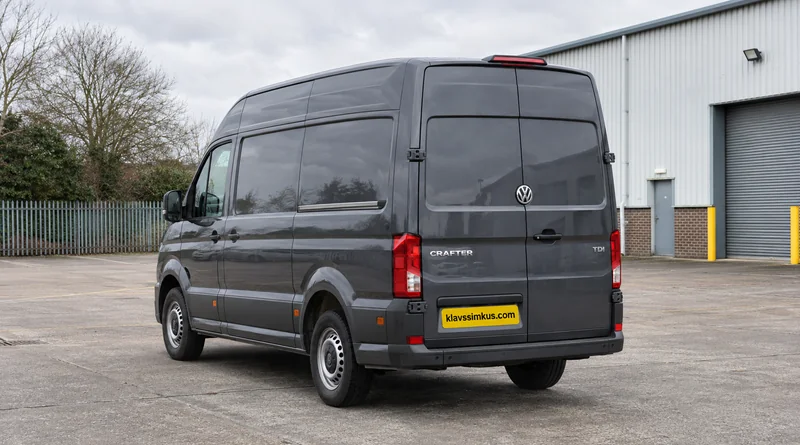
VW Crafter Problems and UK Used Van Buying Checks
The VW Crafter problems I would investigate first are an unexplained diesel emissions warning, poor gear selection, water getting into the load area, and damage around the suspension and body mountings. On a camper or specialist conversion, I would also verify the weight and the equipment installed. A low-mileage Crafter can still have spent time idling or carrying heavy loads. Start with the VIN, engine code and weight plates, then compare the service and repair records with the condition of the individual van.
Identify the Crafter generation and the exact drivetrain
Volkswagen’s history of the original Crafter records the first model’s launch in 2006. The first-generation review describes the 2011 facelift and engine changes. Earlier examples can have a 2.5 TDI, while the facelift range introduced 2.0 TDI engines. Volkswagen presented the second-generation Crafter in 2016 for the later model range. It uses a different design, so confirm the build when registration and generation are unclear.
The UK Crafter panel van brochure sets out later options, including front-wheel drive, rear-wheel drive or 4MOTION and manual or automatic gearboxes depending on version. Ask the seller to identify the fitted drivetrain and any factory or aftermarket body. If an invoice refers to a different drivetrain, check whether it applies to the same vehicle. Ordering a component by engine capacity and approximate age alone is especially risky when the work concerns brakes, driveline or emissions equipment.
Start the diesel cold and record the warning history
Arrange to see the first start and observe cranking, idle and the instrument display. Ask whether the van has ever lost power or displayed a warning once warm or under load. If it has, request the fault record and the checks performed. A turbo sound, smoke or poor running can have several causes. Ask a technician to identify the source before accepting a price for injectors, a turbocharger or other parts. If there is a red temperature or oil pressure warning, end the demonstration safely and have the cause investigated.
For vans equipped with a particulate filter, use Volkswagen’s DPF warning guidance and the actual handbook before acting on a message. Check whether the model has AdBlue and what the display has said, including any restart countdown. A refill, filter replacement or regeneration in the history leaves the question of why the fault appeared. Ask for the results of previous repairs. If the warning repeats, get a proper diagnosis and find out what conditions the workshop needs to reproduce it.
Test the gearbox, clutch and driveline in normal use
Confirm the transmission before viewing. On a manual, check normal clutch take-up and the feel of ordinary shifts when cold and warm. On an automatic, observe selection of Drive and Reverse and ordinary changes once warm. If there is a whine, jerk or repeated vibration, record when it occurs and whether it changes when lifting off. A tyre, wheel bearing, mounting or driveshaft could be involved as well as the gearbox. A road test helps describe the symptoms and gives the workshop a better basis to decide what to check next.
Compare timing and transmission maintenance records with the right handbook for the VIN and ask a Van Centre to confirm the detailed intervals. A timing service on a different engine does not tell you what is needed on this van. Check whether a past invoice describes the correct gearbox or indicates extra drive system work where applicable. Ask the garage to explain the diagnosis and what it will check after the repair. Test the brakes and steering only in safe conditions and arrange an assessment if a serious warning is active.
Look for damage, water ingress and evidence of heavy work
I would inspect the roof, visible underbody, steps, sills and mounting areas. Look for scrape marks, impact damage or corrosion, and ask about fresh underseal or repair paint. Check the sliding and rear doors, including the hinges, runners, latches and seals. Inside the van, lift accessible loose mats or floor coverings with permission and look for damp, staining and rough repairs. If the van carried heavy tools or materials, check the floor and securing points and find out how the load was normally carried.
Check the GOV.UK MOT history or the relevant test records for the specific vehicle. Look for recurring advisories around brakes, tyres, suspension or corrosion and match them with invoices. Inspect tyres across the width and, where fitted, between twin wheels when it can be done safely. If you see uneven wear or evidence of impacts, ask the workshop to assess the alignment, rims and mounting points. A van that looks smart outside can still need work in areas hidden by load lining or undertrays.
Verify the plated weights and camper or work conversion
The Volkswagen dimensions and weights page gives figures for particular models. Check the plates and axle limits on the van itself. A conversion, tools, people and equipment use part of the available payload. A weighbridge reading in a known loading condition gives you stronger evidence than a quoted maximum from a brochure. If using the van commercially, check the GOV.UK operator guidance and any applicable testing or driving requirements for the actual weights and intended operation.
For a camper, look for moisture around any roof or side windows and ask for the installation file, including electrical, seating and any heating equipment. Have a suitably qualified person check installations that are outside a vehicle inspection. For a work conversion, check the bodybuilder’s plate and the records for load restraints, lifting equipment or other fitted items. If the vehicle has a specialist body, compare the cost and downtime of work on the van with any work on the body. That gives a better picture of when it can go back into service.
Build a repair budget from documented work
- Identity and campaigns. Check the VIN and UK recall status and obtain any dealer completion records.
- Condition and service. Ask for the next service and confirmed work in writing. Verify the gearbox, body and specified parts.
- Repairs and diagnostics. Get labour, parts and VAT itemised. Ask how unresolved warnings or inaccessible damage will be assessed.
- Handover. Check both keys, equipment, conversion records and how any promised repair will be verified.
If you need a vehicle inspection, send the advert, records and intended load before the viewing. Agree whether lift access or a specialist assessment is needed. If a medium van would be easier to live with, my VW Transporter buying guide covers that model separately. I would compare a Crafter’s documented condition, usable space and likely time out of service before deciding which van offers better value.
Match the cab, equipment and service history to the job
The 2024 Crafter update report describes changes to the interior and equipment on later vehicles. At a viewing, check the actual instruments, mirrors, display, lights, parking aids and driver-assistance functions on the build in front of you. Ask if a windscreen, mirror, bumper or camera was changed and whether the workshop documented any calibration. A recent replacement invoice may be complete for the part itself and say nothing about setup. Test the seats, heater, keys and the controls you will use on every shift. If the van has its own electrical installation, check the paperwork and who can service it.
Ask how the van was used between services. Work involving frequent starts, idling or short journeys can leave a different history from regular motorway runs, even with similar mileage. Look for repeat battery, brake and warning-light entries and ask whether they were repaired or simply checked. Compare service dates and what is approaching by time as well as mileage. If the seller says it has been maintained on a contract, ask for actual job sheets before relying on a broad service summary. A record of the operations helps establish what has been done and which items are due.
Check whether the van can go straight to work
Measure the roof height, door opening and usable floor area against the places and loads you need to deal with. Include additional equipment or a roof rack when thinking about access. Confirm that any bulkhead, lining and securing points are usable and suitable for the items you carry. If a proposed repair affects payload, loading or the use of a tail lift, check who can inspect the equipment and how soon the parts can be supplied. Ask the seller to demonstrate the relevant function safely and confirm which documents will come with the vehicle.
I would list what must be completed before the van goes on the road, what can wait until its next service, and what still needs an examination. Ask how long a workshop expects the confirmed work to take, particularly if you need the vehicle for a booked job. If the dealer offers repairs, specify what is included and ask how the result can be checked prior to handover. That makes it easier to compare two vans with different uses, mileages and repair histories while keeping the cost of uncertain work visible.
If you are comparing a Crafter with the earlier large Volkswagen van, my VW LT buying guide covers the LT’s corrosion, diesel and conversion checks.